

Introduction
The non-oil private sector in the United Arab Emirates (UAE) surged in November 2025, with activity expanding at its fastest pace in 11 months. According to the latest S&P Global Purchasing Managers’ Index (PMI), improving demand conditions, a healthy sales pipeline and increased hiring fueled growth across multiple sectors.
A PMI reading above 50 signals expansion — and at 54.8 in November, the UAE’s non-oil sector demonstrated robust momentum, raising optimism for the wider economy.
What the Numbers Show — Key Findings
The seasonally adjusted PMI rose to 54.8 in November, up from 53.8 in October.
This marks the strongest output growth in nearly a year, well above the long-term average PMI benchmark of ~54.3.
New business volumes climbed sharply — the new orders sub-index rose to 57.4, the fastest growth since January.
Employment expanded significantly: firms increased hiring to meet demand, representing the fastest job growth in 18 months.
Meanwhile, input costs — including wages and operating expenses — increased at their steepest pace in 14 months, reflecting rising cost-of-living pressures and skill shortages.
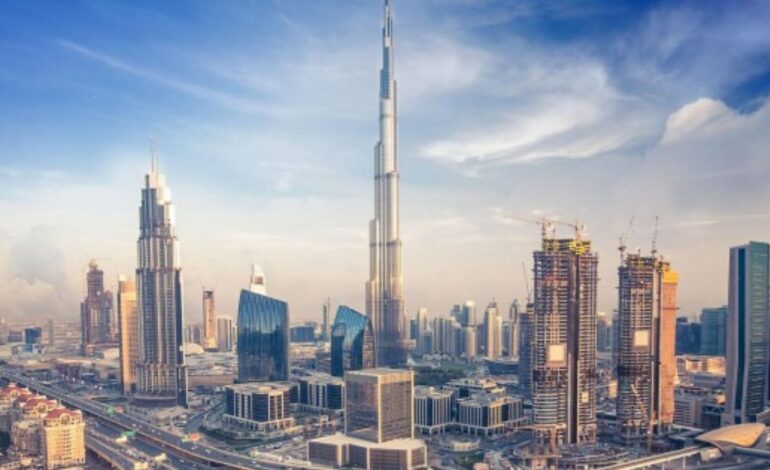
In the Emirate of Dubai, the PMI held at 54.5, signaling strong business activity and rising employment, in line with overall national trends.
Why It Matters — Broader Significance for the UAE Economy
Non-oil Sector Strength Reinforces Economic Diversification
The non-oil private sector is a key pillar of the UAE’s strategy to reduce dependence on hydrocarbons. This surge in PMI suggests growing strength across services, manufacturing, retail, construction and other non-oil segments — bolstering economic resilience and diversification.
Employment Boost & Rising Business Confidence
Strong hiring reflects renewed business confidence. As firms expand staff to meet demand, this could translate into improved household income, consumption, and domestic economic activity — supporting long-term growth prospects.
Positive Sign for Investors & Enterprises
Steady growth and rising orders make the UAE an attractive destination for investors and businesses, both domestic and international. For companies eyeing expansion, the momentum offers opportunities across sectors.
Rising Costs — A Potential Headwind
The sharp rise in input costs, particularly wages, might pressure margins and could lead to inflation. Companies may pass on higher costs to consumers, which could affect price stability if not managed carefully.
What to Watch — Risks & Future Considerations
Sustaining growth momentum:
With global economic uncertainties, the UAE must ensure demand remains strong, especially for export-oriented sectors.
Controlling inflationary pressures:
As input costs rise, firms and policymakers will need to balance growth with cost control and avoid downstream inflation.
Labour market dynamics:
Continued hiring is good, but skill shortages and wage pressure must be managed with training, productivity improvements, and long-term workforce planning.
Investment and credit cycle:
If growth stays robust, demand for credit, capital expenditure, and infrastructure could increase — but funding and interest-rate trends need monitoring.
Conclusion
The November 2025 PMI data for the UAE’s non-oil private sector paints an encouraging picture — robust demand, renewed hiring, and upbeat business sentiment. The 54.8 reading suggests that diversification efforts are bearing fruit, and firms are adapting well to changing economic conditions
However, rising input and wage costs remind us that growth comes with trade-offs. As the UAE moves forward, balancing expansion with inflation control and sustainable investment will be key to preserving momentum and ensuring long-term stability.






1 Comment
[…] oil-dependent models, the UAE now shows strong performance in sectors like trade, tourism, real estate, technology and […]
Comments are closed.