
Dubai Flights Hit by UAE Storms, Causing Widespread Delays
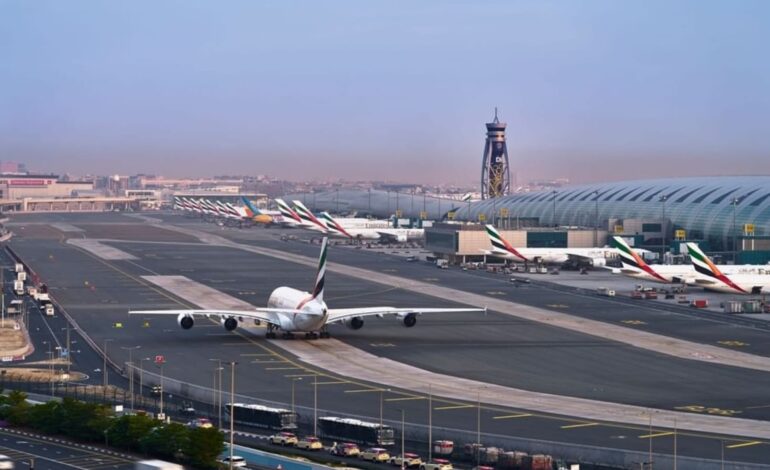

Travel disruption hit Dubai’s airports as severe stormy weather swept across the United Arab Emirates, causing flight cancellations and delays. Gusty winds rain showers and thunderstorm activity led to operational challenges at Dubai International Airport, one of the world’s busiest aviation hubs. The storms not only affected departures and arrivals but also created knock-on effects on airline schedules and connections for passengers traveling through the UAE.
The National Centre of Meteorology issued weather alerts warning of unstable conditions over several days. Meteorologists highlighted the potential for rain, lightning, and reduced visibility, contributing to the airport disruptions and prompting airlines to adjust their schedules or cancel flights entirely. Passengers have been encouraged to stay updated on flight status alerts and follow airline guidance to manage their travel plans effectively.
This article unpacks the latest situation on flight cancellations and delays in Dubai explains why weather conditions have such a strong impact on air travel and offers advice for travelers navigating disruption.
Stormy Weather and Its Effect on Flights
Storms can wreak havoc on aviation operations. Strong winds, heavy rain and lightning pose safety risks for aircraft on the ground and in the air. Airports often operate with reduced capacity during extreme weather to protect passengers, crew and ground personnel.
In Dubai, rain and thunderstorms affected visibility and runway conditions at Dubai International Airport. Takeoffs and landings were temporarily paused or slowed down to ensure safety. Some airlines proactively cancelled flights in anticipation of worsening conditions while others experienced delays as rain intensity increased and air traffic control implemented spacing between aircraft movements.
Flights heading to and from Dubai saw changes in their timetables. Some outbound departures were postponed until weather conditions improved while several inbound flights circled the airport or diverted to alternative airports before eventually returning or disembarking passengers later in the day.
How Worsening Weather Impacts Aviation Safety
Aircraft operations are extremely sensitive to environmental conditions. When heavy rain saturates runways the risk of hydroplaning increases. Hydroplaning occurs when a layer of water sets between the tires and runway surface, reducing friction and braking efficiency. This requires pilots and airport authorities to make real time decisions about whether it is safe to operate flights.
Lightning can endanger ground crews working refueling, boarding and cargo operations. Airports may temporarily halt ramp activities when lightning strikes occur nearby. Strong winds can affect aircraft stability during takeoff or landing so pilots must delay or adjust approaches until winds fall within acceptable limits.
Air traffic controllers may also space flights further apart during unstable weather to maintain safe separation, contributing to delays across the network. These safety considerations are essential to protect passengers and maintain operational integrity.
Overview of Affected Flights and Passenger Experience
Several flights were cancelled or delayed during the storm period. Both international and domestic services were affected, impacting travelers within the UAE and those connecting to destinations in Europe Asia Africa and the Americas.
Passengers have shared accounts of long wait times at airport terminals adjustments to travel itineraries and sudden changes in departure gates or boarding times. Many travelers received notifications from airlines about altered flight statuses or instructions to check in earlier than planned to allow for changes in operations due to the weather.
Airport lounges, baggage claim areas and customer service desks experienced higher traffic as travelers sought updates and assistance while flights were rescheduled or rebooked onto alternative services. Assistance from airline staff and airport services became critical during this period to ensure passenger needs were met despite the disruptions.
Official Weather Alerts and Forecast Updates
The National Centre of Meteorology issued storm warnings for parts of the UAE including Dubai, Abu Dhabi, Sharjah and other northern emirates. The alerts highlighted the possibility of heavy rain, thunderstorms, gusty winds and reduced visibility particularly in coastal regions where weather systems were strongest.
Meteorologists advised that unstable atmospheric conditions would continue for a period of time before gradually stabilizing. Night time and early morning hours often bring higher humidity which can intensify storm development and rainfall. Drivers and pedestrians were advised to exercise caution on wet roads and bridges as water accumulated in low lying areas.
Seasonal transitions often bring unpredictable weather patterns to the UAE, although prolonged storm activity and heavy rainfall remain relatively rare compared to cooler months. These weather developments underline the importance of forecasting systems and preparedness plans that help alert residents and travelers ahead of potential disruptions.
Airline Responses and Operational Adjustments
Airlines operating at Dubai International Airport responded quickly by notifying passengers of flight changes, cancellations or delays via flight status alerts text messages and email updates. Many carriers offered options for rebooking, refunds or travel vouchers to ease passenger inconvenience.
Some airlines preemptively cancelled flights before storm impact intensified, aiming to minimize passengers being stranded mid-journey. Proactive communication strategies helped travelers consider alternate travel plans, restock essentials and arrange transportation or accommodation when needed.
Airport authorities also coordinated with national meteorological agencies to monitor weather activity and adjust operational timetables accordingly. Ground staff and customer service teams were deployed to handle passenger enquiries and assist with logistics such as rerouting, meal vouchers and hotel stays for those affected by overnight delays.
The Effect on Global Connections Through Dubai
Dubai International Airport serves as a major global aviation hub connecting East and West with thousands of flights every week. As a transit point for millions of passengers annually, disruptions at this hub can have significant ripple effects on airline networks worldwide.
When stormy weather forced flight delays or cancellations in Dubai, passengers with connecting flights to other regions also experienced impacts. Some travelers faced missed connections while others had to adjust multiple legs of their journeys to align with new schedules.
Airlines often work together to provide recovery options such as alternative flight paths or next available seats on other carriers to support passengers with complex itineraries. Partnerships between global airline alliances, code sharing and frequent flyer programs can ease the process of rebooking and ensure that passengers reach their final destinations with the minimum possible delay.
Practical Tips for Travelers During Weather Disruption
Stay Informed About Your Flight Status
Travelers should check airline notifications frequently as weather conditions evolve and timetables change. Mobile apps, airline websites and airport screens provide real time updates on departures and arrivals.
Arrive Earlier Than Usual
If rain or storms are forecast, arriving at the airport earlier can allow extra time for check in security and boarding adjustments that occur during disruption periods.
Prepare for Delays
Pack essentials in carry-on luggage including medications, chargers, snacks and water. Keep travel documents easily accessible and consider downloading airline apps that allow direct communication with customer service.
Check Alternate Routes
If your flight is cancelled consider alternate airports, nearby departure cities or later flights once conditions improve. Airlines often offer options to rebook on flights that are less affected by the weather.
Stay Calm and Patient
Weather related travel disruption is stressful but safety remains the top priority for airlines and airport authorities. Keeping calm, staying updated and engaging with staff can help travelers navigate changes.
Economic Impact of Travel Disruption
Flight cancellations and delays do not just inconvenience passengers. They also have broader economic effects. Airports operate retail shops, hospitality services, car rentals and logistics handling which all see reduced activity during storm disruption.
Tourism sectors may experience slowed arrivals for key events, conferences and vacations planned around the disrupted period. Hotels filling with stranded passengers see increased demand while transport services adjust to changing travel patterns.
Airlines may incur additional costs related to crew accommodation rerouting aircraft and compensating passengers for changes. Insurance coverage and operational risk management plans play important roles in how airlines absorb these costs.
Long Term Lessons for Aviation Resilience
The recent storm and its impact on Dubai flights highlight the importance of aviation resilience planning. Airports and airlines regularly update infrastructure to support operations under diverse weather conditions.
Improved runway drainage systems stronger communication networks and enhanced weather forecasting integration help mitigate operational impact. Training staff for rapid response and ensuring robust customer service channels further support resilience during disruption events.
Airports around the world including Dubai continue to invest in technologies that forecast weather impact, optimise runway utilisation and support rapid turnaround once conditions improve.
Community and Public Reaction
Social media platforms and public discourse reflect both concern over disrupted travel and appreciation for safety first approaches by authorities. Many travelers expressed frustration at delays but acknowledged communication efforts by airlines as helpful.
Public feedback often highlights the importance of transparent communication and support mechanisms that allow travelers to feel informed and cared for during unexpected changes.
Local residents also noted the unusual weather and shared photos and experiences of rain and thunderstorms in areas where rainfall is less common for the season.
Conclusion
Stormy weather in the United Arab Emirates led to significant travel disruption at Dubai International Airport with multiple flights cancelled. Weather related impacts on aviation operations underscore the challenges that heavy rain gusty winds to airport safety and scheduling.
As meteorological conditions improve airlines and airport authorities will work to restore normal flight schedules. It will also ensure passengers reach their destinations. Travelers are encouraged to stay in touch with airlines monitor updates and prepare for possible changes as weather systems evolve.
Dubai’s position as a global aviation hub means that disruptions can have wide ramifications but robust planning coordination and communication help manage challenges and prioritise the safety and wellbeing of all travelers.







1 Comment
[…] and stranded motorists. The high volume of emergency calls reflected both the intensity of the storm and the concentration of incidents within a short […]
Comments are closed.