Saudi Arabia Proposes Hosting WTO Meeting in 2028

Saudi Arabia has formally proposed hosting a major meeting of the World Trade Organization (WTO) in 2028, marking an ambitious diplomatic and economic initiative. It reflects the kingdom’s expanding role in global trade discussions. The proposal, shared by Saudi officials at a recent WTO ministerial gathering, highlights Riyadh’s intention to play a stronger leadership role within the international trade system. It also supports constructive dialogue on economic cooperation, trade liberalization and dispute resolution.
This announcement arrives at a time when global trade dynamics are shifting due to geopolitical developments, technological innovation, supply chain transformation. Saudi Arabia’s bid to host the WTO meeting is seen as a strategic move to position the kingdom as a hub for diplomacy and economic dialogue. While reinforcing its Vision 2030 goals of economic diversification and global integration.
What Saudi Arabia Proposed
During the WTO’s latest ministerial conference, Saudi trade officials presented their official interest in hosting a future WTO session in Riyadh in 2028. Hosting a WTO meeting, especially a ministerial conference or major policy dialogue event, that requires extensive diplomatic preparation. Saudi Arabia’s proposal aims to bring global trade representatives together on its soil to discuss key issues confronting the world economy. Topics expected to feature in such discussions include efforts to modernize trade rules. Address digital trade challenges, promote sustainability in global commerce. Strengthen trade dispute resolution mechanisms.
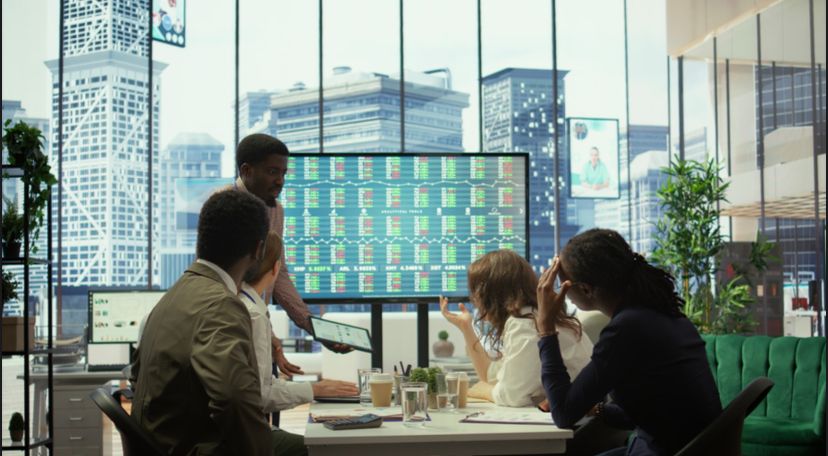
The WTO is the only global international organization dealing with the rules of trade between nations, and its ministerial meetings bring together trade ministers and senior officials from member economies to shape trade policy and negotiate agreements.
By proposing to host the 2028 meeting, Saudi Arabia signals a commitment to constructive engagement within the multilateral trade system.
Why This Proposal Matters
Elevating Saudi Arabia’s Global Economic Role
Saudi Arabia’s push to host the WTO meeting is closely aligned with its broader economic and diplomatic ambitions. The kingdom has in recent years expanded its trade and investment relationships through bilateral and multilateral agreements, increased foreign direct investment activities and active engagement in forums such as the G20, the International Monetary Fund and the World Bank.
Hosting a WTO meeting positions Saudi Arabia as a convening center for global economic governance and shows confidence in its ability to manage complex diplomatic events.
Supporting Vision 2030 Goals
The proposal also speaks to the kingdom’s Vision 2030 blueprint which calls for economic diversification, development of non oil sectors and increased integration into the global economy. By hosting an international trade event of this scale, Saudi Arabia stands to boost participation by global business leaders, investors and policy makers in the kingdom’s growing economic ecosystem.
The WTO meeting could reinforce Saudi Arabia’s credentials as a destination for business, innovation and trade cooperation.
Promoting Dialogue on Global Trade Priorities
At a time when trade relationships among nations are being recalibrated due to supply chain transformation, digital trade growth, regional trade arrangements and sustainability concerns, providing a neutral forum for dialogue is critical.
Saudi Arabia’s proposal suggests a willingness to support open dialogue among member states on contemporary trade issues and to assist in facilitating consensus where possible.
What Hosting a WTO Meeting Involves
Hosting a WTO meeting or ministerial conference involves extensive logistical planning diplomatic coordination and policy preparation. The host country is typically responsible for organizing the venue ensuring security arrangements facilitating member delegations’ participation. Providing interpretation and translation services for official sessions.
In addition, the host works closely with WTO officials to set the agenda, coordinate side events, and support the technical work of expert committees.
Previous WTO meetings have been held in cities such as Buenos Aires, Bali, Hong Kong and Geneva. Hosting in Riyadh would be a milestone for Saudi Arabia and for the Gulf region as a location for global trade diplomacy.
Potential Benefits for Saudi Arabia
Boosting Economic Visibility
A WTO meeting can draw international attention to Saudi Arabia’s economic reforms, investment climate and trade policy agenda. Delegates, business leaders and media from around the world participating in the event could further enhance awareness of the kingdom’s development priorities.
Strengthening Diplomatic Ties
By engaging diverse member states in a major multilateral forum, Saudi Arabia can strengthen bilateral and regional diplomatic relationships. Hosting a WTO meeting fosters interactions among trade ministers and senior officials that often lead to deeper cooperation in areas such as trade facilitation.
Supporting Private Sector Engagement
Major international events often offer opportunities for private sector participants to engage with policy makers. Should Saudi Arabia host a WTO session, forums for business to government dialogue, trade expos. Networking events could further support commercial engagement with global partners.
Encouraging Policy Innovation
Hosting an inclusive trade dialogue provides an opportunity to highlight innovative approaches to trade policy, supply chain resilience. Saudi Arabia can use the platform to present its own reforms and to learn from trade practices in other countries.
Global Trade Context
The timing of Saudi Arabia’s proposal comes at a moment when the global trade environment is undergoing change. Trade flows have been influenced by technological evolution, regional agreements, the growth of e commerce platforms. Diversification of supply chains and efforts to reduce trade barriers.
Challenges such as climate change, food security, energy transitions and geopolitical tensions have also underscored the need for robust trade cooperation mechanisms.
The WTO plays a central role in providing a rules based framework for resolving trade disputes negotiating trade agreements and supporting economic integration.
Engaging actively in WTO processes through hosting meetings can help nations contribute to shaping the future of global trade governance.
Reactions from International Partners
Countries that participate in WTO processes have welcomed Saudi Arabia’s proposal. Many member states view the idea of hosting a meeting in Riyadh as an opportunity to broaden engagement in trade policy discussion. Reinforce the importance of inclusive multilateral cooperation.
Trade analysts highlight that events such as WTO ministerial meetings offer valuable platforms for advancing shared goals such as trade facilitation, market access expansion.
There is optimism that Saudi Arabia’s hosting bid may stimulate additional interest in collaborative trade initiatives across regions.
Challenges and Considerations
Hosting a major international trade event is not without challenges. WTO member states need to agree on the nomination and final scheduling of ministerial meetings. Negotiations on venue and agenda setting are part of the process which typically requires significant diplomatic input.
Additionally, global economic pressures and political considerations may influence discussions around trade liberalization, tariff negotiations.
Saudi Arabia will need to continue engaging with WTO officials, member states and regional partners to strengthen support for its hosting bid. It will also prepare for logistical and policy requirements.
Strategic Importance for the Middle East
Saudi Arabia’s bid to host a WTO meeting also carries significance for the Middle East and Gulf region. Historically most WTO ministerial conferences have been held in Europe, Asia or the Americas. Hosting in Riyadh would signal broader geographic inclusion in global trade governance processes. It may inspire other countries in the region to play more visible roles on multilateral platforms.
It would also reflect the region’s economic significance as a source of energy, investment capital and trade flows across Africa, Asia and Europe.
Riyadh hosting the meeting could further elevate the profile of the Middle East in global economic diplomacy. It will also expand opportunities for regional collaboration on trade reforms.
Next Steps Toward 2028
Following the proposal Saudi officials will continue discussions with WTO leadership and member states to formalize the hosting arrangement. This includes determining specific dates securing venues and coordinating logistics with international partners.
Saudi Arabia is expected to present detailed proposals that outline its readiness, infrastructure capabilities and policy objectives. The kingdom’s diplomatic corps and trade representatives will engage with counterparts.
Public and private sector stakeholders in Saudi Arabia are also likely to contribute insights on potential themes, side events and collaborative sessions that could feature during the 2028 meeting.
Conclusion
Saudi Arabia’s proposal to host a World Trade Organization meeting in 2028. It underscores the kingdom’s growing engagement in global economic governance. It is ambition to play a central role in shaping future trade policy. Hosting such a meeting offers opportunities to showcase economic reforms support dialogue on pressing trade issues and strengthen diplomatic relationships.
The move aligns with the country’s broader goals of economic diversification, global integration and proactive participation in multilateral frameworks. As Saudi Arabia works with WTO members and international partners to advance this proposal it is likely to reinforce its position as a key voice in global trade discussions.