
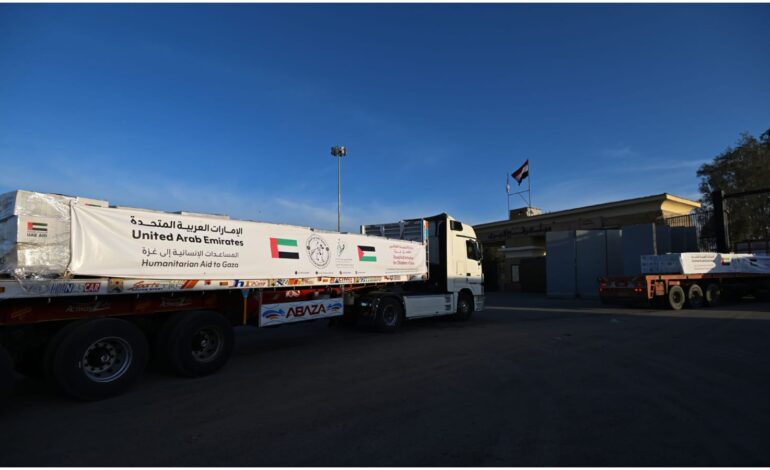

The United Arab Emirates has dispatched 30 tonnes of medical and nutritional aid to the Gaza Strip to address rising levels of severe malnutrition, particularly among women and children. The shipment forms part of the UAE’s sustained humanitarian response to the deepening food and health crisis caused by prolonged conflict, restricted access and collapsing services in Gaza.
The aid delivery highlights the UAE’s continued commitment to humanitarian relief, civilian protection and international cooperation during emergencies. By prioritising life saving nutritional support, the UAE aims to prevent irreversible health damage among vulnerable populations and reinforce global efforts to mitigate one of the most urgent humanitarian challenges in the region.
A Humanitarian Response to a Growing Crisis
Gaza continues to face one of the most severe humanitarian emergencies in recent years. Ongoing hostilities, limited humanitarian access and widespread infrastructure damage have disrupted food supply chains and healthcare services. As a result, malnutrition rates have risen sharply, especially among children and nursing mothers.
In response, the UAE has accelerated its humanitarian outreach. The latest shipment of 30 tonnes of medical and nutritional aid directly targets malnutrition related health risks and aims to stabilise those most affected. This intervention reflects a broader strategy focused on urgent relief while supporting longer term recovery.
What the Medical and Nutritional Aid Includes
The 30 tonnes of assistance consist of specialised therapeutic and preventive nutritional products. These supplies are designed to treat acute and moderate malnutrition while also preventing further deterioration among at risk groups.
The aid includes high energy therapeutic foods, fortified supplements and micronutrient rich formulations. These products provide essential vitamins, minerals and proteins needed for immune support, growth and recovery.
Importantly, all nutritional items are approved by **UNICEF**, ensuring compliance with international standards for emergency nutrition and child health. This approval guarantees that the products are safe, effective and suitable for use in crisis settings.
Targeted Support for Vulnerable Groups
The nutritional supplies are specifically intended to support:
- Children suffering from acute or moderate malnutrition
- Nursing mothers whose health directly affects infant survival
- Individuals with weakened immunity due to prolonged food shortages
By focusing on these groups, the UAE aims to reduce immediate mortality risks while preventing long term developmental and health complications. Malnutrition during early childhood and pregnancy can have lifelong consequences, making timely intervention essential.
How the Aid Reached Gaza
The UAE transported the humanitarian supplies by air to **Al Arish** in Egypt, a key logistical hub for aid destined for Gaza. Upon arrival, a UAE humanitarian team supervised the handling, inspection and preparation of the cargo.
From Al Arish, the aid was transferred into Gaza through coordinated humanitarian channels. This multi stage delivery approach enables faster deployment while navigating complex security and access constraints. It also ensures that supplies reach distribution partners capable of delivering aid directly to affected communities.
Who Will Benefit From the Aid
According to UAE officials, the shipment is expected to support approximately 20,000 women and children in Gaza. These individuals face heightened vulnerability due to food shortages, displacement and disrupted healthcare services.
By delivering targeted nutritional therapy, the UAE seeks to stabilise children at risk of severe malnutrition and support maternal health during pregnancy and breastfeeding. This approach helps reduce immediate health threats while safeguarding long term physical and cognitive development.
Part of Operation Chivalrous Knight 3
The aid delivery forms part of Operation Chivalrous Knight 3 , a UAE led humanitarian initiative dedicated to supporting civilians in Gaza.
Under this operation, the UAE has implemented a wide range of relief measures, including:
- Providing medical care to tens of thousands of patients
- Evacuating injured civilians and families for treatment abroad
- Delivering food, water and emergency shelter supplies
- Supporting hospitals and healthcare facilities with equipment and medicines
This latest shipment strengthens ongoing efforts to address malnutrition and prevent avoidable loss of life, particularly among children and mothers.
UAE’s Broader Humanitarian Role
The UAE ranks among the world’s leading humanitarian donors. In recent years, it has contributed billions of dirhams to crisis response efforts across multiple regions, including Gaza, Sudan, Yemen and parts of Africa.
For Gaza specifically, the UAE has consistently delivered food aid, clean water, medical supplies and financial assistance. These efforts demonstrate a long standing commitment to humanitarian principles, neutrality and civilian protection in conflict affected areas.
Through partnerships with international organisations and host countries, the UAE continues to prioritise effective, coordinated and needs based assistance.
Why Addressing Malnutrition Is Critical
Malnutrition represents one of the most urgent and life threatening challenges in Gaza. Children suffering from malnutrition face increased risks of infection, stunted growth and impaired cognitive development. In severe cases, malnutrition can lead to death if left untreated.
Therapeutic nutrition plays a crucial role in emergency response. It helps stabilise children, restores essential nutrients and supports recovery during periods of food scarcity.
Key benefits of nutritional intervention include:
- Stabilising children at immediate risk
- Preventing severe health complications
- Supporting immune system recovery
- Reducing child mortality rates
- Protecting long term physical and mental development
By addressing malnutrition early, humanitarian actors can significantly reduce the long term burden on healthcare systems.
Complementing International Humanitarian Efforts
The UAE’s aid complements the work of international agencies such as UNICEF, the World Food Programme and other humanitarian partners operating in Gaza. Coordinated assistance helps maximise reach, avoid duplication and ensure that limited resources reach those most in need.
International organisations continue to warn that without sustained humanitarian access and increased funding, malnutrition rates could worsen further. The UAE’s contribution therefore plays a vital role in strengthening collective response capacity.
Challenges in Delivering Aid to Gaza
Despite international efforts, humanitarian access to Gaza remains extremely challenging. Restricted entry points, damaged infrastructure and ongoing security risks complicate aid delivery.
Aid organisations frequently face delays, logistical obstacles and safety concerns. These conditions hinder the consistent flow of food, medicine and essential supplies.
The UAE has repeatedly supported calls for safe and sustained humanitarian corridors. It has also emphasised the need for predictable access to ensure that relief reaches civilians without interruption.
Focus on Women and Children
Women and children bear the greatest burden of food insecurity and healthcare disruptions in Gaza.
By targeting nutritional support to these groups, the UAE aims to break the cycle of malnutrition and prevent intergenerational health impacts. Protecting maternal and child health remains a cornerstone of humanitarian response strategies worldwide.
Health, Nutrition and Long Term Recovery
While emergency aid addresses immediate needs, long term recovery requires sustained support. Nutrition interventions must continue alongside healthcare restoration, water and sanitation services and psychosocial support.
The UAE’s humanitarian approach recognises this continuum. By combining immediate relief with support for healthcare systems, the country contributes to resilience and recovery efforts beyond short term crisis management.
International Responsibility and Cooperation
Humanitarian crises such as Gaza require collective international action. No single country or organisation can meet the scale of needs alone.
The UAE has consistently urged the international community to increase funding, improve coordination and prioritise civilian protection. Partnerships between governments, UN agencies and non governmental organisations remain essential to effective humanitarian action.
Conclusion
By sending 30 tonnes of medical and nutritional aid to Gaza, the United Arab Emirates has reinforced its commitment to humanitarian relief and civilian protection. The shipment directly addresses severe malnutrition among women and children and forms part of a broader, sustained effort under Operation Chivalrous Knight 3.
As humanitarian needs in Gaza continue to grow, coordinated international support and sustained access remain critical. Through targeted nutrition, medical assistance and global cooperation, lifesaving aid can reach those most at risk and help lay the groundwork for recovery and resilience.




1 Comment
[…] support remains a central pillar of the UAE’s Gaza relief strategy. Humanitarian agencies have repeatedly warned of mounting pressure on food systems inside the […]
Comments are closed.