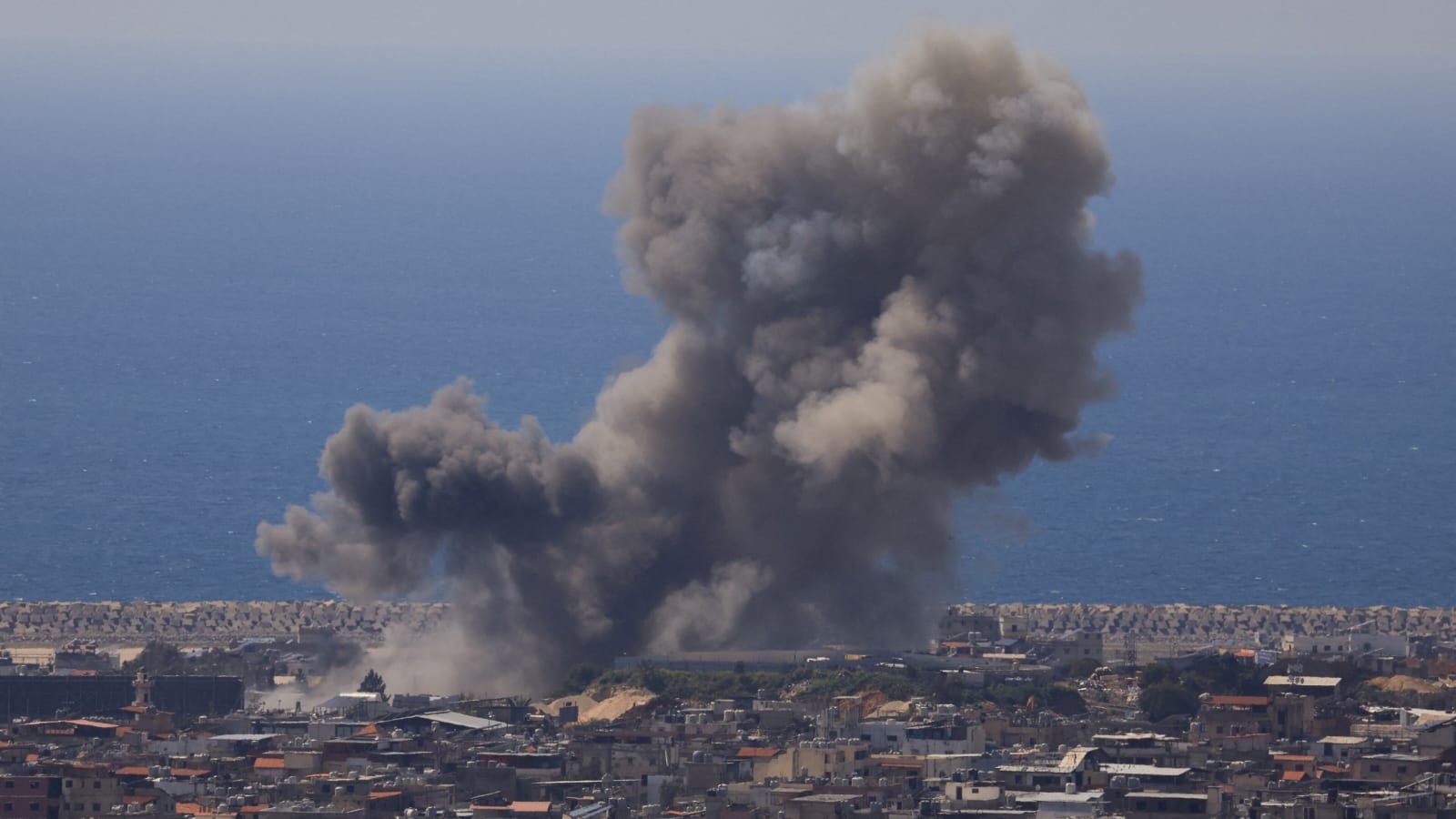

A battery distribution company in Dubai has agreed to pay Dh299000 to its insurers to settle a legal dispute over a warehouse fire in the UAE. The company and insurers had been in disagreement over responsibility for damages after a significant fire incident at an industrial storage facility. The settlement reflects an important outcome in how commercial insurance claims may be resolved when accidental damage affects storage property and business goods.
This resolution highlights the role of contractual terms and evidence in commercial insurance disputes. It also illustrates how careful documentation, legal interpretation and negotiation influence outcomes when businesses file claims for property damage. For other businesses, this case underscores the importance of clear insurance coverage terms, proactive risk management and early legal guidance.
In this article, we explore the background of the fire, the legal dispute, why the court reached its decision, and what lessons this holds for business owners and insurers in the UAE.
Background of the Warehouse Fire
The incident occurred at a warehouse used by a Dubai battery firm to store stock and commercial goods. A fire broke out in the facility, causing damage to the warehouse structure, inventory and related business assets. Fires in industrial facilities can result from multiple factors including electrical faults, improper storage of combustible materials or inadequate safety systems.
In this case, the fire triggered an insurance claim by the company seeking compensation for the losses it suffered. Commercial property insurance typically covers damage from fire, subject to the specific policy terms and exclusions. When the company lodged its claim, the insurers raised objections to certain elements of coverage, leading to a legal dispute between the battery firm and its insurance provider.
The Legal Dispute Between the Battery Firm and Insurers
After the fire, the battery company sought full compensation under its commercial property insurance policy. The insurers, however, disputed the extent of their liability based on factors such as policy interpretation, exclusions, and the circumstances under which the fire occurred.
Commercial insurance policies often contain clauses that define covered events, obligations of the insured, responsibilities for mitigation, and exclusions for certain types of damage. In many disputes, insurers may deny or limit claims if they determine that certain policy conditions were not satisfied, or if the event falls into an exclusion category.
The disagreement led the parties to seek a legal resolution to determine whether the insurer was required to pay the full amount claimed or whether the insured bore some responsibility for the loss.
Court Decision and Settlement Amount
After reviewing the evidence, contract terms, and arguments presented by both sides, the court concluded that a settlement amount of Dh299000 was fair and appropriate. The ruling required the battery firm to pay this amount to its insurers as part of resolving the dispute.
The payment to insurers might appear unusual but reflects how courts can interpret complex insurance contracts and apportion responsibility when the facts or contractual obligations are not fully aligned with the insurance claim.
This settlement effectively concludes the legal dispute, allowing both the battery firm and the insurance company to move forward without further litigation. It also sets a reference point for similar commercial insurance disputes where fire damage claims and policy interpretation are in question.
Why Insurance Disputes Arise After Fires
Insurance disputes following warehouse and industrial fires are not uncommon. When valuable inventory and business assets are involved, the total value of damage can be substantial. The reasons disputes arise include:
Unclear contract language that leaves room for different interpretations Exclusions within policies that limit coverage for certain events
Failure by the insured to meet policy conditions before or after the incident Disagreement over the cause of the fire and whether it falls under covered events Debates about valuation and market worth of damaged inventory
Disputes can result in protracted legal battles unless both parties find a basis for negotiation and settlement, as occurred in this case.
Commercial Insurance in the UAE
In the UAE, businesses are strongly encouraged to maintain comprehensive insurance coverage that protects property, equipment, goods and operational continuity. Commercial insurance plays an important role in safeguarding financial stability when unexpected events occur, such as fires, floods or theft.
Property and liability insurance can cover:
- Loss or damage to buildings and structures
- Inventory and stock loss
- Business interruption costs
- Third party liability claims arising from incidents
However, coverage is always subject to policy terms, which are contractual obligations agreed between the insured business and the insurer.
Understanding these terms is crucial for businesses to avoid surprises when claims are filed. Insurance contracts can be complex, and without legal or expert review, businesses may assume coverage that does not fully apply under specific circumstances.
Lessons for Businesses and Insurers
This case offers several important lessons for businesses and insurance companies operating in the UAE:
1. Review Insurance Contracts Regularly
Businesses should regularly review insurance policies with legal and insurance professionals to ensure that coverage aligns with potential risks. This includes understanding exclusions, limitations and conditions that may affect claims.
2. Document Risk Management Practices
Companies should maintain detailed records of safety protocols risk mitigation systems and maintenance activities. These records can be critical when establishing compliance with policy conditions after an incident.
3. Early Legal and Insurance Advice
When damage occurs, seeking early advice from legal and insurance experts can help both parties understand their rights and obligations. This can prevent disputes from escalating and promote negotiation.
4. Communication With Insurers
Open communication between businesses and insurers encourages transparency and reduces misunderstandings that lead to legal disputes. This includes providing complete evidence, reports and follow up during claims processing.
5. Negotiation Before Litigation
When disputes arise, negotiation can often lead to settlement without the time and expense of extended court battles. Mediation and alternative dispute resolution approaches can save costs and preserve business relationships.
Impact on the Battery Firm
For the battery company involved, the settlement means closure of a legal issue that likely consumed time, focus and resources. While paying Dh299000 may be an unexpected outcome, it draws a line under the dispute, allowing the firm to focus on core business activities.
The incident also provides a learning opportunity to reassess insurance coverage, internal safety protocols and risk management measures to reduce the likelihood of similar disputes in the future.
Insurer Perspective and Risk Management
From the insurers’ point of view, the settlement reflects a careful interpretation of contract terms and risk exposure. Insurance firms must balance fulfilling valid claims with managing contractual obligations and protecting their own financial stability.
For insurers, clear contract language and proactive customer engagement can help prevent disputes from arising. Insurers also benefit from educating clients about coverage limits and processes for filing claims correctly.
These practices create a more predictable environment and help organisations manage expectations when damage events occur.
Broader Implications for UAE Businesses
The resolution of this dispute will likely be of interest to businesses across the UAE, particularly those in sectors that depend heavily on warehouse storage logistics manufacturing or high inventory turnover.
The case illustrates how legal interpretation of insurance contracts can influence the outcome of damage claims. Companies may respond by seeking more precise wording in future contracts or adopting comprehensive risk assessments as part of contractual negotiations.
Greater awareness of insurance risks and dispute resolution strategies will contribute to stronger business resilience and preparedness when unpredictable events occur.
Role of the Judiciary in Insurance Disputes
The UAE legal system provides mechanisms for resolving commercial disputes in a fair and orderly manner. When businesses and insurers disagree on claims, courts examine contract terms, evidence of loss and compliance with policy conditions before rendering decisions.
This promotes certainty in the business environment by giving stakeholders a framework for resolving disagreements that go beyond simple negotiation. Legal outcomes also contribute to case law that can guide future contractual drafting, claims management and dispute resolution.
Conclusion
The settlement of Dh299000 between a Dubai battery firm and its insurers following a warehouse fire highlights the importance of clear insurance contracts, risk management and early dispute resolution. While fires and other incidents can cause substantial financial impact, having robust insurance coverage, proactive planning and expert advice helps businesses navigate challenges effectively.
For other companies in the UAE, this case serves as a reminder to invest time and expertise in understanding insurance policies and preparing for contingencies. A well informed and structured approach to insurance can reduce the likelihood of disputes and strengthen long term business security.