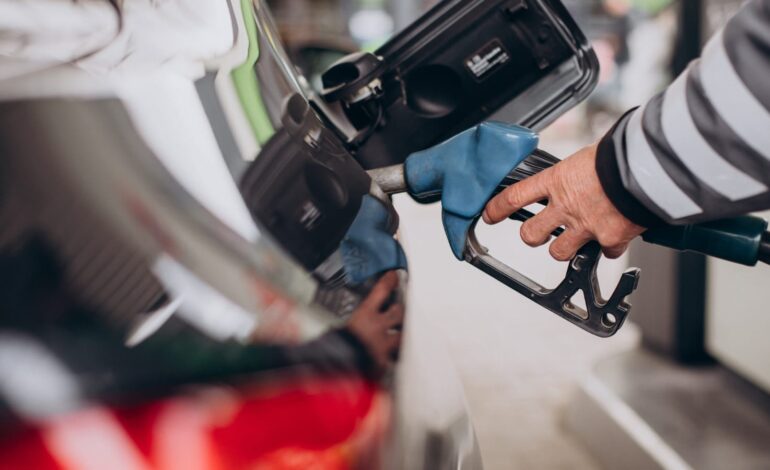

As the new year approaches, many residents and motorists in the United Arab Emirates are asking the same question: Will petrol and diesel prices rise or fall at the pump in January 2026? Fuel prices have a direct impact on household budgets, business costs and overall economic activity, so any changes in petrol or diesel rates are closely watched by consumers and industry alike.
Each month the UAE fuel price committee evaluates international oil markets, local supply and demand trends, and currency movements to set fuel prices for the coming month. These adjustments affect the cost of petrol and diesel sold at service stations across all seven emirates.
This article examines the likely pricing trend for January 2026 fuel prices explains key factors that influence price changes and offers tips for drivers on how to manage fuel costs effectively.
How Fuel Pricing Works in the UAE
Fuel prices in the UAE are not fixed by the government. Instead, an independent UAE fuel price committee reviews global oil market conditions and determines the price of petrol and diesel for the following month. This system ensures fuel prices reflect international trends while also protecting consumers from sudden shocks.
Each month the committee considers:
- Global crude oil price trends
- Exchange rate fluctuations
- Supply and demand conditions
- Refining and logistics costs
Based on this analysis, the committee sets the maximum retail prices that service stations can charge for petrol and diesel for the upcoming month.
January 2026 Fuel Price Expectation
For January 2026 the main question is whether petrol and diesel prices will increase or fall. While official prices are usually announced in the final days of December many analysts and consumers watch oil markets to predict the direction of fuel costs.
International crude oil prices have fluctuated this year. Factors such as geopolitical developments, global economic growth, energy demand forecasts and OPEC production decisions all contribute to price movements. If crude prices have risen during December these trends are likely to translate into higher fuel prices in the UAE. Conversely if global oil prices have softened then motorists may see a fall in petrol and diesel prices at the pump.
Key Drivers of Fuel Price Changes
A number of factors influence whether fuel prices rise or fall in any given month. These include: Global Oil Market Conditions
Crude oil is the primary input for petrol and diesel. When global oil prices rise due to strong demand, production cuts or geopolitical tensions, fuel prices at the pump usually follow. On the other hand, oversupply or weak demand puts downward pressure on prices.
Currency Exchange Rates
The UAE dirham is pegged to the US dollar. When the dollar strengthens, imported oil becomes more expensive in local currency terms. This can indirectly influence fuel prices. A weaker dollar generally lowers the cost of crude oil and helps lower fuel prices.
Refining and Logistics Costs
Once crude oil is purchased, refineries convert it into usable products like petrol and diesel. Refining capacity, maintenance issues at refineries and shipping costs can affect the final price that consumers pay.
Seasonal Demand Patterns
Demand for fuel can vary by season. Holiday travel in December can increase consumption temporarily, while economic slowdowns or lower travel activity can reduce demand pressure and help stabilise prices.
OPEC and Producer Decisions
Decisions by oil producing nations, especially members of the Organisation of Petroleum Exporting Countries and its partners, influence the global oil price environment through production targets and supply policies.
What It Could Mean for UAE Drivers in January
If the overall trend in crude oil prices has been upward in December drivers in the UAE may see slightly higher fuel prices in January 2026 compared with the previous month. This means consumers might spend more at the pump for both petrol and diesel.
In contrast, if oil price trends have weakened in the international market during December, the fuel price committee may approve lower prices at service stations, giving motorists some relief in their monthly fuel budgets.
Even small changes in fuel prices can add up over time, especially for drivers who commute daily, delivery fleets or businesses that rely on tractors, heavy vehicles or logistics transport.
Historical Context of Fuel Prices in the UAE
Over the past few years, the UAE has seen a mix of fuel price increases and decreases in response to global market shifts. For example:
- When global crude prices surged due to geopolitical tensions or supply constraints fuel prices at the pump increased.
- When oil markets weakened due to economic slowdowns or higher production, fuel prices were adjusted downward.
These historical cycles show how interconnected the domestic fuel market is with global conditions and why monthly reviews are necessary to reflect current realities.
How Consumers Can Prepare for Fuel Price Changes
Whether prices rise or fall in January 2026 motorists can take proactive steps to manage fuel costs:
1. Track Fuel Prices Regularly
Stay updated on announcements released by the fuel price committee towards the end of December. These official updates set the prices for January.
2. Use Public Transport When Possible
Switching to buses, metro or carpooling for part of your travel can help reduce overall fuel spending if prices rise.
3. Improve Driving Habits
Gentle acceleration, maintaining constant speeds and reducing idle time can improve fuel efficiency and lower costs.
4. Keep Vehicles Well Maintained
Regular servicing, proper tyre pressure and clean air filters all contribute to better fuel mileage.
5. Plan Longer Trips Efficiently
Planning errands or travel routes so that you combine trips can help reduce fuel usage.
These steps help cushion the impact of fuel price changes and allow drivers to save money over time.
Other Costs Affected by Fuel Prices
Fuel prices influence more than just the cost of petrol or diesel. Changes tend to ripple through the broader economy. For example:
Transport Costs
Higher fuel prices raise the cost of public and freight transport, which can eventually affect prices of goods and services.
Commuting Budgets
Individuals who drive to work daily feel the effect of any fuel price increase more directly in their monthly household budgets.
Delivery Services
Businesses that rely on delivery vehicles may adjust pricing or routing strategies in response to fuel price changes.
Public Reaction and Commentary
Consumers tend to discuss fuel price announcements passionately on social media and public forums. Many UAE residents compare monthly prices with those in neighbouring countries or track how changes affect their monthly budgets.
Some drivers argue that fuel price fluctuations encourage them to consider electric vehicles or alternative transport modes in the long run, while others emphasise the need for stable, predictable fuel rates to support economic planning.
Comparison With Neighbouring Nations
Fuel pricing mechanisms vary across the Gulf Cooperation Council region. Some countries have fuel subsidies, while others use market linked pricing similar to the UAE model.
Comparing fuel prices regionally helps residents understand how local cost of living and transport differs across neighbouring emirates, Saudi Arabia, Qatar, Bahrain, Kuwait and Oman.
Such comparisons also remind motorists that fuel pricing is influenced by national energy policy, production capacity and the economic goals of each nation.
Broader Energy Policy Considerations
The UAE continues to invest in energy diversification not only through traditional oil production but also through renewable energy, sustainability initiatives and energy efficiency programmes. These efforts help prepare the economy for a future where dependence on oil revenue changes, and where cleaner energy sources play a larger role.
Efforts such as solar power, electric vehicle charging infrastructure and energy efficient buildings are part of the country’s longer term energy vision.
In this context, fuel pricing remains an important component of national energy strategy and economic planning
Conclusion
As January 2026 approaches, motorists in the UAE are watching fuel price announcements closely. Whether petrol and diesel prices rise or fall will depend on global oil market trends, refining and logistics costs, currency factors and regional supply and demand.
Official fuel prices for January 2026 will be announced at the end of December, and drivers should plan accordingly. In the meantime, understanding the key factors that influence fuel prices and adopting smart driving habits can help households and businesses manage their transport costs effectively.
The monthly fuel price mechanism in the UAE ensures that prices reflect current global conditions, helping maintain fairness in the local market and providing transparency for consumers.