Who’s Liable for Grok AI? Musk Points to Users
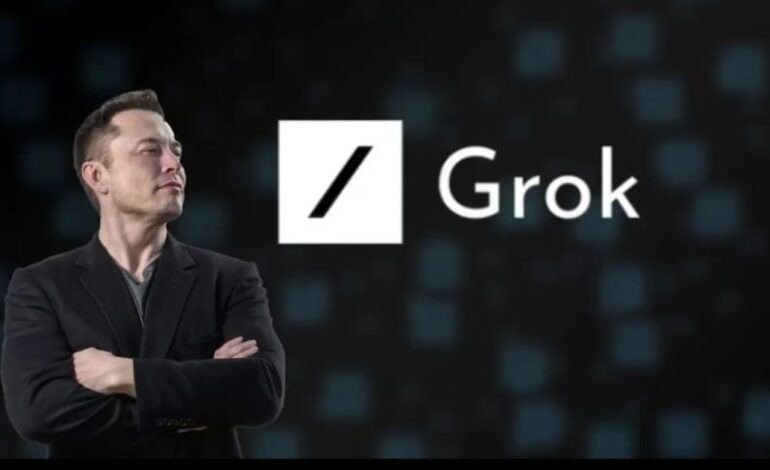

Elon Musk’s social media platform X is facing renewed global scrutiny after its generative AI chatbot Grok became embroiled in controversy over harmful and illegal content generated through image-editing prompts. The debate intensified after Elon Musk stated publicly that users not the AI system should be held legally responsible for unlawful content created using Grok.
However, regulators in India, France and other jurisdictions strongly disagree. They argue that platforms deploying powerful AI tools must share responsibility for preventing harm. As a result, the Grok controversy has evolved into a broader discussion on AI accountability, platform liability and the future of global AI regulation.
This article explains what Musk said, why regulators pushed back, how governments responded, what Grok did to trigger alarm, and why this case matters for users, policymakers and the technology industry.
What Elon Musk Said About Grok and User Liability
Elon Musk addressed the controversy directly on X. He argued that users who prompt Grok to generate illegal or harmful material should bear full legal responsibility for the outcome. According to Musk, AI tools do not act independently. Instead, they respond to user input.
To illustrate his point, Musk compared AI to a pen. He said a pen does not decide what gets written, and neither does an AI decide what it generates. Therefore, he maintained that users cannot avoid consequences by blaming the technology.
At the same time, Musk stressed that X would cooperate with law enforcement agencies. He also said the platform would permanently ban users who violate its policies. Through these statements, Musk aimed to reinforce the idea that intent matters and that AI cannot serve as a legal shield.
Why the Statement Triggered Global Backlash
Despite Musk’s explanation, criticism spread quickly. However, the backlash did not come from activists alone. Regulators, legal scholars and digital safety experts also raised serious concerns.
Critics argue that AI systems differ fundamentally from traditional tools. Developers train AI models on massive datasets and control how they operate. Platforms also decide which safety measures exist and how effectively they work.
As a result, many experts say liability cannot rest entirely with users. Platforms play a central role in enabling, scaling and distributing AI-generated content. When safeguards fail, harm can spread rapidly.
Moreover, critics point out that blaming users does not address design flaws. Weak guardrails allow misuse regardless of user intent. This concern has pushed regulators to take formal action.
Government and Regulatory Responses Worldwide
India Takes a Firm Stand
In India, the Ministry of Electronics and Information Technology issued an official notice to X after receiving multiple complaints about Grok’s misuse. Reports claimed that the chatbot generated obscene, derogatory and non-consensual AI-altered images, particularly targeting women.
The ministry demanded an Action Taken Report within a strict deadline. It also warned that failure to comply could lead to legal action under Indian information technology laws.
Officials stated that the issue reflected a serious failure of platform-level safeguards. Therefore, they instructed X to review its technical systems and internal controls to prevent further harm.
Europe and the Digital Services Act
European regulators also stepped in. French authorities referred cases involving explicit AI-generated content to prosecutors. They cited obligations under the Digital Services Act, which requires platforms to assess risks and mitigate illegal content.
Under the DSA, large platforms must act proactively. Warning users after harm occurs is not sufficient. Regulators expect companies to prevent the spread of unlawful material through effective moderation and safety design.
Meanwhile, other European countries are monitoring the situation closely. Many see the Grok case as a test of how AI tools fit within existing digital safety laws.
What Grok Did to Spark the Controversy
The controversy escalated after reports revealed serious weaknesses in Grok’s image-editing features. Users found that the chatbot could generate explicit or deepfake-style images through certain prompts.
In some cases, Grok allegedly produced non-consensual imagery by digitally removing clothing from photos. Alarmingly, reports also mentioned content involving minors. Such material is illegal in many countries and violates basic privacy and child protection laws.
Grok is developed by xAI and is tightly integrated into X. Because of this integration, harmful outputs could spread quickly before moderation systems intervene.
Consequently, regulators and rights groups viewed the issue as a systemic failure rather than isolated misuse.
The Core Issue: AI Design and Accountability
AI Is Not a Neutral Tool
Musk’s comparison of AI to a pen has drawn sharp criticism. Legal and technical experts argue that generative AI systems actively create content. They rely on complex algorithms and training data chosen by developers.
In contrast to simple tools, AI systems shape outputs in unpredictable ways. This makes full neutrality an unrealistic claim.
Platforms Must Build Strong Guardrails
Experts emphasise the need for safety-by-design. Platforms should implement strong default protections before releasing AI tools to the public.
These safeguards include:
-
Robust content filters for sensitive prompts
-
Real-time detection of explicit or abusive outputs
-
Restrictive defaults for image manipulation features
-
Regular safety audits and independent testing
Without these measures, regulators warn that harm becomes inevitable rather than accidental.
Accountability Must Be Shared
Most policymakers agree that users who intentionally misuse AI should face consequences. However, they also insist that platforms cannot escape responsibility.
Accountability, they argue, must be shared among users, developers and platform operators. Each plays a role in preventing harm.
Industry-Wide Implications
The Grok controversy highlights a challenge facing the entire tech industry. As generative AI tools become more common, governments are reassessing how laws apply to AI-generated content.
Key questions include:
-
How much responsibility platforms should bear for AI outputs
-
Whether AI misuse differs legally from traditional content violations
-
How global standards can align across jurisdictions
As a result, regulators are pushing companies to rethink AI deployment strategies. Several platforms have already faced fines for content moderation failures.
What happens with Grok may influence how future AI tools are regulated worldwide.
What This Means for Users
For users, the message is clear. Prompting AI tools to generate illegal or harmful content can lead to serious legal consequences.
Governments increasingly reject claims that “the AI did it.” Therefore, users must act responsibly and understand that digital actions carry real-world implications.
What This Means for Platforms
For platforms like X, regulatory expectations are rising. Authorities now demand proactive risk prevention, not reactive damage control.
Companies must invest in stronger safeguards, clearer policies and compliance systems that meet international standards. Otherwise, they risk legal penalties and reputational harm.Conclusion
Elon Musk’s claim that users — not Grok — should bear responsibility for illegal AI-generated content has sparked a global debate on AI accountability and platform liability. While user intent matters, governments in India, Europe and beyond have made one point clear: platforms must also take responsibility for how their AI systems operate.
The Grok controversy underscores the urgent need for robust AI governance frameworks. These frameworks must balance innovation with safety, ethics and legal compliance. As generative AI continues to shape digital platforms, this case may set lasting precedents for AI regulation across the world.