
Emirates Adds 10 Freighters in 2026 Expansion
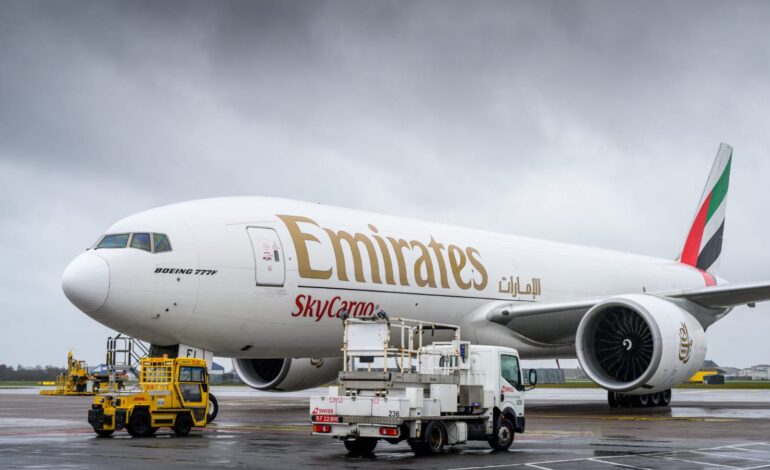

Emirates SkyCargo, the dedicated freight arm of Emirates Airline, has unveiled plans to significantly expand its cargo fleet with the addition of 10 new-generation freighter aircraft scheduled to enter service in 2026. This large-scale investment represents one of the most notable cargo expansions announced by a Middle East carrier in recent years and underscores the airline’s long-term confidence in global air freight growth.
At a time when supply chains are under pressure to become faster, more resilient and more diversified, the move highlights Emirates’ strategic focus on strengthening its logistics backbone. Rather than responding to short-lived market cycles, the airline is reinforcing its capacity to support global trade over the long term. Through this expansion, Emirates SkyCargo aims to enhance connectivity, reliability and efficiency across its worldwide cargo network.
Air Cargo’s Growing Importance in Global Trade
Over the past decade, air cargo has evolved from a supplementary transport option into a critical pillar of international commerce. Industries ranging from pharmaceuticals and electronics to automotive manufacturing and fashion now rely heavily on fast, predictable freight services to meet market demand. As globalisation deepens and delivery timelines shorten, air freight has become indispensable for maintaining business continuity.
In recent years, disruptions such as pandemics, geopolitical tensions and climate-related events have further highlighted the importance of robust cargo networks. Consequently, airlines with strong freighter fleets have gained strategic relevance within global supply chains. Against this backdrop, Emirates SkyCargo’s decision to add 10 freighters reflects a broader recognition that air cargo capacity is no longer optional but essential.
Strategic Rationale Behind the Fleet Expansion
Several interrelated factors have driven Emirates’ decision to scale up its freighter operations.
To begin with, global e-commerce continues to expand at a rapid pace. Cross-border online shopping has increased demand for time-definite delivery, placing sustained pressure on air cargo capacity. In addition to consumer goods, high-value items such as electronics and luxury products increasingly depend on air transport for speed and security.
Another key driver lies in supply chain diversification. As companies spread production and sourcing across multiple regions to reduce risk, demand has grown for long-haul cargo connectivity between emerging and established markets. As a result, airlines capable of linking continents efficiently are seeing consistent growth in freight volumes.
Equally important is Dubai’s strategic geographic position. Located between Asia, Europe, Africa and the Americas, the city offers natural advantages for cargo transhipment. By leveraging this location, Emirates SkyCargo can provide shorter transit times and seamless global connections, making Dubai an attractive logistics hub for international shippers.
Confidence in Long-Term Cargo Demand
Unlike short-term capacity adjustments, the addition of 10 freighters signals long-term confidence in the sustainability of air cargo demand. While passenger travel can fluctuate with economic cycles, cargo demand is increasingly tied to structural trends such as digitalisation, healthcare logistics and just-in-time manufacturing.
Looking ahead, these trends are expected to intensify rather than fade. As economies continue to digitalise and global trade patterns evolve, the need for reliable air freight solutions is likely to grow. In this context, Emirates’ investment reflects a strategic commitment to remaining a leading player in global logistics well into the next decade.
What the New Freighters Are Expected to Offer
Although Emirates has not disclosed the full specifications of all 10 aircraft, industry observers widely expect Boeing 777-based freighters to form a significant portion of the new additions. Emirates SkyCargo already operates one of the world’s largest fleets of Boeing 777 freighters, which are valued for their efficiency, long range and high payload capacity.
Designed for intercontinental operations, modern freighters offer a combination of performance and flexibility. Advanced avionics, optimised cargo loading systems and improved fuel efficiency enable airlines to move large volumes of goods over long distances with strong operational economics. As newer aircraft enter service, environmental performance also improves, with lower emissions per tonne-kilometre compared to older models.
Strengthening Major Global Trade Routes
With the addition of 10 freighters, Emirates SkyCargo will be better positioned to enhance capacity across key trade corridors.
Routes connecting the Middle East with Europe are expected to benefit from increased frequencies, supporting sectors such as pharmaceuticals, automotive parts and industrial machinery. Meanwhile, Asia-Pacific services play a crucial role in transporting electronics, textiles and e-commerce shipments between manufacturing centres and consumer markets.
Africa represents another important growth area. Improved cargo connectivity enables exporters across the continent to access global markets more efficiently, particularly for perishables and agricultural products. Transcontinental routes to the Americas also stand to gain, strengthening links between producers and consumers across vast distances.
Through expanded capacity and improved scheduling flexibility, Emirates SkyCargo can offer shippers more reliable and predictable cargo movement. As a result, businesses benefit from reduced transit times and improved supply chain performance.
Impact on the Global Air Cargo Industry
Fleet expansions of this scale tend to have broader implications for the aviation and logistics sectors.
Additional freighters help ease capacity constraints during peak demand periods, such as major retail seasons or times of supply chain disruption. At the same time, a larger fleet provides airlines with greater operational resilience, allowing them to redeploy aircraft quickly in response to changing market conditions.
From a competitive perspective, Emirates SkyCargo’s move strengthens its position among leading global cargo carriers. Increased competition often drives innovation, encouraging airlines to improve service quality, invest in digital solutions and develop specialised logistics products tailored to customer needs.
Supporting the Rise of E-Commerce and Express Logistics
One of the most powerful forces shaping air cargo demand is the continued rise of e-commerce. Consumers increasingly expect fast, reliable international deliveries, even for cross-border purchases. These expectations have transformed logistics requirements, placing greater emphasis on speed and consistency.
Dedicated freighters play a vital role in meeting these demands. Unlike passenger aircraft belly cargo, freighters offer predictable schedules and significant volume capacity. Consequently, express logistics providers and online retailers benefit from stable supply chains capable of handling large shipment volumes without disruption.
As e-commerce penetration continues to grow worldwide, Emirates SkyCargo’s expanded freighter fleet will help support this transformation by ensuring sufficient capacity on key routes.
Dubai’s Role as a Global Logistics Hub
Dubai’s emergence as a leading logistics hub is the result of sustained investment in infrastructure, policy reform and connectivity. Emirates SkyCargo operates within a highly integrated ecosystem that includes Dubai International Airport, Al Maktoum International Airport, major free zones and advanced customs systems.
Together, these components enable efficient cargo movement across air, sea and land transport modes. By expanding its freighter fleet, Emirates directly contributes to higher cargo throughput and stronger trade flows through Dubai. This, in turn, enhances the city’s attractiveness as a transit and distribution centre for global commerce.
Economic Benefits for the UAE
Beyond aviation, the freighter expansion delivers wider economic value to the UAE.
Businesses operating in the country gain access to increased cargo capacity and more flexible shipping options. Export-oriented sectors benefit from faster and more reliable access to international markets, particularly for high-value and time-sensitive goods such as pharmaceuticals and fresh produce.
Employment creation is another important outcome. As fleet operations expand, demand rises for skilled professionals in aviation, engineering, ground handling, logistics management and digital supply chain operations. Over time, these opportunities contribute to skills development and economic diversification.
Technology, Efficiency and Sustainability
Modern freighter aircraft are designed to balance growth with efficiency and sustainability. Advanced fuel-management systems, improved aerodynamics and digital performance monitoring help reduce operating costs while lowering environmental impact.
In parallel, Emirates SkyCargo continues to invest in digital logistics platforms that enhance transparency and efficiency. Real-time tracking, automated booking systems and data-driven optimisation tools allow customers to manage shipments more effectively. As sustainability becomes an increasingly important consideration for shippers, such innovations support both environmental and commercial objectives.
Delivery Timeline and Fleet Integration
The 10 new freighters are expected to be delivered progressively throughout 2026. Emirates SkyCargo typically follows a phased integration approach, ensuring smooth entry into service without disrupting existing operations.
This process involves pilot and crew training, maintenance planning, route optimisation and coordination with global ground handling partners. By carefully managing fleet growth, the airline can scale capacity efficiently while maintaining high safety and service standards.
Industry Trends Driving Continued Freighter Growth
Several long-term trends continue to shape the air cargo landscape.
E-commerce expansion remains a powerful driver of demand for fast cross-border logistics. At the same time, trade route diversification is increasing long-haul cargo flows between new production centres and consumption markets. Post-pandemic supply chain adjustments have further reinforced the importance of air freight as a tool for managing risk and uncertainty.
Taken together, these trends explain why airlines such as Emirates are investing heavily in dedicated freighter capacity at this stage.
Conclusion
Emirates SkyCargo’s plan to add 10 new freighters in 2026 represents a decisive investment in the future of global air cargo. By expanding capacity, enhancing flexibility and leveraging Dubai’s strategic location, the airline is positioning itself at the centre of evolving international trade networks.
Ultimately, the expansion reinforces the UAE’s role as a global logistics hub while supporting businesses, consumers and economies worldwide. As speed, reliability and resilience become increasingly critical in global trade, Emirates’ growing freighter fleet is set to play a defining role in shaping the next chapter of international air cargo.






2 Comments
[…] Doersam joined the Emirates Group in 2006, beginning what would become a long and steadily advancing career within the organisation. […]
[…] Emirates suspension is part of a broader aviation shockwave sweeping the region. Early reports indicate […]
Comments are closed.