Dubai cancels six Iran flights amid 2026 unrest and disruptions
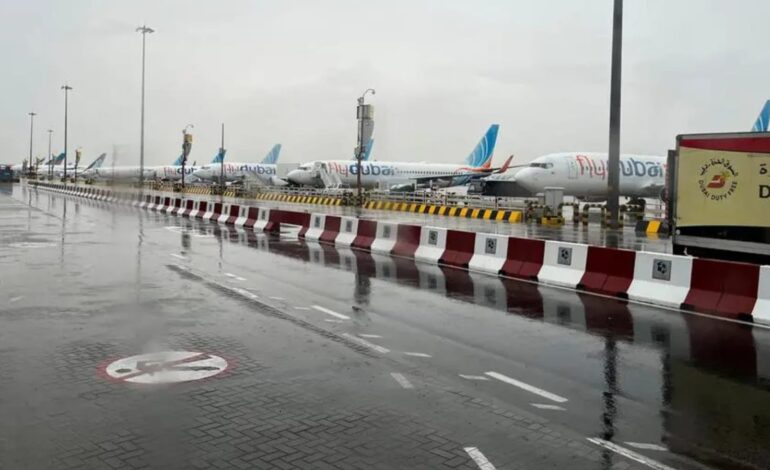

Dubai cancelled at least six scheduled flights to Iran as regional aviation disruptions deepened, highlighting growing uncertainty for air travel across the Gulf and the wider Middle East. Airlines removed flights bound for major Iranian cities, including Tehran, Shiraz and Mashhad, from departure schedules as operational challenges mounted amid unrest inside Iran.
Dubai Airports displayed the cancellations on its official departure portal, though airport authorities and airlines did not immediately issue formal explanations. The sudden changes left many passengers seeking clarity, while airlines across the region continued to reassess routes affected by security concerns, communication outages and logistical instability.
Flights Cancelled From Dubai With Little Notice
On Friday, January 9, 2026, airlines operating from Dubai cancelled at least six outbound flights to Iran. These services typically connect Dubai with Iranian cities that attract strong demand from business travellers, tourists, religious pilgrims and expatriate communities.
Airlines advised affected passengers to contact customer service teams for refunds, rebooking options or alternative travel plans. The absence of official statements added to traveller frustration, especially for passengers with connecting flights, urgent travel needs or fixed schedules.
Ongoing Unrest in Iran Drives Aviation Uncertainty
Sustained civil unrest in Iran has continued into early 2026, driven by economic pressure, rising living costs and public dissatisfaction. Demonstrations have spread across several cities, including Tehran, Isfahan, Shiraz and Mashhad, prompting heightened security responses from authorities.
These developments have disrupted daily life and commercial activity throughout the country, including aviation operations.
Authorities have also imposed widespread internet and communications restrictions, which have significantly complicated airline logistics and international coordination.
Communication Blackouts Disrupt Airline Operations
Modern aviation relies heavily on stable communication systems. When internet and mobile networks fail or shut down, airlines struggle to manage operations safely and efficiently. These disruptions affect:
-
Coordination with ground handling teams
-
Crew scheduling and operational updates
-
Access to weather and flight planning systems
-
Communication with aviation authorities
-
Emergency response readiness
As a result, airlines often suspend services until they regain confidence in operational reliability.
Disruptions Extend Beyond Dubai
Dubai is not the only aviation hub facing Iran-related disruptions. Airlines operating from other regional hubs have also revised schedules.
In the UAE, Air Arabia cancelled multiple flights from Sharjah to Iranian cities, including Tehran, Shiraz, Mashhad and Lar. These decisions indicate a broader regional response rather than isolated operational issues.
Airlines operating from Doha and Istanbul have also reduced or suspended services. Turkish Airlines, AJet and Pegasus Airlines have all adjusted Iran-bound routes as conditions evolved.
Airlines Adjusting Iran Routes
Flight data and airline schedules show several carriers responding to the situation:
-
Flydubai removed multiple services between Dubai and Iranian cities
-
Air Arabia cancelled flights from Sharjah to several destinations in Iran
-
Regional and international carriers reduced or paused operations
These coordinated adjustments reflect shared risk assessments across the aviation sector.
Impact on Travellers
The sudden cancellations have disrupted travel plans for thousands of passengers. Many travellers now face:
-
Delays in securing rebookings
-
Longer customer service wait times
-
Disrupted multi-leg itineraries
-
Higher travel costs due to last-minute changes
Passengers travelling for religious, medical or family reasons remain among the most affected.
Why Airlines Cancel Flights Without Immediate Statements
Airlines base cancellation decisions on internal safety assessments, regulatory guidance and operational feasibility. They do not always release detailed explanations immediately, especially during rapidly changing situations.
Common triggers include:
-
Uncertainty at destination airports
-
Crew safety concerns
-
Ground handling limitations
-
Communication failures
-
Insurance and compliance risks
Industry analysts note that airlines typically adopt a cautious approach during periods of civil unrest.
Dubai’s Position as a Global Aviation Hub
Dubai serves as one of the world’s busiest aviation hubs, linking Asia, Europe, Africa and the Middle East. Even limited route disruptions can affect global travel flows.
Flights between Dubai and Iran play a critical role due to strong commercial, cultural and familial ties. Any interruption to these routes carries significant regional consequences.
Safety Remains the Primary Consideration
Airlines consistently prioritise passenger and crew safety. When uncertainty increases, carriers often pause services until conditions stabilise and reliable information becomes available.
Experts stress that these suspensions may remain temporary if communication systems recover and security conditions improve.
What Passengers Should Do
Travellers with upcoming flights to Iran should:
-
Monitor airline apps and websites regularly
-
Contact customer service teams for options
-
Follow airport and aviation authority updates
-
Avoid non-refundable bookings
-
Review travel insurance coverage
Flexibility remains essential during periods of geopolitical volatility.
Outlook for Regional Aviation
Airlines have not indicated when full services to Iran may resume. Analysts warn that further disruptions could follow if unrest continues or communication blackouts persist.
Until then, airlines across the region are likely to maintain cautious schedules and adjust operations as conditions evolve.
Conclusion
Dubai’s cancellation of at least six flights to Iran underscores the direct impact of geopolitical instability on international aviation. With unrest ongoing and communication disruptions unresolved, airlines have prioritised safety and operational certainty.
The situation highlights how events within one country can ripple across global travel networks, affecting passengers, airlines and regional connectivity. As developments continue, both travellers and carriers remain alert for clearer signals of stability.