
Gaza Peace Plan Moves to Phase Two
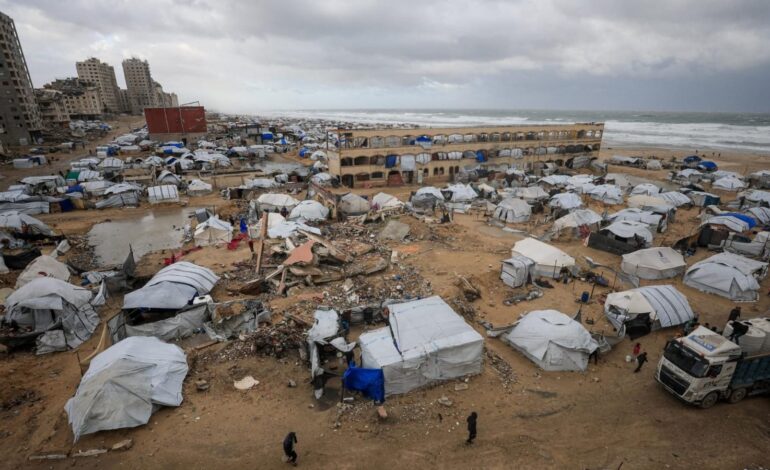

The United States has officially announced the launch of Phase Two of the 20-point Gaza peace plan, marking a critical transition from active conflict management to longer-term governance, demilitarisation, and reconstruction. This new phase aims to move Gaza from war toward stability by establishing a transitional Palestinian technocratic administration, dismantling armed structures, and beginning the massive task of rebuilding after years of devastation.
The announcement was made by U.S. Special Envoy to the Middle East Steve Witkoff, who described Phase Two as a continuation of momentum created during the ceasefire period while acknowledging the complexity of the road ahead. According to U.S. officials, the second phase represents a deliberate shift from emergency diplomacy to structural recovery and political reorganisation.
From Ceasefire to Governance: Why Phase Two Matters
Phase Two marks a turning point in the Gaza peace process. While Phase One focused on halting violence and addressing urgent humanitarian concerns, Phase Two introduces mechanisms intended to reshape Gaza’s political and security landscape.
Importantly, this phase moves beyond short-term crisis management and begins addressing fundamental questions: Who governs Gaza? How is security maintained? And how can reconstruction proceed without renewed conflict?
By prioritising governance reform and demilitarisation alongside rebuilding, the plan seeks to prevent a return to instability while creating conditions for longer-term peace.
Core Pillars of Phase Two
Phase Two rests on three interconnected pillars: transitional governance, demilitarisation, and reconstruction. Each pillar depends on progress in the others, making coordination essential.
Establishing a Transitional Technocratic Administration
A New Governance Structure
At the heart of Phase Two is the creation of a National Committee for the Administration of Gaza, a technocratic body designed to take over daily governance from Hamas and other armed factions. Unlike political administrations, this committee is composed primarily of experts and civil professionals, rather than party-affiliated figures.
The committee’s mandate includes:
-
Managing essential public services
-
Overseeing key ministries and local councils
-
Coordinating humanitarian and reconstruction efforts
-
Restoring basic administrative functions
The goal is to provide functional, non-partisan governance during a transitional period, allowing institutions to operate while longer-term political arrangements remain under discussion.
Leadership and Composition
Reports indicate that Palestinian political and civil leaders have agreed on the structure of a 12-member technocratic committee, covering portfolios such as:
-
Finance
-
Health
-
Water and energy
-
Local governance
-
Security coordination
Ali Shaath, a former deputy minister of transportation in the Palestinian Authority, has been named chair of the committee. His appointment signals an emphasis on administrative experience rather than political mobilisation.
This leadership model aims to build public trust by focusing on service delivery rather than ideology.
Demilitarisation: A Central and Contentious Element
What Demilitarisation Involves
Demilitarisation represents one of the most challenging aspects of Phase Two. The plan calls for the removal of weapons held by non-state armed actors in Gaza, effectively ending the territory’s status as a militarised enclave.
U.S. officials have stated that full compliance by Hamas is essential, including:
-
Disarmament of armed units
-
Transfer or destruction of weapons
-
Cooperation with international monitoring mechanisms
In addition, the plan requires Hamas to complete outstanding humanitarian obligations, including the handover of remains of the final unidentified hostage.
Why Demilitarisation Is Critical
Demilitarisation underpins all other elements of Phase Two. Without it:
-
Reconstruction efforts face constant risk
-
International investors and donors remain hesitant
-
Governance structures lack authority
Supporters argue that removing weapons is essential to prevent Gaza from reverting to cycles of violence that undermine development and humanitarian relief.
However, analysts also warn that demilitarisation will require careful sequencing, international oversight, and strong incentives to avoid renewed conflict.
Reconstruction: Rebuilding Gaza After Years of Conflict
Scale of Destruction
Gaza’s reconstruction needs are immense. Years of conflict have left:
-
Large sections of housing destroyed
-
Critical infrastructure damaged or non-functional
-
Hospitals, schools, and water systems severely impaired
Humanitarian agencies estimate that rebuilding Gaza will require tens of billions of dollars and sustained international engagement over many years.
Laying the Groundwork
Phase Two does not immediately deliver full reconstruction. Instead, it:
-
Establishes governance structures to manage rebuilding
-
Creates security conditions to protect projects
-
Mobilises international funding commitments
Reconstruction priorities include:
-
Housing and shelter
-
Electricity and water systems
-
Healthcare facilities
-
Transport and municipal infrastructure
-
Economic revitalisation and job creation
Without a functioning administration and improved security, these efforts cannot proceed effectively.
Progress Achieved in Phase One
Phase Two builds on achievements from Phase One, which focused on immediate de-escalation and humanitarian relief.
Key Outcomes of Phase One
-
A sustained ceasefire between Israel and Hamas
-
The release of all living hostages held by Hamas
-
The return of most deceased hostages to their families
-
Increased humanitarian access
These steps significantly reduced immediate violence and created space for diplomatic engagement.
However, unresolved issues remain, including Israeli troop deployments, border controls, and humanitarian access constraints.
International Oversight and Support Structures
The Board of Peace
The peace plan envisages the creation of a multinational Board of Peace, designed to oversee governance transition and reconstruction. While details remain under development, U.S. officials say the board will include:
-
Senior international figures
-
Representatives from key donor states
-
Multilateral institutions
Initially, the board will operate under U.S. leadership, with broader international participation expected over time.
International Stabilization Force
Security oversight will be supported by a UN-mandated multinational stabilization force, authorised under United Nations Security Council Resolution 2803.
The force’s responsibilities include:
-
Supporting local police training
-
Monitoring demilitarisation efforts
-
Maintaining public order during the transition
This external presence aims to reduce the risk of security vacuums while Gaza’s institutions rebuild.
Role of Regional Mediators
Key regional actors—Egypt, Qatar, and Turkey—have welcomed the launch of Phase Two. These countries played central roles in mediating the ceasefire and continue to support:
-
Transitional governance
-
Humanitarian relief
-
Stability mechanisms
Their involvement remains essential for maintaining dialogue among all parties.
Major Challenges Ahead
Despite the formal launch of Phase Two, the process remains fragile. Several obstacles could delay or derail progress.
Compliance and Trust
-
Ensuring Hamas’ full compliance with demilitarisation
-
Building public trust in the technocratic administration
Security Uncertainty
-
Continued Israeli military presence in parts of Gaza
-
Risk of renewed hostilities from spoilers
Funding and Coordination
-
Securing sustained international financing
-
Coordinating donors, agencies, and contractors
Governance Legitimacy
-
Establishing clear authority lines
-
Avoiding overlap or power struggles
Each challenge requires careful diplomatic management and sustained engagement.
Humanitarian Considerations During the Transition
Even as governance and reconstruction plans advance, humanitarian needs remain acute. Millions of Gazans continue to depend on aid for food, water, shelter, and healthcare.
Aid organisations stress the importance of:
-
Keeping border crossings operational
-
Protecting humanitarian corridors
-
Ensuring safe access for relief workers
Humanitarian stability is not separate from political transition—it is foundational to its success.
Broader Regional and Global Implications
If successfully implemented, Phase Two could reshape regional dynamics. A demilitarised, governed Gaza would:
-
Reduce regional security risks
-
Enable new diplomatic pathways
-
Improve prospects for economic engagement
Conversely, failure could reinforce skepticism toward negotiated peace efforts and deepen instability.
International observers note that Gaza’s transition may influence broader Middle East diplomacy, particularly around post-conflict governance models and international oversight mechanisms.
Why Phase Two Represents a Pivotal Moment
Phase Two stands apart because it addresses structural causes of instability, not just symptoms. By tackling governance gaps, security fragmentation, and economic collapse together, the plan aims to break cycles that have repeatedly undermined past efforts.
However, success depends on:
-
Sustained political will
-
International coordination
-
Measurable progress on the ground
Without these, the plan risks stalling.
Conclusion
The launch of Phase Two of the Gaza peace plan marks a pivotal moment in efforts to transition the enclave from conflict to stability. By establishing a technocratic administration, pursuing demilitarisation, and laying the groundwork for reconstruction, the initiative seeks to create conditions for lasting peace and recovery.
Nevertheless, the path forward remains complex and uncertain. Diplomatic, security, and humanitarian challenges persist, requiring patience, coordination, and compromise from all stakeholders. Whether Phase Two succeeds will depend not only on frameworks and commitments but on consistent execution and international support.
For Gaza, Phase Two represents both opportunity and test: a chance to rebuild institutions and lives, and a challenge to turn plans into durable reality.




1 Comment
[…] Gargash made it clear that the UAE’s top priority is improving daily life for civilians in Gaza rather than waiting solely for a final political […]
Comments are closed.