India’s E-Passports: A Must for UAE Indians
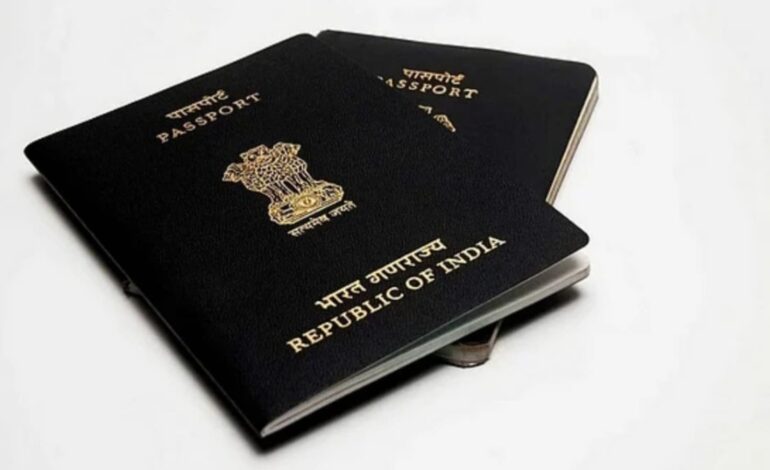

India has officially introduced next-generation electronic passports (e-passports) featuring embedded smart chip technology designed to strengthen travel security, enhance global mobility and protect personal data for Indian citizens worldwide. This major upgrade from traditional paper passports represents a significant step in modernising India’s travel documentation system.
For the millions of Indian expatriates living in the United Arab Emirates (UAE), the move carries particular importance. With frequent travel between India and the Gulf for work, business and family visits, switching to an e-passport can deliver faster airport processing, stronger identity protection and smoother international journeys.
As global immigration systems rapidly adopt biometric verification, Indian expats in the UAE are strongly encouraged to consider upgrading to chip-enabled passports when renewing or applying for a new document.
What Is an e-Passport?
An e-passport short for electronic passport is a biometric travel document that contains a small radio-frequency identification (RFID) chip embedded within the passport cover. While it looks similar to a traditional passport, the chip securely stores the holder’s biometric and identity information.
Data Stored in an Indian e-Passport
The embedded chip typically contains:
-
Facial image
-
Fingerprint data
-
Digital signature
-
Personal identity details printed on the passport
All information is encrypted using internationally recognised security protocols.
When scanned at immigration counters or automated e-gates, authorised systems can quickly verify the traveller’s identity by matching the chip data with the passport holder’s biometrics. This makes the document significantly more secure than conventional machine-readable passports.
Why India Is Switching to e-Passports
India’s transition to biometric passports is part of a broader global movement toward smarter, more secure travel documents aligned with International Civil Aviation Organization (ICAO) standards.
1. Stronger Travel Security
One of the primary reasons behind the rollout is to combat passport fraud and identity theft.
Traditional passports can be more vulnerable to tampering or duplication. The encrypted chip in e-passports makes forgery extremely difficult because:
-
Biometric data is uniquely tied to the passport holder
-
Digital signatures verify authenticity
-
Any tampering attempts are detectable by border systems
For Indian nationals travelling frequently, especially in high-traffic global hubs like the UAE, this added security is a major advantage.
2. Faster Airport Experience
Modern airports increasingly rely on automated immigration gates and biometric verification systems.
E-passports enable:
-
Quick scanning at e-gates
-
Reduced manual checks
-
Shorter queues at immigration
For UAE-based Indians who often travel through busy hubs such as Dubai and Abu Dhabi, the time savings can be significant, particularly during peak holiday seasons.
3. Alignment With Global Standards
Many countries — including the United States, UAE, UK, Schengen nations and several Asian economies — already use or prioritise biometric passports.
By adopting e-passports, India ensures its citizens benefit from:
-
Wider international acceptance
-
Compatibility with global border systems
-
Easier participation in automated immigration programs
This harmonisation is especially important for Indian professionals and business travellers working across multiple countries.
4. Empowering Overseas Indians
The Indian diaspora in the UAE is one of the largest expatriate communities in the world. Many residents travel multiple times a year for:
-
Employment commitments
-
Business operations
-
Family visits
-
Education and tourism
E-passports are designed to support this highly mobile population by making cross-border movement more efficient and secure.
Key Benefits for Indian Expats in the UAE
Faster Immigration Clearance
One of the biggest advantages of e-passports is compatibility with automated border control systems.
Major UAE airports — including Dubai International Airport and Abu Dhabi International Airport — operate advanced smart gates that can read chip-enabled passports quickly.
What this means for expats:
-
Less time in immigration queues
-
Smoother arrivals and departures
-
Reduced manual document checks
For frequent flyers, this convenience alone can justify the upgrade.
Stronger Data Protection
Data security is a growing concern for international travellers. E-passports address this through multiple layers of protection.
Security features include:
-
Encrypted biometric storage
-
Public key infrastructure (PKI) authentication
-
Tamper-resistant chip technology
Because the information cannot be easily altered or copied, the risk of identity fraud is significantly reduced compared with traditional passports.
Better Global Recognition
Biometric passports are now the international norm. Many countries increasingly prefer and in some cases expect travellers to carry chip-enabled documents.
For Indian expats, this can translate into:
-
Smoother visa processing
-
Easier visa-on-arrival access in some destinations
-
Improved credibility at border checks
As more nations modernise their immigration systems, having an e-passport future-proofs international travel.
Reduced Risk of Travel Delays
Border authorities worldwide are tightening document verification.
Travellers using older passports may occasionally face:
-
Additional manual checks
-
Longer processing times
-
Secondary screening
While traditional passports remain valid, e-passport holders generally experience fewer delays because their identity can be verified electronically and instantly.
How Indian Expats in the UAE Can Apply for an e-Passport
Indian citizens residing in the UAE can apply for an e-passport through Indian diplomatic missions or authorised passport service centres.
Step 1: Online Application
Applicants typically begin by completing the passport application form online through the official Passport Seva system and booking an appointment at the nearest service centre.
Step 2: Document Submission
Applicants must provide standard documents, which may include:
-
Existing passport
-
Emirates ID
-
Valid UAE residence visa
-
Proof of address
-
Passport-size photographs (if required)
Requirements may vary slightly depending on whether the application is for renewal, reissue or a fresh passport.
Step 3: Biometric Capture
At the appointment, officials collect:
-
Fingerprints
-
Digital photograph
-
Signature
These biometric details are securely embedded into the passport’s RFID chip.
Step 4: Processing and Delivery
Once verification is complete, the e-passport is printed and issued. Processing timelines can vary depending on demand and verification requirements.
Tip for UAE expats:
Apply well ahead of planned international travel to avoid last-minute delays.
Security and Data Privacy: Addressing Common Concerns
Some travellers worry about privacy risks associated with chip-based passports. However, modern e-passports are built with robust international safeguards.
How the Data Is Protected
-
The chip uses advanced encryption
-
Only authorised border systems can read the data
-
Random scanning by unauthorised devices is prevented
-
Digital certificates verify authenticity
Importantly, the chip does not transmit information continuously. It can only be read at very close range by certified immigration equipment.
This means travellers’ personal information remains secure during normal use.
Global Context: The Rise of Biometric Passports
E-passports are no longer new they are rapidly becoming the global standard.
Regions Already Using e-Passports Widely
-
European Union countries
-
United States and Canada
-
Gulf Cooperation Council (GCC) states
-
Australia and New Zealand
-
Many Asian economies
The UAE itself issues biometric passports to its citizens and has invested heavily in smart immigration infrastructure.
As international travel becomes increasingly digitised, countries without biometric passports risk slower processing for their citizens abroad. India’s rollout ensures its passport holders remain globally competitive.
Why the Timing Matters for UAE Residents
For Indian expatriates in the UAE, the introduction of e-passports comes at a particularly relevant moment.
Key Factors
✔ International travel has rebounded strongly
✔ India-UAE economic ties continue to deepen
✔ Cross-border business travel is rising
✔ Family visits between the two countries remain frequent
✔ Airports are expanding biometric automation
Upgrading now allows travellers to immediately benefit from these evolving systems rather than waiting until older passports expire.
Should You Switch Immediately?
While existing passports remain valid until their expiry date, many experts recommend that frequent travellers — especially those based overseas — consider moving to e-passports at the next renewal.
You should strongly consider switching if you:
-
Travel internationally multiple times a year
-
Frequently transit through major global hubs
-
Want faster airport processing
-
Prefer enhanced identity protection
-
Plan long-term overseas residence
For occasional travellers, the upgrade is still beneficial but may be less urgent.
The Future of Indian Travel Documents
India’s e-passport rollout is part of a broader digital transformation of travel and identity management.
In the coming years, we can expect:
-
Greater use of contactless immigration
-
Expanded biometric verification
-
Integration with digital travel credentials
-
More automated airport experiences
For globally mobile Indians particularly the large professional community in the UAE — adopting the e-passport early positions them to benefit from these innovations.
Conclusion
India’s launch of chip-enabled e-passports marks a major leap forward in secure and modern travel documentation. By embedding encrypted biometric data into passports, the government is strengthening identity protection while enabling faster, more seamless international journeys.
For Indian expats living in the UAE one of the world’s most travel-intensive expatriate communities the advantages are clear: quicker immigration clearance, stronger data security, wider global acceptance and reduced risk of travel delays.
As global aviation continues to embrace biometric technology, upgrading to an e-passport is more than a routine renewal it is a smart step toward future-ready travel. Indian residents in the UAE planning upcoming trips or passport renewals would be wise to make the switch early and enjoy the full benefits of this next-generation travel document.