Trump Warns Iran of Severe Consequences Without Nuclear Deal
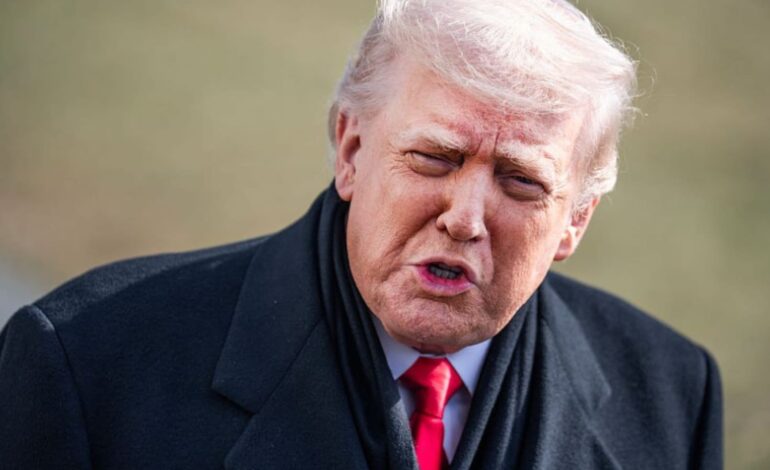

Tensions between the United States and Iran have escalated once again after US President Donald Trump issued a stark warning to Tehran, saying the country could face a “very traumatic” outcome if it fails to reach a nuclear agreement with Washington.
The remarks come at a highly sensitive moment when indirect diplomatic efforts are underway but mutual distrust remains deeply entrenched. Trump’s warning has injected fresh uncertainty into the Middle East geopolitical landscape and has drawn close attention from global energy markets, investors and regional policymakers.
This comprehensive analysis explains what Trump said, why the warning matters, where US-Iran nuclear talks currently stand and what scenarios could unfold in the coming weeks.
Trump’s Latest Warning to Iran
President Trump delivered the strong message following discussions with Israeli Prime Minister Benjamin Netanyahu, underscoring Washington’s continued pressure campaign on Tehran while still keeping the door open for diplomacy.
According to officials familiar with the discussions, Trump emphasised two parallel points:
-
The United States prefers a negotiated nuclear agreement
-
Iran could face severe consequences if diplomacy fails
By using the phrase “very traumatic”, Trump signalled a willingness to escalate pressure if talks stall a rhetorical move that analysts say is designed to increase leverage at the negotiating table.
Key Takeaways From Trump’s Statement
-
Diplomacy remains the preferred path
-
Patience in Washington may be limited
-
Pressure on Tehran is being maintained
-
Regional allies’ concerns are being considered
Reports suggest Trump believes meaningful progress should occur within roughly a month, although no formal deadline has been publicly announced.
Why the Timing Is Sensitive
Trump’s warning arrives during a fragile phase in US-Iran relations. After years of heightened tensions, both sides have recently shown cautious openness to indirect talks. However, deep mistrust continues to overshadow negotiations.
Several factors make the current moment particularly delicate:
-
Ongoing indirect diplomatic engagement
-
Continued Iranian uranium enrichment activity
-
Persistent US sanctions pressure
-
Regional security concerns
-
Israeli security objections
This combination means that even strong rhetoric can quickly influence market sentiment and regional risk perceptions.
Netanyahu’s Skepticism Adds Another Layer
While Trump expressed conditional support for continued negotiations, Israeli Prime Minister Benjamin Netanyahu has reportedly maintained a more sceptical stance toward any potential agreement with Iran.
Israel has long argued that any nuclear deal must completely eliminate Iran’s pathway to nuclear weapons capability, not merely slow it down.
Israel’s Core Concerns
-
Iran’s advanced uranium enrichment
-
Missile development programmes
-
Regional proxy activities
-
Verification and inspection strength
This difference in tone between Washington and Tel Aviv highlights the complex diplomatic balancing act facing the United States.
Analysts note that the US must simultaneously:
-
Keep negotiations alive with Iran
-
Reassure Israel and Gulf allies
-
Maintain deterrence credibility
-
Avoid triggering regional escalation
Where US-Iran Nuclear Talks Currently Stand
Indirect talks between Washington and Tehran have resumed after a prolonged period of hostility. While both sides have signalled willingness to engage, officials caution that discussions remain at an early and fragile stage.
Major Sticking Points
1. Uranium Enrichment Levels
Western powers remain concerned about Iran’s accumulation of highly enriched uranium, which could theoretically shorten the timeline to weapons-grade material.
2. Sanctions Relief
Tehran is demanding meaningful and verifiable sanctions relief as a condition for any agreement.
3. Inspections and Monitoring
Disagreements persist over the scope and intrusiveness of international inspections.
4. Regional Security Issues
Broader geopolitical tensions including proxy conflicts continue to complicate the nuclear file.
So far, officials on both sides have characterised the talks as preliminary groundwork rather than a breakthrough.
Why the Iran Nuclear Issue Remains Critical
The Iranian nuclear programme remains one of the most sensitive and consequential security issues in the Middle East.
Western Concerns
-
Potential weaponisation risk
-
Regional arms race
-
Threat to allies
-
Global non-proliferation norms
Iran’s Position
Tehran consistently maintains that its nuclear programme is peaceful and civilian in nature, aimed at energy and medical uses.
However, the high levels of uranium enrichment have kept international scrutiny intense.
What Is at Stake Globally
Failure to reach a diplomatic solution could have far-reaching consequences beyond the Middle East.
Potential Risks Include
-
Rising regional military tensions
-
Expansion of US or multilateral sanctions
-
Increased oil market volatility
-
Disruptions to shipping lanes
-
Heightened geopolitical risk premiums
Because Iran sits at the heart of global energy routes, developments in the nuclear standoff often trigger immediate reactions in commodity markets.
Military Pressure Remains in the Background
Although Washington continues to publicly prioritise diplomacy, the United States has also maintained a posture of military readiness in the region.
Trump’s warning fits into what analysts describe as a dual-track strategy:
-
Keep diplomatic channels open
-
Maintain credible deterrence
This approach is intended to push Iran toward compromise while signalling that failure to negotiate could carry costs.
Why the US Uses This Strategy
-
Increase negotiating leverage
-
Reassure regional allies
-
Prevent nuclear breakout scenarios
-
Maintain strategic ambiguity
However, critics warn that strong rhetoric can also raise the risk of miscalculation if tensions spiral.
Iran’s Position and Strategic Calculus
Iranian officials have repeatedly stated that the country will not surrender its nuclear rights under international agreements.
At the same time, Tehran faces significant economic strain from years of sanctions, which many analysts believe is a key factor behind its renewed engagement in talks.
Pressures Facing Iran
-
Currency weakness
-
Inflation challenges
-
Restricted oil revenues
-
Limited access to global finance
-
Domestic economic expectations
This creates a complex strategic calculation for Tehran: balancing national sovereignty concerns with economic relief needs.
Impact on Global Oil Markets
Energy traders are closely monitoring the latest developments because Iran remains a major potential oil supplier.
Historically, oil markets react quickly to US-Iran tensions due to fears of supply disruption.
Market Sensitivities Include
-
Military activity near the Strait of Hormuz
-
Sanctions changes affecting Iranian exports
-
Regional escalation risks
-
Shipping security concerns
Even verbal warnings from Washington can increase geopolitical risk premiums in crude prices.
Why the Gulf Region Is Watching Closely
For countries across the Gulf including the UAE and Saudi Arabia the US-Iran nuclear issue is not just diplomatic theatre. It has direct economic and security implications.
Key Regional Concerns
-
Energy market stability
-
Maritime security
-
Investment sentiment
-
Trade flows
-
Financial market confidence
Because of geographic proximity, Gulf states are particularly sensitive to any shift in US-Iran dynamics.
Role of Regional Mediators
Diplomatic mediation efforts continue quietly in the background, with countries such as Oman historically playing an important facilitation role between Washington and Tehran.
These backchannel efforts are often critical in preventing escalation and keeping communication lines open during periods of heightened rhetoric.
However, success depends heavily on political will from both primary parties.
Possible Scenarios in the Coming Weeks
Analysts broadly outline three main paths the situation could take.
Scenario 1: Diplomatic Breakthrough
If both sides show flexibility, a limited or interim nuclear understanding could emerge.
Potential outcomes:
-
Easing of market tensions
-
Partial sanctions relief
-
Increased oil supply expectations
-
Improved regional risk sentiment
However, most experts view a rapid breakthrough as challenging given current mistrust levels.
Scenario 2: Prolonged Negotiations (Most Likely Short-Term)
Many observers believe the most probable near-term outcome is slow, incremental talks without a major deal.
Implications:
-
Continued uncertainty
-
Periodic market volatility
-
Ongoing diplomatic engagement
-
Managed but persistent tensions
This scenario allows both sides to avoid escalation while keeping pressure in place.
Scenario 3: Escalation Risk
If negotiations collapse entirely, the risk of confrontation could rise sharply.
Possible triggers:
-
Expanded sanctions
-
Nuclear programme acceleration
-
Regional military incidents
-
Breakdown in diplomatic channels
Trump’s latest warning suggests Washington wants to avoid this outcome — but is prepared to increase pressure if necessary.
Why This Story Matters for Investors and Businesses
Beyond geopolitics, the US-Iran nuclear file carries significant implications for global business and financial markets.
Key Areas of Impact
Energy Markets
Oil price volatility can affect inflation, shipping costs and fiscal balances across energy-importing nations.
Shipping and Trade Routes
Any instability near the Strait of Hormuz — a critical global oil chokepoint — can disrupt maritime flows.
Investment Sentiment
Heightened geopolitical risk often leads to capital market caution and safe-haven flows.
Regional Growth Outlook
Gulf economies, while resilient, remain sensitive to regional security perceptions.
Strategic Outlook
Trump’s warning appears designed to maintain negotiating pressure while preserving diplomatic optionality. Whether this approach succeeds will depend on several variables:
-
Iran’s willingness to compromise
-
US domestic political calculations
-
Israeli security concerns
-
Regional mediation effectiveness
-
Global energy market dynamics
The coming weeks are likely to be pivotal in determining whether the current diplomatic window expands or narrows.
Conclusion
President Donald Trump’s warning that Iran could face a “very traumatic” outcome without a nuclear deal marks another tense chapter in the long-running US-Iran standoff. While negotiations remain technically alive, the strong language highlights how fragile the situation continues to be.
For the Middle East particularly the Gulf region the stakes are high. Developments in the nuclear file directly influence energy markets, regional security and investor confidence.
If diplomacy gains traction, tensions could ease and markets may stabilise. But if talks falter, the risk of renewed escalation will remain a central concern for policymakers, businesses and investors worldwide.
For now, the US-Iran nuclear issue remains one of the most closely watched geopolitical flashpoints — and one that demands careful monitoring in the weeks ahead.