UAE President, Pakistan PM Discuss Economic Cooperation
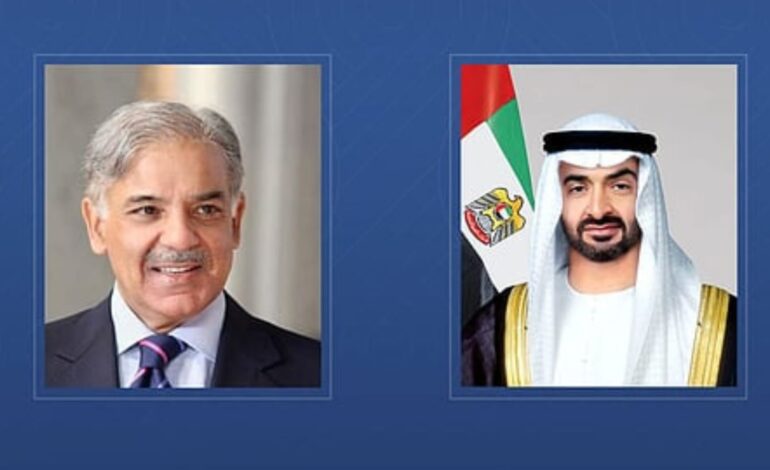

The United Arab Emirates and Pakistan have taken another step toward deepening their long-standing partnership after UAE President Sheikh Mohamed bin Zayed Al Nahyan and Pakistan Prime Minister Shehbaz Sharif held high-level talks focused on expanding economic and development cooperation.
The discussion underscored the shared commitment of both nations to strengthen bilateral ties, unlock new investment opportunities and advance joint strategic interests. The latest engagement highlights continued momentum in UAE-Pakistan relations at a time when both countries are prioritising trade expansion, foreign investment and long-term economic resilience.
Officials described the interaction as constructive and forward-looking, reflecting the depth and maturity of the partnership between Abu Dhabi and Islamabad.
Leaders Review Pathways for Stronger Bilateral Cooperation
During the high-level conversation, Sheikh Mohamed and Prime Minister Sharif reviewed multiple avenues to enhance bilateral cooperation and accelerate joint initiatives.
Key areas of discussion included:
-
Economic partnership development
-
Future investment opportunities
-
Strategic collaboration frameworks
-
Joint development priorities
-
Regional and global coordination
Both leaders explored ways to expand cooperation in a manner that supports sustainable growth and long-term prosperity for their respective populations.
Observers noted that such regular high-level engagements are critical in maintaining policy alignment and ensuring that political goodwill translates into tangible economic outcomes.
Reaffirming the Historic UAE-Pakistan Partnership
A central theme of the talks was the reaffirmation of the historic and multifaceted relationship between the UAE and Pakistan.
The two leaders emphasised their shared commitment to:
-
Strengthening long-standing ties
-
Leveraging emerging economic opportunities
-
Broadening cooperation frameworks
-
Supporting shared development goals
-
Enhancing people-to-people connections
The dialogue highlighted how the relationship has evolved over decades from traditional diplomatic engagement into a comprehensive strategic partnership.
The UAE and Pakistan have maintained close ties across political, economic and cultural dimensions, supported by strong trade flows and a large Pakistani expatriate community in the Emirates.
Strong Focus on Economic and Development Cooperation
Economic collaboration emerged as a major pillar of the discussions. Both sides signalled strong interest in expanding cooperation across key growth sectors.
Priority sectors likely to see increased focus include:
Trade and Investment
Both countries are exploring ways to boost bilateral trade volumes and encourage cross-border investment flows.
Infrastructure Development
Pakistan continues to seek international partnerships to upgrade transport, logistics and urban infrastructure.
Energy Cooperation
Potential collaboration in conventional energy, renewables and energy security remains an important area.
Logistics and Connectivity
Improving ports, aviation links and supply chain integration is a shared priority.
Technology and Innovation
Digital transformation, fintech and innovation ecosystems are emerging as new areas of interest.
Pakistan has increasingly looked toward Gulf partners for investment support as it works to strengthen economic stability. Meanwhile, the UAE views Pakistan as a strategically important South Asian partner with long-term growth potential.
Pakistan Praises UAE’s Continued Support
Prime Minister Shehbaz Sharif expressed deep appreciation for Sheikh Mohamed’s ongoing commitment to strengthening bilateral relations.
He highlighted the positive impact of UAE-backed developmental initiatives in Pakistan and noted that the partnership continues to show steady progress across multiple sectors.
Pakistani officials have repeatedly acknowledged the UAE’s financial assistance and strategic backing during challenging economic periods. This support has reinforced the importance of maintaining close cooperation between the two countries.
Areas Where UAE Support Has Been Notable
-
Development financing
-
Investment partnerships
-
Humanitarian assistance
-
Energy cooperation
-
Infrastructure support
Sharif’s remarks reflect Islamabad’s continued interest in expanding economic engagement with Gulf partners.
Exchange of Views on Regional and Global Issues
In addition to economic cooperation, the two leaders exchanged views on a range of regional and international developments.
While official details were not fully disclosed, such high-level discussions typically cover:
-
Regional stability dynamics
-
Global economic outlook
-
Energy market trends
-
Geopolitical developments
-
Areas of diplomatic coordination
This underscores the multi-dimensional nature of UAE-Pakistan relations, which extend well beyond trade into broader strategic dialogue.
Analysts say regular consultations between Gulf and South Asian partners help strengthen regional economic resilience and diplomatic coordination.
Why the Latest Talks Matter
The renewed engagement between the UAE President and Pakistan’s Prime Minister carries several important implications.
1. Strengthening Economic Momentum
Pakistan’s ongoing need for foreign investment aligns with the UAE’s strategy of expanding its global economic footprint. Deeper cooperation could unlock:
-
New bilateral investment projects
-
Expanded trade corridors
-
Joint infrastructure ventures
-
Private sector partnerships
2. Reinforcing Strategic Alignment
Frequent high-level communication signals strong political alignment and long-term commitment between the two countries.
This helps:
-
Build investor confidence
-
Reduce policy uncertainty
-
Accelerate project implementation
-
Strengthen diplomatic trust
3. Supporting Regional Stability
Closer coordination between Gulf and South Asian partners contributes to broader regional balance, particularly in trade, energy and financial cooperation.
Opportunities for Business and Investors
Improved UAE-Pakistan ties often translate into practical commercial opportunities.
Potential areas of growth include:
-
Increased bilateral trade flows
-
Joint ventures in infrastructure
-
Energy sector investments
-
Logistics and port development
-
Technology partnerships
-
Private equity and sovereign investment
For investors and multinational companies, such diplomatic momentum is often an early indicator of future deal flow and market expansion.
UAE-Pakistan Economic Ties in Context
The UAE remains one of Pakistan’s most important economic partners.
Key pillars of the relationship include:
Large Expatriate Community
Millions of Pakistani nationals live and work in the UAE, contributing significantly to both economies through remittances and labour participation.
Strong Trade Relationship
The UAE is consistently among Pakistan’s top trading partners in the Gulf region.
Investment Flows
UAE sovereign and private investors have been active in Pakistan’s banking, energy and infrastructure sectors.
Connectivity Links
Frequent aviation routes and maritime connections support robust commercial exchange.
Over time, cooperation has expanded into newer areas such as renewable energy, food security and digital infrastructure.
Expanding Cooperation Across Strategic Sectors
Analysts say the UAE-Pakistan partnership is entering a new phase focused on investment-driven growth and economic diversification.
Key sectors expected to drive future cooperation:
Banking and Finance
Cross-border financial collaboration and capital market engagement.
Energy and Renewables
Growing interest in solar, wind and energy transition projects.
Ports and Logistics
Pakistan’s strategic location offers opportunities for trade corridor development.
Aviation and Connectivity
Expansion of passenger and cargo links.
Food Security Initiatives
Agricultural cooperation and supply chain partnerships.
This sectoral diversification reflects the evolving nature of the bilateral relationship.
What to Watch Next
Following the latest high-level talks, observers will be closely monitoring several indicators.
Key developments to track:
-
New UAE investment announcements in Pakistan
-
Progress on joint economic projects
-
Growth in bilateral trade volumes
-
Expansion of development cooperation
-
Future high-level visits or agreements
-
Private sector partnership deals
If momentum continues, the UAE-Pakistan economic corridor could see heightened activity across multiple industries in the coming months.
Strategic Outlook
The current trajectory suggests both countries are committed to deepening their partnership through practical economic cooperation rather than purely symbolic diplomacy.
Several factors will shape the pace of progress:
-
Pakistan’s economic reform momentum
-
UAE global investment strategy
-
Regional geopolitical stability
-
Energy market dynamics
-
Private sector participation
Overall, the outlook for UAE-Pakistan economic ties appears positive, supported by strong political will on both sides.
Conclusion
The latest talks between UAE President Sheikh Mohamed bin Zayed Al Nahyan and Pakistan Prime Minister Shehbaz Sharif reinforce the strong and evolving partnership between the two nations.
With both leaders emphasising economic cooperation, investment expansion and long-term strategic alignment, the relationship appears poised to deepen further. The renewed focus on trade, infrastructure, energy and innovation reflects a shared ambition to translate diplomatic goodwill into measurable economic outcomes.
For businesses, investors and policymakers across the Middle East and South Asia, the strengthening UAE-Pakistan partnership remains a key trend to watch. As both countries continue to prioritise growth, connectivity and cooperation, their collaboration is likely to play an increasingly important role in shaping regional economic dynamics.