Iran, US Talks in Geneva Show Progress on Nuclear Principles

Diplomatic momentum has picked up after the United States and Iran reported progress in their latest round of Geneva nuclear talks. Officials from both sides confirmed agreement on a set of guiding principles that could shape a future nuclear deal. Although negotiators cautioned that a final agreement remains distant, the development has injected cautious optimism into a tense geopolitical environment.
The high stakes discussions, mediated by Oman, are being closely monitored by global powers, energy markets, and Middle East observers. Many analysts view the latest meeting as an important procedural step that keeps diplomacy alive at a time of rising regional pressure.
Constructive Talks but No Final Agreement Yet
Iran described the second round of indirect negotiations in Geneva as constructive. According to officials in Tehran, the discussions produced enough common ground for both parties to begin drafting texts toward a possible nuclear understanding.
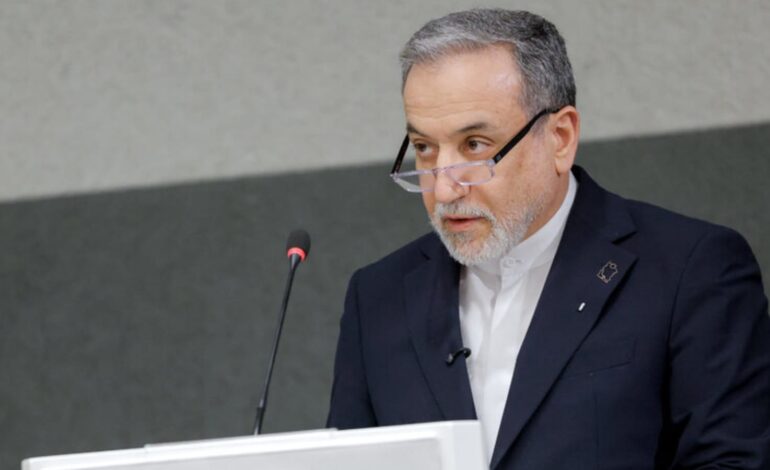
Foreign Minister Abbas Araghchi confirmed that negotiators had agreed on general principles that will guide the next phase of talks. However, he also stressed that significant technical and political work remains before any formal agreement can be reached.
Officials from Oman, which is facilitating the dialogue between Washington and Tehran, echoed this cautious tone. They acknowledged that progress had been made but emphasised that much work still lies ahead.
Notably, the latest meeting reportedly lasted just over two hours. While relatively brief, the session was seen as meaningful because it established a framework for continued engagement rather than allowing talks to stall.
Understanding the Importance of Guiding Principles
Agreement on guiding principles does not constitute a deal. Instead, it represents a preliminary framework that helps negotiators structure future discussions. In complex nuclear diplomacy, such procedural milestones often serve as confidence building measures.
By defining shared starting points, both sides can move into more detailed technical negotiations. This phase typically involves drafting language on enrichment limits, inspection mechanisms, and sanctions relief timelines.
Therefore, while the breakthrough may appear modest, diplomats often view this stage as essential for preventing talks from collapsing prematurely.
Major Differences Still Separate Washington and Tehran
Despite the positive diplomatic tone, substantial gaps remain between the United States and Iran. These differences are expected to shape the difficulty and duration of the upcoming negotiation rounds.
The United States is seeking
-
An end or sharp limitation of Iran uranium enrichment
-
Stronger nuclear monitoring and verification measures
-
Expanded safeguards to prevent future weaponisation
Iran is insisting on
-
Preserving its uranium enrichment capability
-
Keeping negotiations focused strictly on nuclear issues
-
Securing meaningful relief from United States sanctions
Tehran has also firmly rejected attempts by Washington to broaden the talks to include its missile programme or regional alliances. Iranian officials argue that such issues fall outside the scope of nuclear diplomacy.
Because these positions remain far apart, analysts expect the negotiation process to be technically complex and potentially lengthy.
Draft Texts to Be Prepared in Next Phase
As part of the agreed roadmap, both delegations will now begin preparing draft language for a potential agreement. These texts will form the basis of the next round of negotiations.
Iran signalled that it is ready to continue discussions with what officials described as an open mind, emphasising the importance of avoiding further escalation in the Middle East.
However, neither side has yet announced a confirmed date or venue for the next meeting. Diplomatic sources suggest that back channel consultations may continue in the interim.
The drafting phase will be particularly important because it often exposes hidden disagreements that are not immediately visible during political level discussions.
Talks Take Place Amid Rising Military Pressure
The diplomatic engagement is unfolding against a backdrop of heightened military tension across the region. This dual track of negotiation and deterrence underscores the fragile nature of the current progress.
Recent developments include
-
Increased United States military presence in the Middle East
-
Iranian military drills in Gulf waters
-
Temporary restrictions affecting parts of the Strait of Hormuz
-
Continued war rhetoric from both sides
Iranian leadership has warned Washington against what it describes as coercive pressure. Meanwhile, United States officials have maintained that all options remain available if diplomacy fails.
Because of this tense environment, even modest diplomatic progress is being viewed as significant by international observers.
Why the Nuclear Talks Matter Globally
The Iran United States nuclear issue remains one of the most consequential geopolitical flashpoints. The outcome of these negotiations could have wide ranging implications for global security and economic stability.
A successful agreement could
-
Ease tensions across the Middle East
-
Stabilise global oil markets
-
Reduce nuclear proliferation risks
-
Enable partial sanctions relief for Iran
-
Lower the probability of military confrontation
Conversely, failure could
-
Increase the risk of regional escalation
-
Trigger new rounds of sanctions
-
Heighten pressure on energy markets
-
Complicate diplomatic relations across the region
Because the stakes are so high, even incremental progress in Geneva is attracting intense international attention.
Energy Markets Watching Closely
Global energy markets are particularly sensitive to developments in the Iran United States nuclear file. Iran remains a major potential oil supplier, and any easing of sanctions could affect global supply dynamics.
Traders are closely monitoring signals related to possible sanctions relief. Even limited easing could allow additional Iranian crude to enter international markets.
At the same time, the Strait of Hormuz remains a critical chokepoint for global energy shipments. Any escalation in tensions could disrupt shipping flows and trigger price volatility.
For this reason, financial markets are treating the Geneva talks as an important risk indicator.
Expert Caution on Negotiation Timeline
Despite the cautiously positive tone, most analysts are urging patience. Comprehensive nuclear agreements historically require prolonged technical negotiations.
The 2015 nuclear accord, for example, took years of intensive diplomacy to finalise. Experts note that the current talks are still in an early procedural stage.
Some observers also point out that the relatively short duration of the Geneva session may indicate that major differences remain unresolved.
Nevertheless, the agreement on guiding principles is widely viewed as a meaningful step that prevents diplomatic momentum from stalling.
Role of Oman as Mediator
Oman continues to play a quiet but important role in facilitating communication between Washington and Tehran. The Gulf state has long been regarded as a trusted intermediary capable of maintaining dialogue channels even during periods of high tension.
By hosting and supporting indirect talks, Oman is helping both sides manage communication without requiring direct political engagement at every stage.
This mediation framework has historically been effective in keeping negotiations alive during sensitive periods.
Regional Reactions and Strategic Implications
Across the Middle East, governments are watching the talks closely. Many regional actors have a direct stake in the outcome, given the potential impact on security dynamics and energy flows.
Some Gulf countries cautiously welcome diplomatic engagement because reduced tensions could support regional stability. Others remain wary, particularly regarding the long term effectiveness of any future nuclear limits.
Meanwhile, European powers are also monitoring developments, as they were key participants in earlier nuclear negotiations.
What Happens Next in the Negotiation Process
Looking ahead, several indicators will help determine whether the current diplomatic opening gains traction.
Key developments to watch include
-
Exchange of detailed draft proposals
-
Announcement of the third negotiation round
-
Signals regarding sanctions relief mechanisms
-
Movement on uranium enrichment limits
-
Changes in regional military posture
Each of these steps will provide clues about whether both sides are prepared to move toward a substantive agreement.
Markets, policymakers, and security analysts will continue to track these signals closely in the coming weeks.
Conclusion
The latest Iran United States talks in Geneva have produced cautious optimism after both sides agreed on guiding principles for a potential nuclear agreement. Although the breakthrough is limited, it keeps diplomatic channels open at a time of rising regional tension.
Significant hurdles remain, particularly regarding uranium enrichment limits and sanctions relief. Therefore, the path toward a comprehensive deal is likely to be complex and time consuming.
Even so, the current progress represents a fragile but meaningful step toward possible de escalation. Whether it ultimately leads to a durable agreement will depend on the next rounds of detailed technical negotiations.
For now, the world will be watching closely as diplomacy continues to unfold in Geneva.