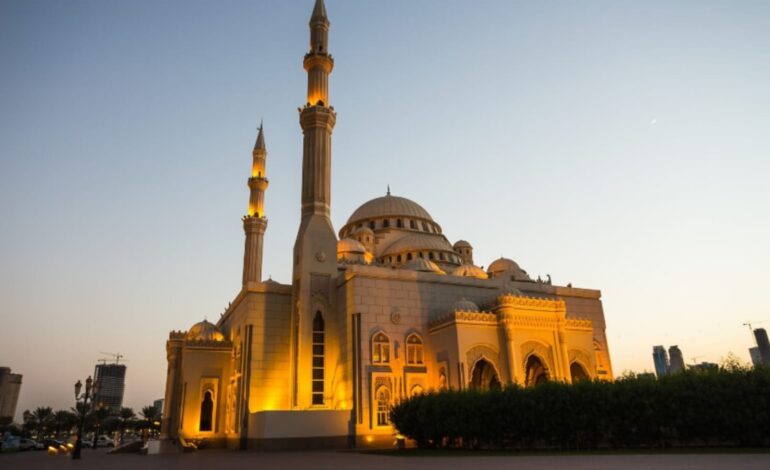

Dubai has expanded its religious infrastructure with the opening of 10 new mosques across the emirate, while five additional mosques are scheduled to be inaugurated during Ramadan. The move comes as authorities work to keep pace with rapid population growth and the increasing demand for accessible neighbourhood places of worship.
Led by the Islamic Affairs and Charitable Activities Department (IACAD), the initiative is designed to enhance community religious services, improve worship accessibility, and ensure the city is fully prepared for the busy Ramadan season. The expansion highlights Dubai’s proactive urban planning strategy, where spiritual infrastructure evolves alongside residential development.
Dubai Strengthens Worship Capacity Across the Emirate
Officials confirmed that the newly opened mosques will significantly boost worship capacity in Dubai, particularly during Ramadan, when attendance at mosques typically rises sharply.
During the holy month, mosques across the emirate experience increased participation in:
-
Taraweeh prayers
-
Late-night Qiyam prayers
-
Friday congregational prayers
-
Community charity initiatives
-
Quran study circles
By strategically placing new mosques in growing residential districts, authorities aim to reduce overcrowding, minimise travel time for worshippers, and create a more comfortable and accessible spiritual environment.
The expansion is especially important as Dubai continues to attract new residents and develop emerging neighbourhoods.
Mosques in Dubai Serve as Key Community Hubs
Authorities emphasised that mosques in the UAE function as more than just prayer spaces. They operate as vital community centres that support religious, educational, and social activities throughout the year.
Across Dubai, mosques regularly host:
-
Religious lectures and sermons
-
Quran education programmes
-
Charity drives and donation campaigns
-
Community gatherings
-
Ramadan iftar initiatives
Expanding mosque capacity ensures these services remain widely accessible as neighbourhood populations grow. Urban planners note that strengthening local religious infrastructure also promotes community cohesion and neighbourhood connectivity, both central to Dubai’s long-term development vision.
List of Newly Opened Mosques in Dubai
The Islamic Affairs and Charitable Activities Department confirmed that the following mosques have recently become operational:
-
Zamzam Mosque — Al Barsha South 2
-
Al Ghani Mosque — Airport City
-
Al Hadi Mosque — Wadi Al Safa 5
-
Hind Saif Al Ghurair Mosque — Al Khawaneej 2
-
Ali bin Abdullah Gargash Mosque — Umm Hurair 2
-
Al Walidain Mosque — Muhaisnah 2
-
Dr Hussain bin Ghatti Mosque — Nad Al Sheba 1
-
Amina bint Hamidan Mosque — Wadi Al Amardi
-
Khalifa bin Sultan Al Habtoor and Sons Mosque — Nad Al Hamar
-
Al Rahman Mosque — Umm Suqeim 2
Officials said these locations were carefully selected to improve neighbourhood-level access to mosques in Dubai, particularly in areas experiencing steady residential growth.
Five More Mosques to Open During Ramadan
In addition to the newly inaugurated facilities, IACAD has confirmed that five more mosques will open during Ramadan. The upcoming launches are expected to further strengthen prayer capacity during one of the busiest periods of the Islamic calendar.
Ramadan typically brings:
-
Higher nightly worship attendance
-
Increased mosque footfall
-
Expanded charity activities
-
Greater community engagement
Authorities expect the additional mosques to play a crucial role in managing peak Ramadan crowds and ensuring a smooth worship experience across the emirate.
Leadership Focus on Ramadan Readiness
Mohammed Jassim Al Mansoori, Director of Customer Service at IACAD, stated that the mosque openings reflect leadership priorities to facilitate religious practice and maintain high service standards.
According to officials, a comprehensive operational readiness plan is already in place covering:
-
Preventive maintenance
-
Cleanliness and hygiene
-
Crowd flow management
-
Parking coordination
-
Worshipper comfort measures
The objective is to ensure that mosques across Dubai provide safe, welcoming, and well-managed environmentsduring the Ramadan surge.
Supporting Dubai’s Rapid Population Growth
Dubai’s population has been expanding steadily, driven by economic development and new residential projects. Authorities said the mosque expansion programme is closely aligned with the emirate’s broader urban planning and community development strategy.
Key goals of the neighbourhood mosque model include:
-
Reducing travel time for daily prayers
-
Supporting older residents
-
Assisting people with mobility needs
-
Enhancing walkability within communities
-
Strengthening social connections
-
Improving overall quality of life
Urban planners say this integrated approach reflects Dubai’s vision of building self-sufficient, well-serviced residential communities.
Smart and Sustainable Mosque Management
Alongside physical expansion, the Islamic Affairs and Charitable Activities Department is continuing to modernise mosque operations through smart and sustainable technologies.
Ongoing upgrades focus on improving:
-
Energy efficiency
-
Digital service integration
-
Maintenance monitoring systems
-
Facility sustainability
-
Worshipper experience
Many newer mosques in Dubai now incorporate:
-
Advanced cooling systems
-
Water-efficient ablution facilities
-
Smart lighting controls
-
Digital scheduling tools
Officials say the goal is to create future-ready mosques in Dubai that combine tradition with innovation while supporting the emirate’s wider smart city ambitions.
Preparing for Increased Ramadan Footfall
With Ramadan approaching, authorities expect a significant rise in mosque attendance across the emirate. Historically, the holy month brings one of the highest annual peaks in religious activity in Dubai.
The newly opened mosques — along with the five upcoming facilities — are expected to:
-
Ease congestion in busy districts
-
Improve worshipper comfort
-
Support extended prayer schedules
-
Facilitate community programmes
-
Enhance overall service delivery
Proactive planning, officials say, is essential to maintaining Dubai’s high standards of public service during periods of heavy demand.
Wider Community Benefits of Mosque Expansion
Beyond meeting immediate worship needs, the mosque expansion initiative is expected to deliver broader social and urban benefits across Dubai.
Improved Accessibility
Locating mosques within residential neighbourhoods allows worshippers to attend daily prayers more conveniently.
Stronger Community Bonds
Mosques serve as gathering spaces that help strengthen neighbourhood relationships and foster social unity.
Better Support for Older Adults
Shorter travel distances particularly benefit older residents and people with limited mobility.
Expanded Religious Education
Additional mosque capacity enables more Quran classes, youth engagement programmes, and educational lectures.
Increased Charity Outreach
Ramadan charity campaigns and year-round humanitarian initiatives can reach a wider segment of the community.
Together, these outcomes support Dubai’s goal of building inclusive, connected communities.
Future Mosque Development in Dubai
Officials indicated that mosque development will remain a long-term priority as Dubai continues to grow. Future projects may include:
-
Expanded parking infrastructure
-
Enhanced accessibility features
-
Improved pedestrian connectivity
-
Greater smart technology integration
-
Additional sustainability measures
Authorities are expected to continue monitoring population trends and residential expansion patterns to guide future mosque placement.
Dubai’s Integrated Community Planning Model
The latest mosque expansion highlights Dubai’s balanced approach to development — one that combines rapid urban growth with strong community and spiritual infrastructure.
By embedding mosques within residential master plans, the emirate ensures that essential services remain close to residents. Urban development experts say this model has become a defining feature of Dubai’s long-term planning philosophy.
Conclusion: Dubai Reinforces Community and Worship Infrastructure
Dubai’s decision to open 10 new mosques and plan five more during Ramadan demonstrates the emirate’s forward-looking commitment to serving its growing population.
Through expanded worship capacity, improved neighbourhood access, and continued investment in smart mosque management, authorities are reinforcing the mosque’s central role in community life.
As Ramadan approaches, the enhanced network of mosques is expected to provide a smoother, more comfortable worship experience for thousands of residents across Dubai. The initiative supports both immediate religious needs and Dubai’s broader vision of building well-connected, inclusive, and spiritually supported communities.