
Tensions between Pakistan and Afghanistan’s Taliban government have sharply escalated, pushing the neighbours to the brink of open conflict after days of cross-border strikes, drone activity, and increasingly aggressive military warnings. The latest developments represent one of the most serious deteriorations in relations since the Taliban returned to power in Kabul in 2021.
Officials on both sides have exchanged strong accusations while military activity along the disputed Durand Line has intensified, raising fears of wider regional instability. Security analysts warn that the current cycle of retaliation could spiral further if diplomatic efforts fail to contain the crisis.
A Rapidly Deteriorating Security Situation
The Pakistan-Afghanistan relationship has long been fraught with mistrust, but recent events suggest a dangerous new phase. Unlike earlier tensions that largely involved militant groups operating across the border, the current confrontation increasingly resembles a state-to-state standoff.
In recent days, both countries have publicly hardened their positions. Pakistan has framed its actions as necessary counterterrorism operations, while Afghanistan’s Taliban authorities have described them as violations of sovereignty. The sharp divergence in narratives underscores how fragile bilateral ties have become.
What makes this moment particularly volatile is the speed of escalation. Air strikes, drone activity, and retaliatory fire have all occurred within a compressed timeframe, leaving little room for diplomatic cooling-off periods.
What Triggered the Latest Escalation
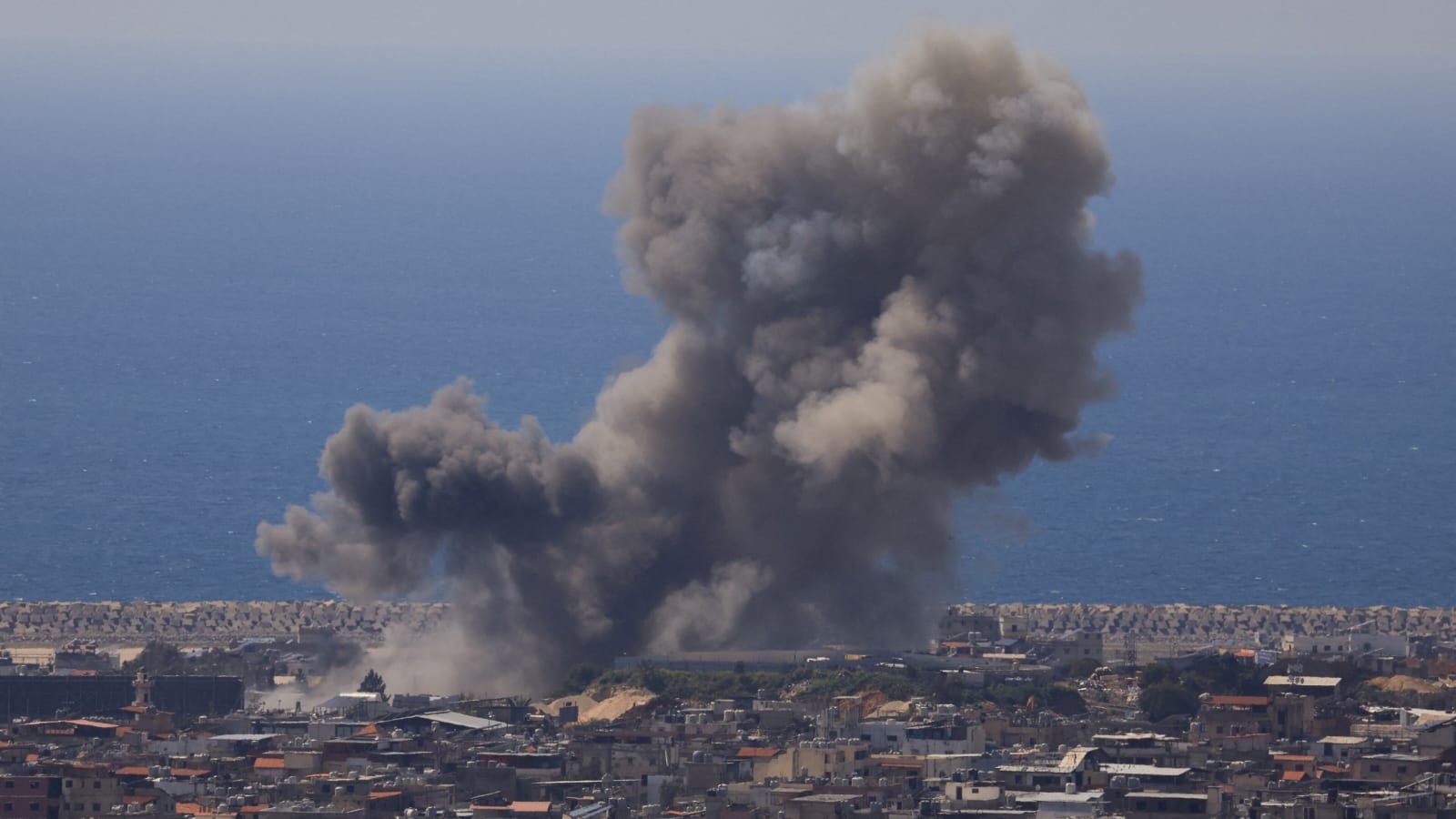
The current crisis was sparked by a series of violent incidents and retaliatory military moves. Pakistan launched air strikes targeting what it described as militant hideouts in eastern Afghanistan, particularly in Nangarhar and Paktika provinces.
Islamabad said the strikes were intelligence-based operations aimed at dismantling camps belonging to Tehreek-e-Taliban Pakistan (TTP) and ISIS-K. Pakistani officials argue that these groups have used Afghan territory to plan and launch attacks inside Pakistan, especially in Khyber Pakhtunkhwa and Balochistan.
However, Afghanistan’s Taliban government strongly condemned the strikes, calling them a clear violation of national sovereignty. Taliban officials also claimed that civilian areas were hit during the air raids, an allegation Pakistan has firmly denied.
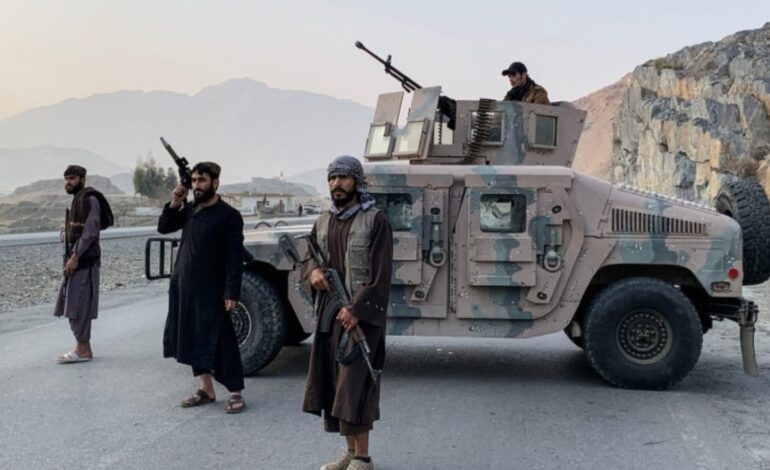
The situation escalated further when Afghan forces reportedly carried out retaliatory operations against Pakistani positions along the border. This tit-for-tat exchange quickly transformed what might have been a limited incident into a broader military confrontation.
Pakistan’s ‘Open War’ Warning
Rhetoric between the two sides intensified dramatically after Pakistan’s defence minister stated that the country was effectively in an “open war” situation with Afghanistan following the exchange of strikes.
The statement signalled how seriously Islamabad views the growing militant threat emanating from across the border. Pakistani officials have repeatedly warned that patience is running out over what they describe as Afghanistan’s failure to curb anti-Pakistan militant groups.
From Islamabad’s perspective, attacks inside Pakistan have surged since the Taliban takeover of Afghanistan in 2021. Officials argue that TTP fighters have found renewed space to regroup, recruit, and launch cross-border assaults.
Kabul, however, has categorically rejected these accusations. Taliban authorities insist they do not allow any group to use Afghan soil against neighbouring countries and have instead accused Pakistan of using force to shift blame for its internal security challenges.
The sharply contrasting narratives have deepened mistrust and narrowed the space for constructive dialogue.
Drone Activity Signals Tactical Shift
One of the most concerning aspects of the current crisis is the reported use of drones. Taliban authorities claimed they conducted drone strikes targeting Pakistani military sites, marking a potential evolution in the conflict’s technological dimension.
Pakistan responded by stating that its air defence systems successfully intercepted the drones, preventing any significant damage. Regardless of the immediate impact, the introduction of drones raises the stakes considerably.
Security experts note that drone usage can lower the threshold for escalation because it allows both sides to conduct strikes without deploying large troop formations. This can lead to more frequent and less predictable exchanges.
The growing sophistication of cross-border tactics suggests that future confrontations may become more complex and harder to contain.
The TTP Dispute at the Heart of the Crisis
At the core of the Pakistan-Afghanistan tensions lies the long-running dispute over Tehreek-e-Taliban Pakistan (TTP). Islamabad has consistently accused Afghanistan of harbouring the group, which has carried out numerous deadly attacks inside Pakistan.
Pakistan argues that since the Taliban’s return to power in Kabul, TTP fighters have enjoyed greater operational freedom. Officials say cross-border sanctuaries have enabled the group to regroup after earlier military setbacks.
The Taliban government denies providing safe haven to the TTP and insists it has taken steps to prevent cross-border militancy. Afghan officials have also counter-accused Pakistan of supporting rival militant factions hostile to the Taliban.
This blame game reflects deep structural mistrust that has defined Pakistan-Afghanistan relations for decades. Without a mutually accepted mechanism to address militant sanctuaries, the issue is likely to remain a persistent flashpoint.
Casualty Claims and Information Fog
Both sides have reported significant losses, though independent verification remains difficult due to restricted access in border regions.
Pakistan claims its strikes killed more than 130 Taliban operatives. Afghan officials, meanwhile, say they inflicted casualties on Pakistani forces during retaliatory operations.
Taliban sources have also reported civilian deaths resulting from Pakistani air raids a claim Islamabad strongly disputes. The conflicting narratives are typical of fast-moving border crises, where information warfare often accompanies military action.
For observers and international actors, the lack of reliable casualty data complicates efforts to assess the true scale of the confrontation.
Why the Durand Line Remains a Flashpoint
Most of the recent clashes are centred along the Durand Line, the disputed 2,600-kilometre border separating Pakistan and Afghanistan. The frontier has been a persistent source of friction since its creation in the late 19th century.
Several factors make the Durand Line particularly volatile:
-
Porous terrain: Mountainous geography allows militant groups to move across the border with relative ease.
-
Border recognition dispute: Afghanistan has historically questioned the legitimacy of the Durand Line as an international boundary.
-
Tribal and ethnic ties: Pashtun communities straddle both sides of the border, complicating enforcement.
-
Long-standing mistrust: Decades of mutual suspicion have hindered effective border coordination.
Security analysts say the rugged landscape makes full control extremely difficult for either country, ensuring that cross-border tensions remain a recurring risk.
Regional and Global Concerns Grow
The escalating confrontation is drawing increasing international concern because of its potential ripple effects across South Asia and beyond.
The United Nations and several global actors have urged both sides to exercise restraint and return to dialogue. Diplomatic observers warn that further escalation could destabilise an already fragile region dealing with multiple security and humanitarian pressures.
Key international concerns include:
-
Rising humanitarian risks in border communities
-
Potential disruption to regional trade routes
-
Increased militant spillover risks
-
Additional pressure on Pakistan’s western security front
-
Broader instability across South Asia
Given Afghanistan’s ongoing economic crisis and Pakistan’s internal security challenges, sustained conflict could worsen conditions on both sides of the border.
Why This Moment Is Especially Dangerous
Analysts believe several factors make the current crisis more serious than previous flare-ups.
First, the Taliban now control Afghanistan’s state apparatus. This means clashes are no longer primarily between Pakistan and non-state actors but increasingly resemble direct confrontations between two governing authorities.
Second, militant violence inside Pakistan has surged in recent months. This has increased domestic political pressure on Islamabad to take visible and forceful action against cross-border threats.
Third, both sides have demonstrated a willingness to escalate quickly using air power and drones. This shortens decision-making timelines and raises the risk of miscalculation.
Fourth, diplomatic trust between Kabul and Islamabad is at one of its lowest points in recent years. Without reliable communication channels, even minor incidents could spiral into larger confrontations.
Diplomatic Channels Remain Open — For Now
Despite the sharp rhetoric, there are still signs that both sides may want to avoid full-scale war.
Taliban officials have indicated openness to resolving tensions through dialogue, while regional mediators including Qatar are reportedly monitoring the situation closely. Behind-the-scenes contacts between intelligence and diplomatic officials are also believed to be ongoing.
However, de-escalation will not be easy. Domestic political pressures in both countries could push leaders toward tougher public positions, even if they privately prefer restraint.
Confidence-building measures, border coordination mechanisms, and credible action against militant groups will likely be essential for any lasting reduction in tensions.
What to Watch in the Coming Weeks
Security experts say the next few weeks will be critical in determining whether the crisis stabilises or escalates further. Key indicators to monitor include:
-
Whether cross-border air strikes continue
-
Movement of additional troops toward the frontier
-
Progress in diplomatic engagement through mediators
-
Activity levels of Tehreek-e-Taliban Pakistan militants
-
Signs of civilian displacement in border areas
-
Changes in drone or air defence activity
If the current cycle of retaliation continues unchecked, the confrontation could enter a more dangerous and sustained phase.
Outlook: A Fragile and Dangerous Moment
The latest Pakistan-Afghanistan tensions mark one of the most serious security crises in the region in recent years. Driven by disputes over militant sanctuaries, cross-border strikes, drone activity, and deep-rooted mistrust, the situation has escalated rapidly toward open confrontation.
While diplomatic off-ramps still exist, the combination of military pressure, political rhetoric, and unresolved militant disputes means the risk of further escalation remains high.
For South Asia and the wider region, the unfolding Pakistan-Afghanistan crisis is one to watch closely. Much will depend on whether both sides prioritise de-escalation or continue down a path that could push the region toward a broader and more dangerous conflict.