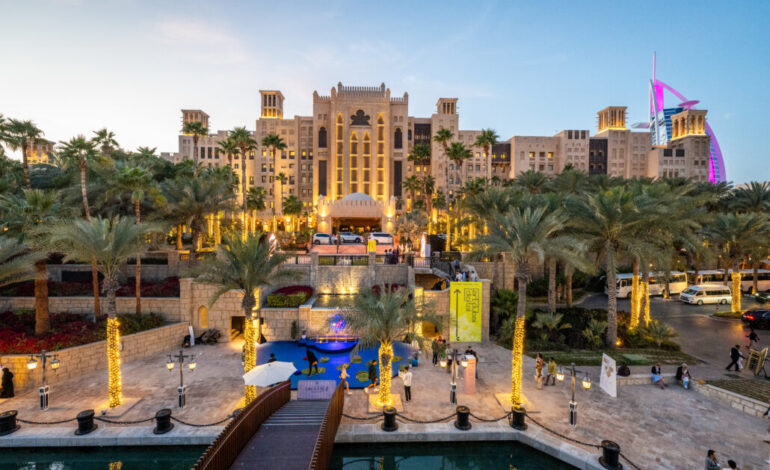

Dubai has long been synonymous with luxury shopping malls, iconic skyscrapers and record-breaking attractions. Yet beyond the glittering skyline, a quieter transformation is reshaping the emirate’s tourism identity. A new generation of community-driven creative hubs is emerging blending art, culture, dining, wellness and entertainment into immersive lifestyle destinations.
From waterfront promenades to vibrant neighborhood squares, Dubai’s evolving urban strategy is shifting tourism away from passive sightseeing toward meaningful, community-centered experiences. This movement aligns with the emirate’s broader ambition to become one of the world’s most liveable and culturally rich cities.
In this in-depth guide, we explore how Dubai’s community hubs are redefining tourism, why they matter for modern travelers and what they signal for the future of creative travel in the UAE.
The Rise of Community-Focused Tourism in Dubai
Global travel trends have changed dramatically over the past decade. Today’s tourists are no longer satisfied with simply ticking landmarks off a checklist. Instead, they seek authenticity, local culture and immersive environments.
Dubai has responded strategically by investing in multi-purpose community spaces that function as:
-
Cultural gathering venues
-
Lifestyle and dining districts
-
Wellness and fitness zones
-
Family-friendly entertainment hubs
-
Platforms for local artists and entrepreneurs
The objective is clear: transform tourism into an everyday lifestyle experience rather than a one-time visit.
Urban planners are aligning these developments with the Dubai Urban Plan 2040, which prioritises liveability, sustainability and community well-being. The result is a more human-centered tourism model that encourages repeat visits and longer stays.
Marsa Boulevard: Where Waterfront Meets Creative Energy


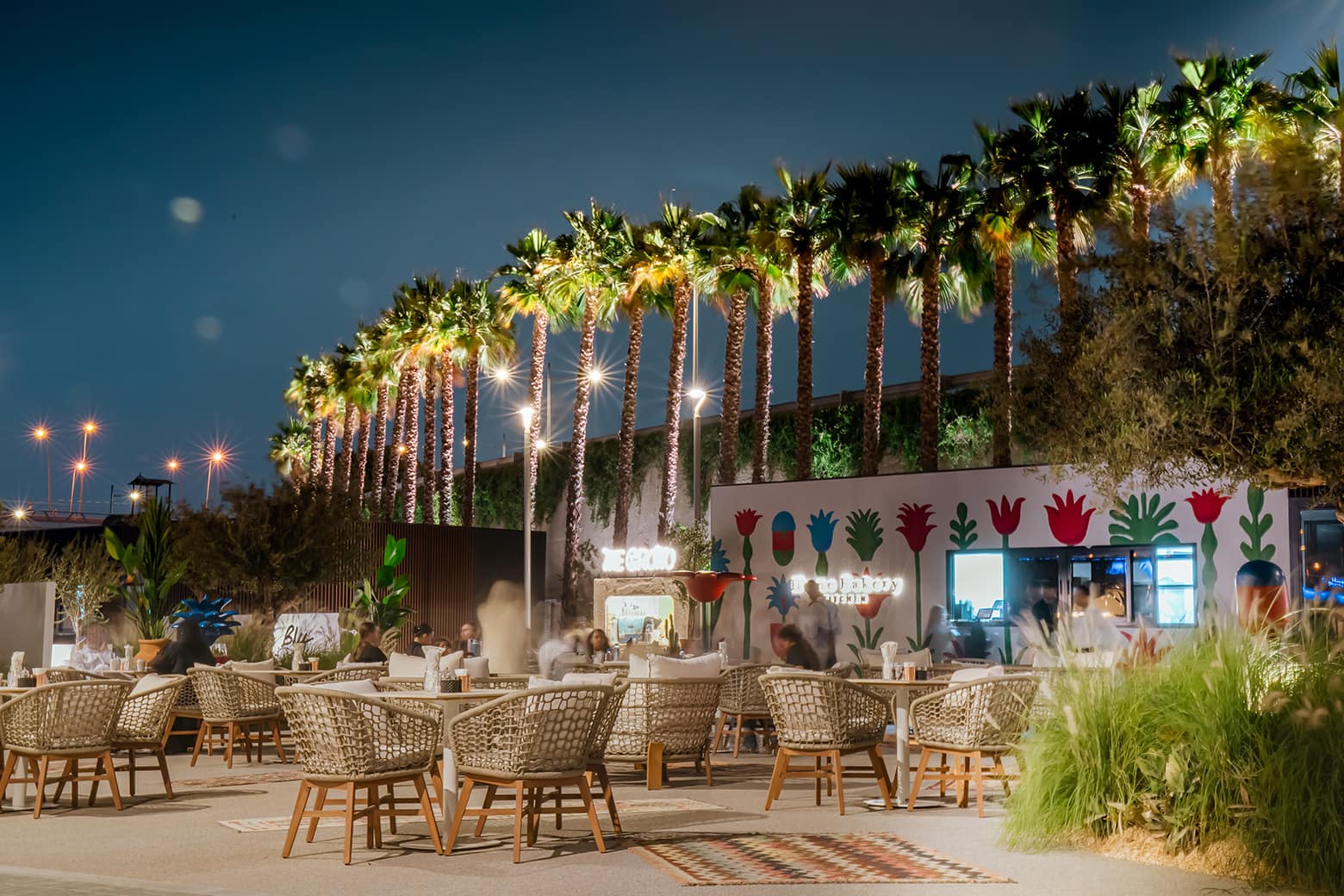
Key Highlights of Marsa Boulevard
Visitors to Marsa Boulevard can experience:
-
Scenic waterfront promenades
-
Rotating public art installations
-
Pop-up food concepts
-
Fashion and cultural activations
-
Live performances and weekend markets
The boulevard’s walkable design encourages slow exploration a deliberate shift from car-centric tourism patterns. Its open-air layout is particularly attractive during the UAE’s cooler winter months, when outdoor social life flourishes.
Event Programming Drives Repeat Visits
What truly differentiates Marsa Boulevard is its dynamic programming. Rather than remaining static, the space evolves continuously through:
-
Interactive workshops
-
Temporary exhibitions
-
Cultural festivals
-
Immersive light displays
-
Seasonal markets
This constant refresh keeps the destination “repeat-worthy,” encouraging both residents and tourists to return frequently a key goal of Dubai’s new tourism model.
Culinary Experiences at the Core
Food has become a central pillar of Dubai’s community hubs, and Marsa Boulevard is no exception. The destination blends global flavours with regional influences to create a diverse culinary landscape.
Visitors can expect:
-
International cafés
-
Heritage-inspired Emirati dishes
-
Modern fusion cuisine
-
Gourmet pop-up kiosks
-
Seasonal dining concepts
During Ramadan and winter festivals, curated iftar and suhoor experiences significantly boost footfall, adding cultural depth to the destination.
This strong food focus reflects a global tourism trend: travelers increasingly choose destinations based on culinary experiences.
The Square at Nad Al Sheba: A New Lifestyle Landmark


Another major force in Dubai’s community hub movement is The Square at Nad Al Sheba Parks. Opened in late 2024, this approximately 21,000-square-metre destination represents the next evolution of neighborhood lifestyle planning.
What Makes The Square Unique
The Square integrates multiple lifestyle elements into one cohesive, walkable environment:
-
Cluster of popular local restaurants
-
Professional padel tennis courts
-
Yoga and fitness studios
-
Family entertainment zones
-
Landscaped water features
-
Enhanced parking and accessibility
The concept is built around three pillars of modern urban living:
-
Convenience
-
Social interaction
-
Wellness integration
This holistic approach reflects how tourism and daily life are increasingly overlapping in Dubai’s urban strategy.
Strong Visitor Response
Since launch, The Square has attracted significant interest from both residents and international visitors. Its success confirms rising demand for destinations that feel local, social and experience-driven rather than purely touristic.
Why Community Hubs Matter for Modern Travelers
Dubai’s creative hubs are more than aesthetic upgrades they represent a structural shift in tourism philosophy.
1. From Landmarks to Lifestyles
Traditional tourism focused on iconic attractions. Today’s travelers want to live the city, not just photograph it.
Community hubs allow visitors to:
-
Eat where locals eat
-
Attend authentic cultural events
-
Join workshops and classes
-
Experience neighborhood life
This creates deeper emotional engagement a key driver of repeat tourism.
2. Year-Round Engagement
Unlike one-time attractions, community hubs remain active throughout the year thanks to rotating programming.
Benefits include:
-
Consistent footfall
-
Repeat visitation
-
Seasonal adaptability
-
Stronger local participation
This model supports more sustainable tourism growth.
3. Boost to the Creative Economy
Dubai has been steadily investing in its creative industries. Established districts like Alserkal Avenue in Al Quoz already demonstrate the economic power of art ecosystems.
Community hubs extend this creative energy into everyday public spaces by:
-
Providing platforms for emerging artists
-
Hosting design markets
-
Supporting small food entrepreneurs
-
Encouraging cultural collaborations
This diversification strengthens Dubai’s cultural brand globally.
4. Family-Friendly Urban Living
Dubai’s new destinations are deliberately inclusive and family-oriented. Common features include:
-
Safe pedestrian layouts
-
Open-air play areas
-
Wellness facilities
-
Diverse dining options
-
Community event programming
This broad appeal helps attract both tourists and long-term residents a strategic win for the city.
Alignment with Dubai’s Long-Term Vision
These community hubs are not isolated projects. They form part of a carefully coordinated urban strategy aimed at enhancing Dubai’s global competitiveness.
Strategic Goals Behind the Development
Dubai’s leadership aims to:
-
Enhance urban beauty and visual harmony
-
Improve overall quality of life
-
Promote social cohesion
-
Strengthen domestic tourism
-
Position Dubai as a global creative capital
Community destinations directly support these ambitions and complement national campaigns such as the UAE’s World’s Coolest Winter initiative.
The Winter Advantage: Outdoor Living at Its Best
Dubai’s mild winter climate plays a crucial role in the success of open-air community hubs.
During cooler months, these spaces become social magnets by offering:
-
Outdoor markets
-
Waterfront dining
-
Cultural performances
-
Fitness events
-
Festival-style programming
This seasonal surge significantly boosts tourism inflows and local engagement, reinforcing Dubai’s reputation as a premier winter destination.
Design Philosophy Behind Dubai’s New Hubs
A closer look at these developments reveals several shared design principles.
Walkability First
Modern Dubai projects prioritise pedestrian movement. Wide promenades, shaded pathways and interconnected zones encourage visitors to explore on foot and stay longer.
Mixed-Use Integration
Instead of separating dining, retail, wellness and entertainment, the new model blends them into one seamless environment — increasing dwell time and visitor satisfaction.
Instagram-Ready Aesthetics
Visual storytelling is now central to tourism marketing. Designers incorporate:
-
Mirror installations
-
Artistic lighting
-
Statement sculptures
-
Coordinated landscaping
These features generate organic social media promotion.
Flexibility and Pop-Up Culture
Temporary installations and rotating vendors allow destinations to evolve continuously without major structural changes. This keeps experiences fresh and adaptable.
Impact on Dubai’s Global Tourism Position
Dubai is already a heavyweight in international tourism. However, community-centric developments add a powerful new competitive edge.
Key Strategic Benefits
Stronger repeat tourism: Visitors have more reasons to return beyond iconic landmarks.
Longer average stays: Lifestyle districts encourage slower, experience-based travel.
Broader audience appeal: From art lovers to fitness enthusiasts.
Enhanced city branding: Dubai is increasingly seen as creative, not just luxurious.
Tourism analysts believe this shift will help future-proof the emirate against changing global travel preferences.
Challenges and Considerations
While the model shows strong promise, sustaining momentum requires careful management.
Programming Consistency
Community hubs must maintain frequent, high-quality events to keep visitors engaged.
Balancing Commercial and Cultural Identity
Over-commercialisation could dilute the authentic community feel that makes these spaces attractive.
Climate Adaptation
Summer usability remains a key design challenge. Future success will depend on:
-
Advanced shading
-
Cooling technologies
-
Indoor-outdoor hybrid spaces
Dubai developers are already experimenting with climate-responsive design solutions.
What This Means for the Future of Tourism
Dubai’s community hubs offer a glimpse into the future of urban tourism not just regionally but globally.
Emerging Trends to Watch
-
More neighborhood lifestyle districts
-
Greater integration of public art
-
Expansion of wellness tourism
-
Increased support for local creatives
-
Smarter, human-centered urban planning
As cities worldwide compete in the experience economy, Dubai’s model is increasingly viewed as a potential global benchmark.
Final Thoughts: A New Chapter in Dubai Tourism
Dubai is entering a transformative phase in its tourism evolution. By investing in community-driven creative spaces like Marsa Boulevard and The Square at Nad Al Sheba, the emirate is moving beyond spectacle toward meaningful urban experiences.
These hubs successfully combine:
-
Art
-
Food
-
Wellness
-
Entertainment
-
Social interaction
The result is a more immersive, human-centered tourism model that benefits visitors, residents and the broader creative economy alike.
For travelers seeking deeper cultural engagement and for cities looking to future-proof their tourism strategies — Dubai’s community hubs provide a compelling blueprint for the future of global travel.