

OPEC+ has agreed to increase oil production by 206,000 barrels per day (bpd) starting in April, aiming to stabilise markets as escalating tensions involving Iran heighten concerns about global energy supply routes.
At present, the decision comes at a highly sensitive moment for oil markets. Shipping risks in the Strait of Hormuz are rising, while geopolitical uncertainty is driving fresh volatility. Therefore, the producer group is attempting to balance market stability with the growing risk of supply disruption across the Middle East.
Although the increase is slightly higher than many analysts expected, experts warn it may still fall short if regional tensions continue to intensify.
What OPEC+ Decided
The eight key members participating in voluntary cuts agreed to resume the unwinding of earlier production curbs by adding 206,000 bpd from April. Importantly, the move forms part of the phased rollback of the 1.65 million bpd voluntary cuts announced earlier.
According to the alliance, the decision followed one of its most consequential meetings in recent years. Moreover, the group emphasised that it will continue to monitor market conditions closely.
Previously, many analysts had predicted a smaller increase of around 137,000 bpd. However, more aggressive proposals had also been discussed. As a result, the final figure represents a middle-ground approach designed to support supply without overwhelming the market.
Why the Decision Matters Now
Timing is especially critical. Currently, the Middle East is facing one of its most serious security escalations in decades.
Recent developments include:
-
US and Israeli strikes on Iran
-
Iranian retaliation across the region
-
Rising threats to tanker traffic
-
Heightened military alert levels
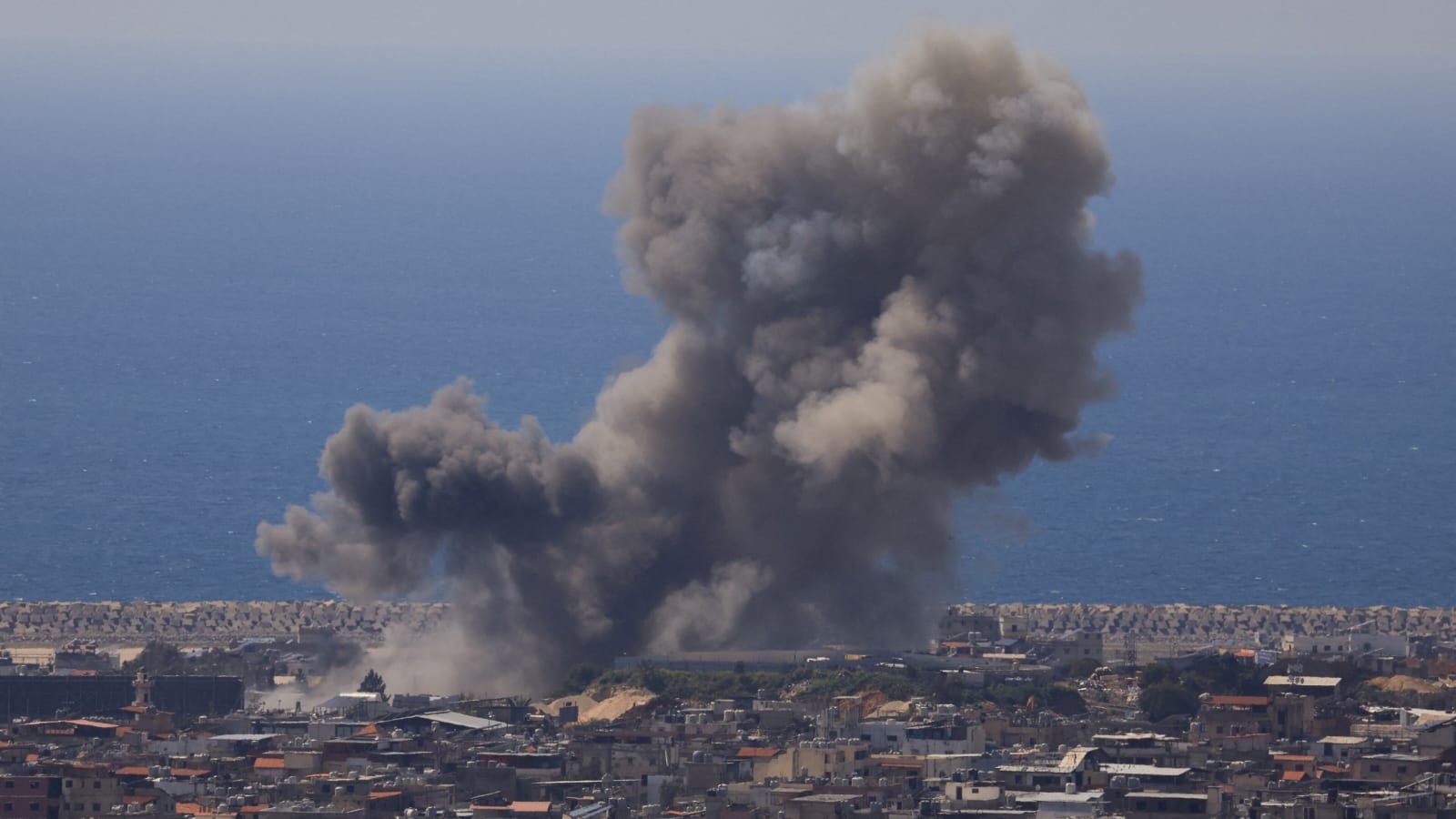
Consequently, these tensions have already begun to disrupt oil flows and shipping confidence. In turn, supply security has become a central concern for global markets.
Furthermore, energy traders are increasingly pricing in geopolitical risk premiums. Even limited disruptions can have outsized effects on prices.
Strait of Hormuz in Focus
One of the biggest risks facing global energy markets is potential disruption in the Strait of Hormuz, a vital chokepoint for oil exports.
Why the waterway is critical
Roughly one-fifth of the world’s seaborne oil passes through the strait. Therefore, any instability in this narrow corridor can quickly ripple through global markets.
Recently, tensions have:
-
Slowed tanker traffic
-
Raised insurance costs
-
Increased shipping risk premiums
-
Triggered market volatility
Notably, analysts stress that a full closure is not required to disrupt markets. Instead, even heightened perceived risk can significantly impact crude flows.
Spare Capacity Concentrated in Gulf Producers
Another key factor behind the modest output increase is the limited spare capacity among many OPEC+ members.
At the moment, most of the group’s usable spare capacity is concentrated in:
-
Saudi Arabia
-
The United Arab Emirates
Meanwhile, many other producers have limited ability to ramp up output quickly. Because of this structural constraint, the alliance must carefully balance supply support with market stability.
Therefore, the relatively measured production boost reflects both caution and practical limitations.
Markets React to Rising Uncertainty
Oil prices have already been moving higher as geopolitical risk premiums return to the market. Recently, Brent crude has surged toward the $80 per barrel range, reflecting fears of potential supply disruption.
In addition, volatility in energy futures has increased noticeably. Traders are also paying closer attention to tanker insurance costs and freight rates.
Crucially, in energy markets, logistics and transit risk often matter more than headline production numbers. For this reason, developments in the Gulf are currently exerting outsized influence on price expectations.
Analysts Say Increase May Be Insufficient
Despite the output boost, several energy experts caution that 206,000 bpd is relatively small compared with potential disruption scenarios.
Key concerns include:
-
The increase equals less than 0.2% of global supply
-
Transit risks may outweigh production gains
-
Shipping bottlenecks could persist
-
Market sentiment remains highly sensitive
Therefore, if tensions escalate further, prices could still climb significantly. In fact, some analysts argue that the market is now more sensitive to shipping security than to production quotas.
Strategic Signalling by OPEC+
Beyond the physical barrels, the decision sends an important strategic signal. Essentially, OPEC+ appears to be demonstrating both responsiveness and restraint.
The group is:
-
Demonstrating market responsiveness
-
Maintaining policy flexibility
-
Avoiding overcorrection
-
Preserving spare capacity
Importantly, OPEC+ said it retains full flexibility to increase, pause or reverse the production unwind depending on market conditions. This optionality is particularly valuable in a fast-moving geopolitical environment.
Impact on Gulf Energy Flows
So far, Gulf oil infrastructure has largely remained intact. Nevertheless, shipping risks have increased noticeably.
Reports indicate:
-
Some Iraqi exports have been affected by shipping disruptions
-
Tanker traffic has slowed on key routes
-
Insurance costs are rising
-
Maritime security is tightening
As a result, energy traders are closely watching whether disruptions remain temporary or become prolonged.
What This Means for the UAE and Saudi Arabia
For major Gulf producers, the current situation presents both risks and opportunities.
Potential upside
First, higher oil prices support government revenues. Additionally, spare capacity provides significant strategic leverage. Moreover, market share opportunities may emerge if competitors face disruptions.
Key risks
However, the region also faces meaningful challenges:
-
Shipping disruptions
-
Rising regional security costs
-
Heightened market volatility
-
Increasing insurance and logistics pressures
Ultimately, both Saudi Arabia and the UAE remain central to any global supply stabilisation effort.
Broader Global Implications
The OPEC+ move highlights how tightly energy markets are linked to geopolitics. If tensions escalate further, several global impacts could follow.
Potential consequences include:
-
Higher fuel prices worldwide
-
Renewed inflationary pressure
-
Increased shipping costs
-
Supply chain disruptions
-
Financial market volatility
Meanwhile, energy-importing countries particularly in Asia are watching developments closely.
What Happens Next
Looking ahead, several critical factors will determine market direction in the coming weeks.
Key watch points
-
Status of Hormuz shipping
-
Iran’s next moves
-
US military posture
-
OPEC+ April meeting outcomes
-
Global demand trends
OPEC+ is scheduled to meet again soon and has signalled it could adjust policy if conditions change.
OPEC+’s decision to increase output by 206,000 bpd reflects a cautious attempt to stabilise markets amid one of the most volatile geopolitical environments in recent years.
While the additional supply offers some reassurance, analysts widely agree that the real driver of oil prices will be the security of Middle East shipping routes, particularly the Strait of Hormuz.
For now, the energy market remains on edge. Consequently, traders, governments and producers are all watching the Gulf situation extremely closely.



1 Comment
[…] response to mounting uncertainty, OPEC+ recently agreed to increase production by 206,000 barrels per day starting in April. The move was […]
Comments are closed.