
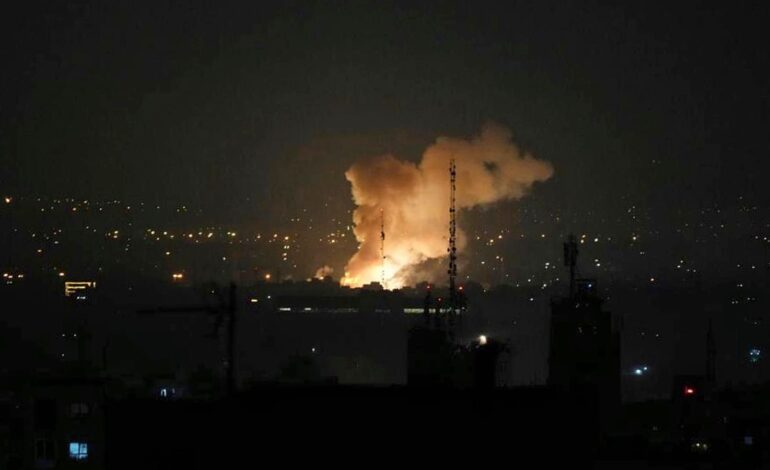

The Middle East has entered a dangerously volatile phase after coordinated US–Israel military strikes on Iran triggered widespread retaliation threats, emergency measures, and rising global concern. The rapidly evolving situation is reshaping regional security calculations, disrupting air travel, and heightening fears of a broader conflict.
At the same time, tensions across the region have surged sharply following the latest wave of strikes, marking one of the most serious escalations in recent years. The coordinated military action has already prompted strong warnings from Tehran, emergency preparedness in Israel, and heightened security alerts across the Gulf.
Meanwhile, global markets, airlines, and governments are closely monitoring developments. As military activity intensifies and diplomatic channels come under strain, the coming days are widely seen as critical for regional stability.
What Happened in the Latest Strikes
The latest escalation stems from a coordinated military campaign launched by Israel with reported support from the United States targeting Iranian military infrastructure.
According to Israeli officials, large-scale strikes were carried out on Tehran as part of an ongoing effort to degrade Iranian military capabilities. Notably, the offensive follows an earlier phase of attacks known as Operation Lion’s Roar, which involved air and missile strikes on multiple Iranian locations, including sites in and around the capital.
Key reported targets included:
-
Military facilities
-
Air defence systems
-
Fighter jet infrastructure
-
Strategic security sites
According to military statements, the primary objective was to weaken Iran’s operational capacity and reduce perceived threats posed by its regional military network. However, the full scope of the operation is still being assessed.
Casualties and Damage Reports
Preliminary casualty figures remain fluid and contested. Early reports indicate significant losses in Iran, with hundreds reportedly killed across the wider wave of strikes and retaliatory actions.
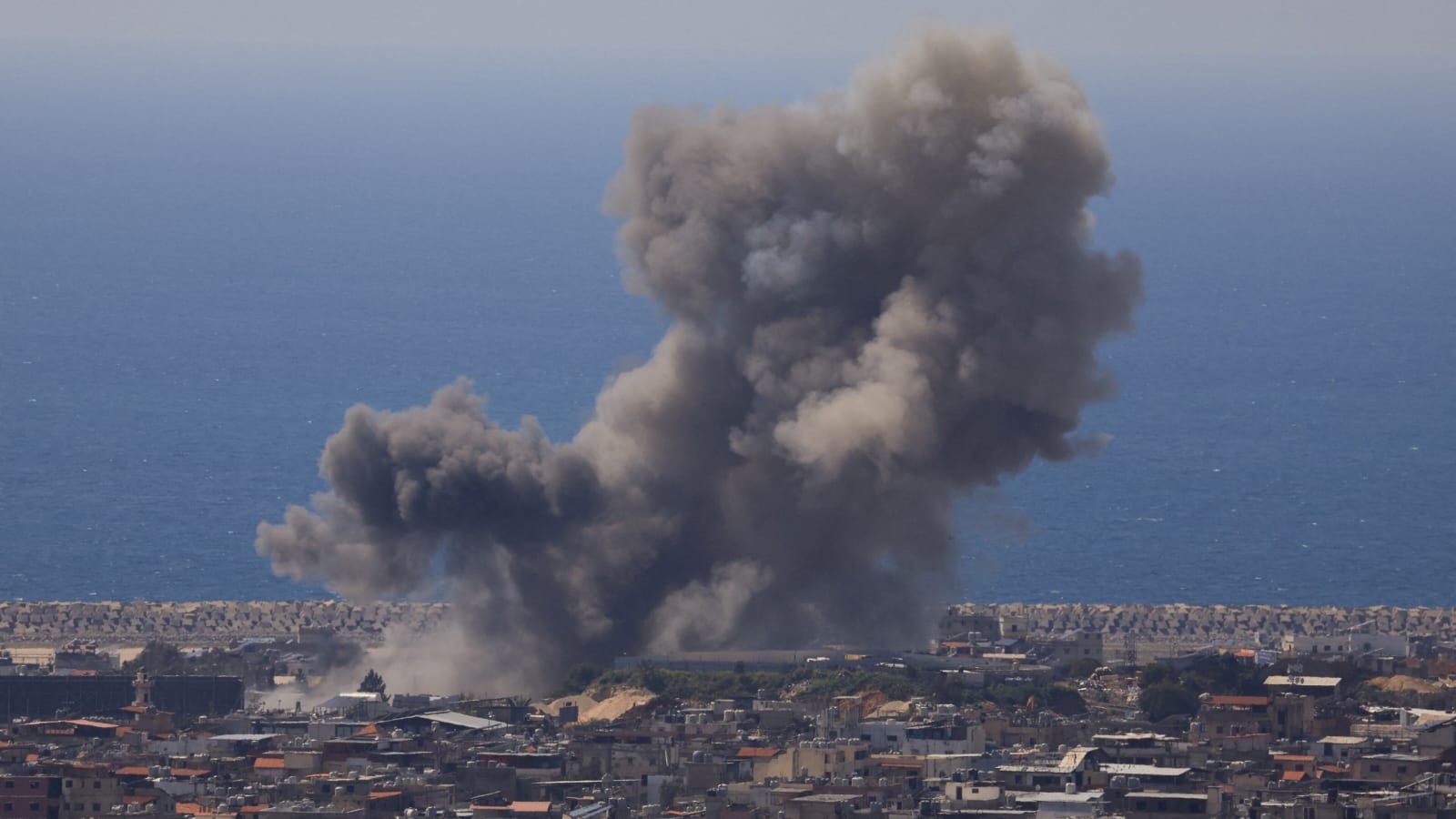
In addition, satellite imagery and local footage have shown:
-
Large smoke plumes over Tehran
-
Damage to military-linked infrastructure
-
Emergency response operations across affected areas
Nevertheless, independent verification of the full scale of destruction is still ongoing. Therefore, analysts caution that confirmed numbers may evolve in the coming days.
Iran’s Response and Retaliation Threat
Iran has strongly condemned the attacks and warned of serious consequences. Within hours of the strikes, Iranian officials accused Washington and Tel Aviv of direct aggression.
Immediate Iranian actions reportedly included:
-
Military forces placed on high alert
-
Expanded missile and drone readiness
-
Heightened defensive posture across key installations
Subsequently, reports indicated retaliatory missile and drone activity across parts of the region, with loud explosions heard in multiple locations. Although the full extent of Iran’s response remains unclear, Tehran has signalled that further retaliation remains possible if attacks continue.
As a result, the risk of a sustained tit-for-tat cycle has increased significantly.
Regional Shockwaves and Security Alerts
The crisis has already produced ripple effects across the Middle East. Governments throughout the region have begun implementing precautionary measures amid fears of spillover.
Israel Declares Emergency Measures
In response to the heightened threat environment, Israel moved quickly to implement nationwide emergency precautions. Authorities cited a high probability of attacks on civilian areas.
Measures have included:
-
Restrictions on large public gatherings
-
Heightened border security
-
Increased military mobilisation
-
Expanded hospital and emergency preparedness
Taken together, these steps underline how seriously Israeli officials view the risk of escalation.
Gulf States on High Alert
Across the Gulf, governments are closely monitoring the situation. In several countries, authorities have begun reviewing air defence readiness and contingency planning.
Importantly, the UAE and neighbouring states remain particularly sensitive to missile and drone risks due to previous episodes of regional spillover. Consequently, airspace monitoring and security coordination have intensified.
At present, there are no confirmed major disruptions to Gulf infrastructure. However, vigilance levels remain elevated.
Impact on Global Markets and Energy
The confrontation is also rattling global energy markets. Because the Middle East remains central to global oil supply, even limited instability can trigger price volatility.
Key market concerns include:
-
Potential disruption to oil shipping routes
-
Risks to Gulf energy infrastructure
-
Rising insurance costs for shipping and aviation
-
Increased volatility in crude prices
In particular, the Strait of Hormuz remains a critical chokepoint that investors are watching closely. Any credible threat to this route could have major global economic consequences.
As tensions rise, energy traders have already begun pricing in higher geopolitical risk premiums.
Why This Escalation Is Different
Although tensions between Iran and Israel have simmered for years, analysts say the current phase is more dangerous for several structural reasons.
1. Direct State-Level Confrontation
Previously, much of the confrontation occurred through proxy groups. Now, however, direct strikes on Iranian territory have significantly raised the stakes.
2. Reported US Involvement
The reported role of the United States adds a global dimension to the crisis. Consequently, the risk of broader geopolitical fallout has increased.
3. Rapid Retaliation Cycle
Another concern is the speed of responses from both sides. Because decision windows are shrinking, opportunities for de-escalation may be limited.
4. Regional Spillover Risk
With missiles, drones, and proxy networks involved, the probability of accidental or indirect escalation affecting Gulf countries has risen. Therefore, regional security planners are preparing for multiple contingencies.
Diplomatic Efforts and Global Reaction
International reaction has been swift. Major powers and multilateral organisations have issued calls for restraint and de-escalation.
Global appeals have focused on:
-
Immediate restraint by all parties
-
Protection of civilian populations
-
Avoidance of further military escalation
-
Return to diplomatic dialogue
However, despite these calls, diplomatic pathways remain uncertain. As long as military activity continues, prospects for rapid de-escalation appear limited.
Aviation and Travel Disruptions
Airlines across the Middle East are already adjusting routes in response to the evolving security environment.
Potential aviation impacts include:
-
Flight diversions
-
Temporary airspace closures
-
Higher ticket prices
-
Rising insurance costs
Historically, the aviation sector reacts quickly to regional conflict risk. Therefore, further disruptions cannot be ruled out if tensions intensify.
For travellers and logistics firms, route uncertainty is becoming an increasing concern.
What Happens Next: Key Scenarios
Security analysts are closely watching several possible trajectories for the crisis.
Scenario 1: Limited Containment
In the most optimistic case, both sides may limit further escalation and shift toward indirect pressure. Under this scenario, markets could stabilise relatively quickly.
Scenario 2: Continued Tit-for-Tat Strikes
Alternatively, a controlled cycle of retaliation could persist. If this occurs, markets and regional security conditions would likely remain on edge for an extended period.
Scenario 3: Regional Expansion
The worst-case scenario involves wider regional involvement through proxies or direct strikes affecting additional countries. In that case, energy markets and global risk assets could face significant volatility.
At present, the trajectory remains highly uncertain.
What This Means for the UAE and the Gulf
For the UAE and neighbouring Gulf states, the situation is being monitored with extreme caution.
Key regional concerns include:
-
Airspace safety
-
Energy market stability
-
Investor confidence
-
Broader regional security risks
Typically, Gulf countries maintain layered air defence systems and contingency plans for such scenarios. Nevertheless, prolonged instability could still weigh on investor sentiment and regional logistics.
Investor and Business Outlook
Financial markets historically react quickly to Middle East geopolitical shocks. In the near term, businesses and investors should monitor several key indicators.
Critical market signals to watch:
-
Oil price volatility
-
Shipping insurance costs
-
Aviation disruptions
-
Currency movements
-
Defence sector activity
Over the longer term, much will depend on whether the crisis stabilises or escalates further. For now, risk premiums across energy and transport sectors are likely to remain elevated.
The latest US–Israel strikes on Iran have pushed Middle East tensions into a highly sensitive and potentially dangerous phase. With retaliatory threats mounting, emergency measures expanding, and global concern rising, the region stands at a pivotal moment.
While full-scale war is not inevitable, the overall risk environment has clearly intensified. Consequently, governments, investors, airlines, and energy markets are all watching closely for the next signals from Washington, Tel Aviv, and Tehran.
Ultimately, the coming days could prove decisive. If diplomacy gains traction, tensions may stabilise. However, if the cycle of retaliation continues, the Middle East and global markets could face a period of sustained volatility.





2 Comments
[…] Israeli strikes came shortly after Hezbollah fired missiles and drones toward Israel. According to the Iran-backed […]
[…] escalation began with coordinated US–Israeli military strikes on Iranian targets, reportedly code-named Operation Lion’s Roar. According to official […]
Comments are closed.