
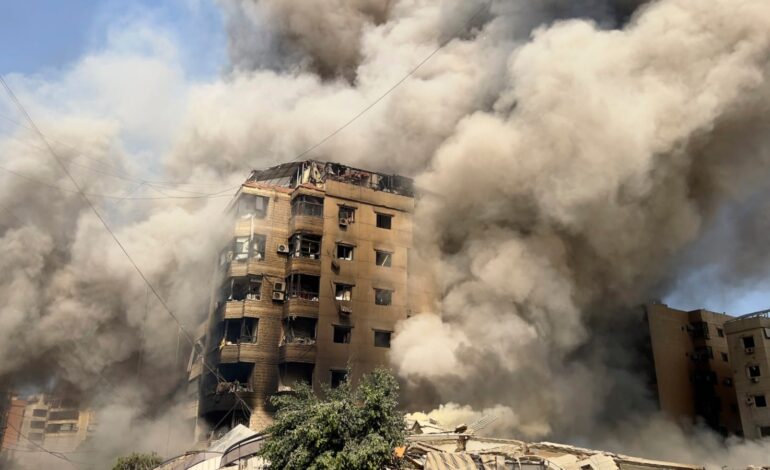

Tensions in the Middle East have surged once again after Israel launched air strikes on Beirut’s southern suburbs following a retaliatory attack by Hezbollah. The exchange marks a dangerous new phase in the widening regional crisis linked to the fallout from the reported killing of Iran’s Supreme Leader.
At the same time, the latest strikes have intensified fears of a broader conflict spreading across Lebanon, Israel and the wider Gulf region. With multiple fronts already active, analysts warn the situation remains highly volatile and unpredictable.
As military activity accelerates and diplomatic channels strain, the coming days are expected to be critical for regional stability.
What Triggered the Latest Escalation
The Israeli strikes came shortly after Hezbollah fired missiles and drones toward Israel. According to the Iran-backed group, the attack was carried out in retaliation for the killing of Iran’s Supreme Leader Ayatollah Ali Khamenei.
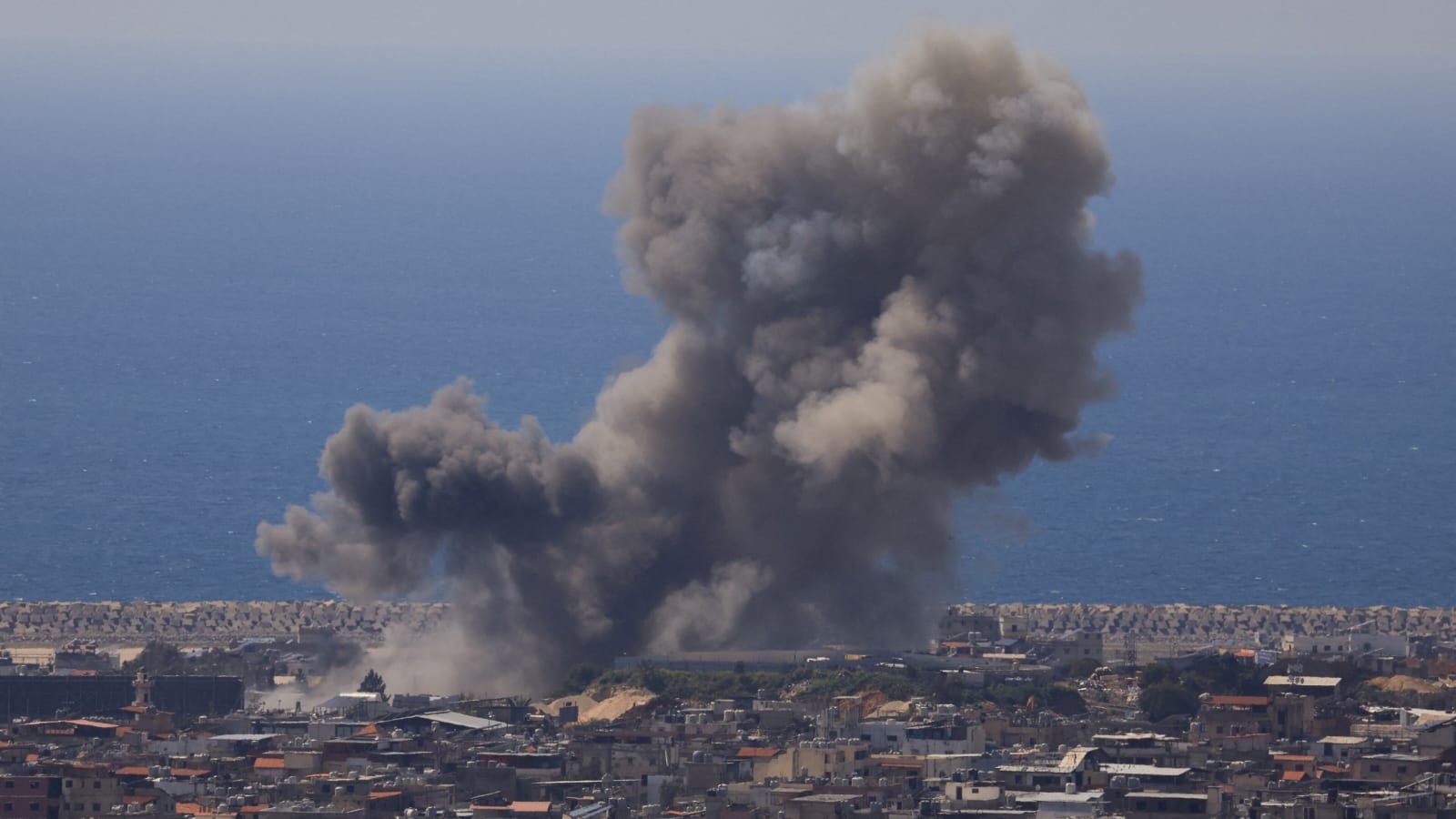
In response, Israel moved quickly. Israeli forces launched air strikes targeting Hezbollah strongholds in Beirut’s southern suburb of Dahiyeh, an area long considered a key operational base for the group.
Importantly, the exchange marks Hezbollah’s first major claimed attack on Israel since the 2024 ceasefire that had largely contained cross-border fighting. Consequently, regional observers view this moment as a potentially significant turning point.
Explosions Rock Southern Beirut
Residents reported hearing multiple loud explosions across Beirut’s southern districts as Israeli jets struck suspected Hezbollah positions.
According to early reports:
-
More than a dozen explosions were heard
-
Strikes focused on Hezbollah-controlled areas
-
Evacuation warnings were issued in parts of Lebanon
-
Thousands of civilians fled affected zones
The intensity of the blasts quickly raised fears of a return to the large-scale Israel–Hezbollah confrontations seen in previous years. Moreover, emergency services across Beirut were placed on heightened alert.
Although full casualty figures were not immediately confirmed, humanitarian organisations are closely monitoring developments.
Israel’s Military Position
Israeli officials said the operation specifically targeted Hezbollah military infrastructure and senior militants. In addition, the military issued warnings urging civilians near Hezbollah-linked sites to evacuate, signalling the possibility of further strikes.
From Israel’s perspective, Hezbollah’s missile and drone launches constituted a direct threat to national security and required an immediate response.
Military analysts say Israel is attempting to:
-
Deter further Hezbollah attacks
-
Degrade the group’s operational capacity
-
Prevent a fully active northern front
-
Signal resolve amid the broader Iran crisis
Therefore, the strikes appear calibrated to send a strong warning while avoiding — at least for now — a full-scale ground conflict.
Hezbollah’s Response and Messaging
Hezbollah framed its initial strike on Israel as revenge for the reported killing of Ayatollah Khamenei and part of what it described as resistance against Israeli actions.
According to the group, its missiles and drones targeted an Israeli missile defence facility near Haifa. However, independent confirmation of the full impact remains limited.
So far, Hezbollah has not clearly indicated whether it plans additional large-scale attacks. Nevertheless, regional observers warn that escalation risks remain elevated.
Importantly, Hezbollah’s involvement significantly raises the stakes because the group possesses a large and sophisticated missile arsenal capable of striking deep into Israel.
Lebanon’s Government Reaction
Lebanese officials have expressed deep concern over the rapid deterioration in security conditions.
Lebanon’s prime minister criticised the rocket launches from Lebanese territory, warning that such actions could endanger national stability and potentially drag the country into a wider war.
Beirut now faces a delicate balancing act:
-
Avoiding full-scale war with Israel
-
Managing Hezbollah’s independent military actions
-
Containing domestic political pressure
-
Protecting an already fragile economy
Given Lebanon’s severe financial crisis, any prolonged conflict could have devastating domestic consequences.
Civilian Impact and Public Fear
The renewed strikes have triggered fresh anxiety among Lebanese civilians, many of whom still remember the devastating conflicts of previous years.
Early reports indicate:
-
Families fleeing southern suburbs
-
Heavy traffic congestion during evacuations
-
Heightened fear in Beirut and Tyre
-
Emergency medical teams on standby
Although confirmed casualty numbers remain limited, humanitarian agencies warn that any sustained escalation could quickly worsen the civilian toll.
Furthermore, displacement risks could rise sharply if cross-border fighting intensifies.
Wider Regional Context
The Beirut strikes are unfolding against the backdrop of a rapidly expanding regional confrontation involving Israel, Iran and allied groups.
Recent regional developments include:
-
US and Israeli strikes on Iranian targets
-
Iranian missile and drone retaliation
-
Attacks on shipping and military bases
-
Rising oil price volatility
Taken together, these events suggest the conflict is becoming increasingly interconnected across multiple theatres.
As a result, security planners across the Middle East are preparing for potential spillover scenarios.
Risk of a Multi-Front Conflict
Security experts say the most serious concern is the possible opening of multiple active fronts simultaneously.
Key potential flashpoints include:
-
The Israel–Lebanon border
-
Gulf maritime routes
-
Direct Iran–Israel confrontation
-
Proxy group activity across the region
If Hezbollah significantly escalates operations, Israel could respond with a much broader military campaign inside Lebanon. Consequently, the risk of rapid escalation cannot be dismissed.
Impact on Global Markets
The escalation is already reverberating through global markets, particularly energy and aviation sectors.
Immediate market reactions include:
-
Oil prices moving higher
-
Air travel disruptions
-
Rising shipping insurance costs
-
Volatility in regional stock markets
Energy traders are especially focused on whether the conflict could threaten flows through the Strait of Hormuz a development that would have global economic implications.
For now, markets are pricing in heightened geopolitical risk but not yet a worst-case disruption scenario.
Diplomatic Calls for Restraint
International leaders have begun urging restraint amid fears the crisis could spiral further.
The UN Security Council has held emergency discussions, while multiple governments have called on all sides to de-escalate and avoid civilian harm.
However, despite these appeals, diplomatic momentum remains fragile. As long as military exchanges continue, prospects for rapid de-escalation appear uncertain.
What Happens Next: Key Watch Points
The trajectory of the conflict will depend on several critical factors in the days ahead.
Analysts are closely monitoring:
1. Hezbollah’s next move
Whether the group launches additional large-scale attacks will be a key signal.
2. Israel’s military calculus
Further deep strikes into Lebanon could mark a major escalation.
3. Iran’s response
Tehran’s next steps could reshape the broader regional picture.
4. International diplomatic pressure
External mediation efforts may still help contain the crisis.
Because multiple actors are involved, the situation could shift rapidly.
Israel’s latest strikes on Beirut’s southern suburbs mark a serious escalation following Hezbollah’s retaliatory attack linked to the reported death of Iran’s Supreme Leader.
While both sides currently appear focused on deterrence rather than full-scale war, the risk environment has clearly intensified. With multiple fronts already under strain, even limited miscalculation could widen the conflict.
For now, the Middle East remains on edge. Governments, markets and civilians alike are watching closely as the situation unfolds.
Ultimately, the coming days will be decisive in determining whether tensions stabilise through restraint or move toward a broader and more dangerous regional confrontation.





2 Comments
[…] response to Hezbollah’s attacks, Israel has carried out a series of airstrikes targeting Hezbollah infrastructure in […]
[…] analysts say the widening scope of Israeli strikes signals a broader strategic effort to reduce Hezbollah’s operational capabilities. At the same […]
Comments are closed.