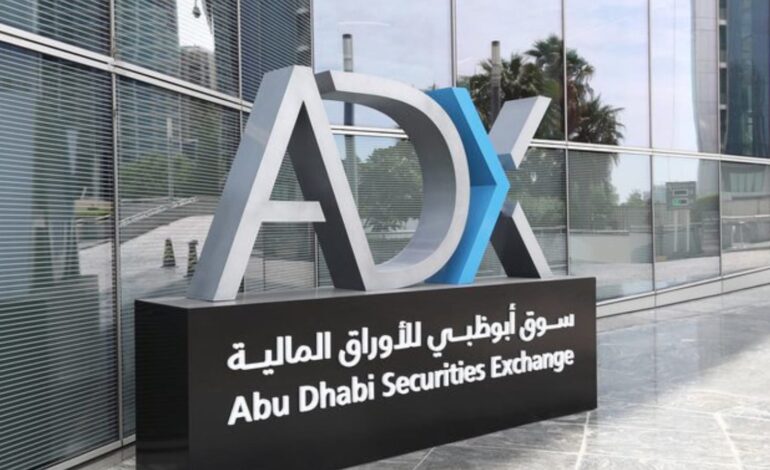

The United Arab Emirates has temporarily suspended trading on its major stock exchanges as regional tensions escalate following Iranian strikes. Authorities confirmed that the Abu Dhabi Securities Exchange (ADX) and the Dubai Financial Market (DFM) will remain closed on March 2 and March 3, 2026, in what officials describe as a precautionary move to protect financial stability.
The decision underscores how quickly geopolitical shocks can ripple through Gulf financial systems. Although the closure is temporary, it highlights the seriousness of the current regional environment and reflects the UAE’s proactive approach to market supervision during periods of heightened risk.
As investors digest fast-moving developments across the Middle East, the temporary shutdown has become one of the clearest signs yet of rising financial caution in the region.
Official Decision by the Capital Market Authority
According to regulators, the shutdown has been implemented under the Capital Market Authority’s supervisory and regulatory mandate over UAE capital markets. Officials emphasised that the step is precautionary and aligned with applicable laws governing orderly market functioning.
Authorities confirmed:
-
ADX and DFM will be closed on March 2 and March 3
-
The situation is being monitored continuously
-
Further measures may be taken if required
-
Updates will be issued through official channels
Importantly, regulators stressed that the move does not reflect structural weakness in UAE markets. Instead, it is designed to ensure orderly trading conditions amid unusually elevated geopolitical uncertainty.
Why UAE Markets Were Closed
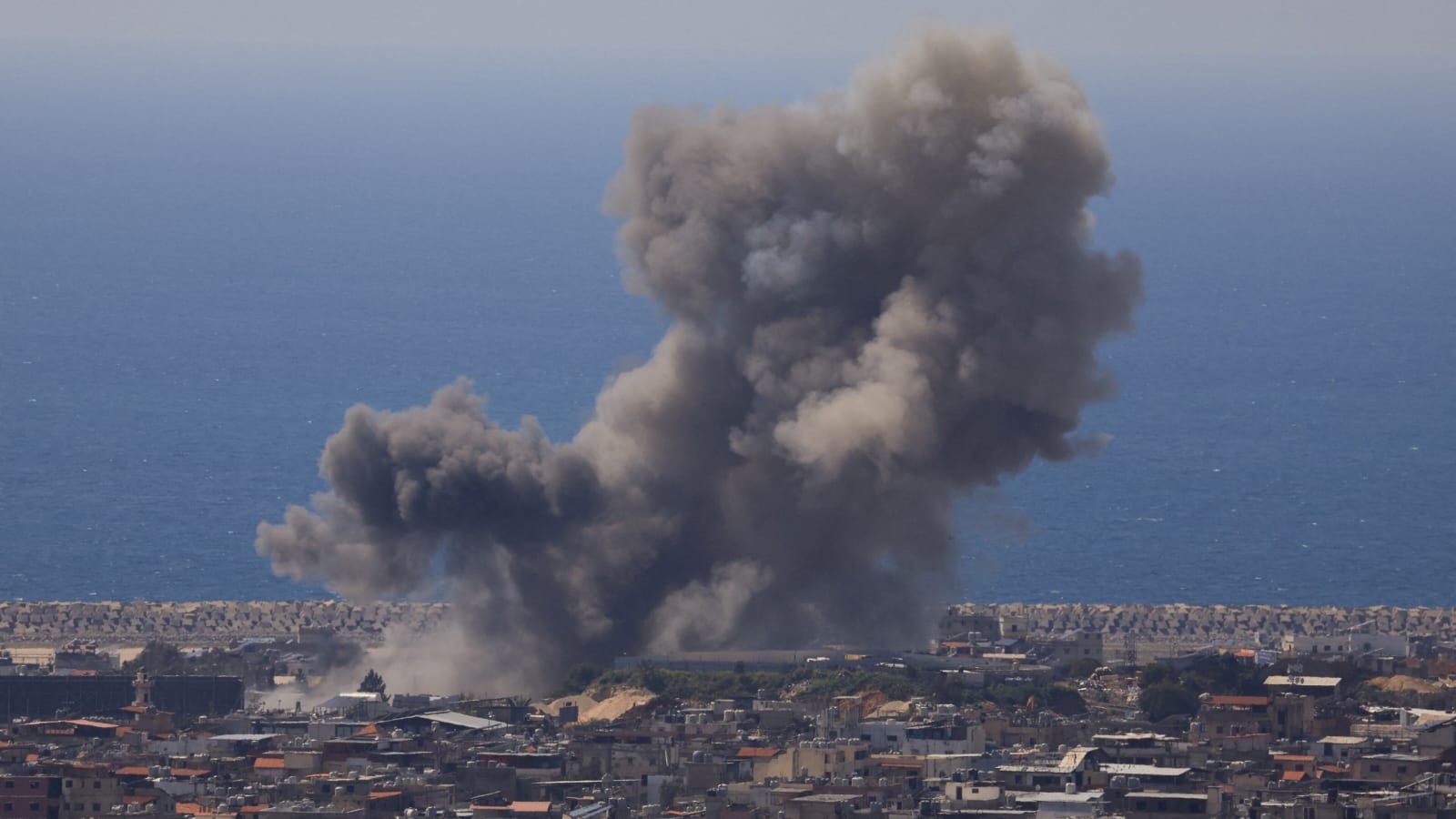
The temporary suspension comes amid what officials describe as unprecedented Iranian strikes targeting the UAE, which Tehran says were in retaliation for US and Israeli military actions.
Given the rapidly evolving security environment, authorities acted swiftly to reduce the risk of disorderly market behaviour.
Key objectives behind the closure include:
-
Protecting investors from extreme volatility
-
Maintaining orderly market functioning
-
Allowing time for risk assessment
-
Preserving overall financial stability
-
Preventing panic-driven sell-offs
Globally, financial regulators sometimes halt trading during major geopolitical shocks to prevent sharp, emotion-driven market moves that could undermine confidence.
Impact on ADX and DFM
The UAE hosts two of the Middle East’s most important financial exchanges. Therefore, even a temporary halt carries regional significance.
Abu Dhabi Securities Exchange (ADX)
ADX ranks among the region’s largest exchanges by market capitalisation. It features major listings across:
-
Energy
-
Banking
-
Telecommunications
-
Industrial sectors
Because many flagship UAE companies trade on ADX, the pause temporarily freezes price discovery for key regional assets.
Dubai Financial Market (DFM)
DFM serves as a major trading hub for both regional and international investors. The exchange is particularly known for:
-
Banking stocks
-
Real estate companies
-
Logistics and transport firms
-
Retail investor participation
As a result, the suspension affects a broad base of market participants, including retail traders and institutional funds.
Immediate Market Effects
During the closure period:
-
No equity trading is taking place
-
Derivatives activity is paused
-
Normal settlement cycles are delayed
-
Price discovery is temporarily frozen
However, most analysts expect the disruption to remain short term unless regional conditions deteriorate significantly.
Regional Markets Already Under Pressure
The UAE’s decision comes as markets across the Middle East show signs of stress following the latest escalation.
Across the region:
-
Saudi Arabia’s main index fell sharply
-
Oman and Egypt recorded notable declines
-
Kuwait suspended trading entirely
-
Volatility increased across emerging markets
These moves reflect a broader shift in investor sentiment as geopolitical risk premiums rise.
Notably, Gulf markets tend to react quickly to security shocks even when underlying economic fundamentals remain strong.
Investor Sentiment Turns Defensive
Market psychology has shifted rapidly from a risk-on environment to a more defensive posture.
Key behavioural trends include:
-
Flight toward safe-haven assets
-
Increased demand for gold
-
Rising oil price volatility
-
Reduced exposure to regional equities
-
Higher cash allocations
Institutional investors typically reduce exposure to geopolitically sensitive markets during periods of military escalation. Consequently, the UAE’s precautionary pause aims to prevent disorderly capital outflows.
Broader Economic Context
Despite the current turbulence, the UAE remains one of the most resilient economies in the Middle East. Several structural strengths continue to support investor confidence.
Key stabilising factors include:
-
Strong sovereign balance sheets
-
Large and well-capitalised sovereign wealth funds
-
Deep domestic banking liquidity
-
A diversified non-oil economy
-
Robust regulatory oversight
Because of these fundamentals, many analysts expect market reactions to remain contained if regional tensions do not worsen materially.
Oil Prices Add Another Layer of Complexity
The Iranian strikes have also pushed oil prices higher, creating mixed implications for Gulf equity markets.
Potential positive effects:
-
Higher government revenues
-
Stronger energy sector earnings
-
Improved fiscal outlooks
-
Increased sovereign inflows
Potential negative effects:
-
Heightened geopolitical risk
-
Increased investor caution
-
Shipping and insurance concerns
-
Elevated market volatility
Historically, Gulf equities often benefit from rising oil prices. However, when price gains are driven primarily by geopolitical stress, equity markets can still face downward pressure.
How Long Could the Closure Last?
For now, authorities have announced only a two-day suspension. Trading is expected to resume after March 3 unless conditions worsen.
Possible triggers for extended closure include:
-
Further security deterioration
-
Extreme market volatility
-
Additional regional military escalation
-
New regulatory risk assessments
Regulators have emphasised that they are reviewing the situation continuously and will act as needed to preserve orderly markets.
What Investors Should Watch Next
Market participants will closely monitor several key indicators in the coming days.
1. Regional Security Developments
Any further escalation could prolong investor caution.
2. Oil Price Movements
Sustained high oil prices may support energy-heavy indices.
3. Official UAE Announcements
Regulatory guidance will determine reopening timelines.
4. Global Risk Sentiment
Broader emerging market flows will influence GCC equities.
Because global markets remain highly interconnected, international risk appetite will also play an important role.
Historical Perspective
Temporary market closures during geopolitical shocks are relatively rare but not unprecedented.
Globally, exchanges have halted trading during:
-
Major military conflicts
-
Severe financial crises
-
Natural disasters
-
Systemic risk events
Importantly, such moves are typically designed to restore orderly trading conditions rather than signal underlying market weakness.
In many past cases, markets stabilised quickly once trading resumed.
UAE’s Financial System Remains Structurally Strong
Despite the current disruption, the UAE continues to position itself as a stable and globally integrated financial hub.
Long-term strengths include:
-
Strong regulatory oversight
-
Deep and liquid capital markets
-
Growing foreign investor participation
-
A robust IPO pipeline
-
Expansion in asset and wealth management
These structural advantages provide important buffers against short-term volatility.
Most analysts therefore view the current shutdown as a temporary precaution, not a sign of systemic stress.
The UAE’s decision to suspend trading on ADX and DFM until March 3 reflects a swift and precautionary response to escalating regional tensions following Iranian strikes.
By pausing trading, regulators aim to protect market stability, prevent panic-driven volatility and give investors time to assess rapidly evolving geopolitical risks.
While the move highlights the sensitivity of Gulf markets to security developments, the UAE’s strong economic fundamentals and robust regulatory framework provide meaningful reassurance.
For investors, the key message is clear: volatility may persist in the near term, but the UAE’s financial system remains structurally resilient.