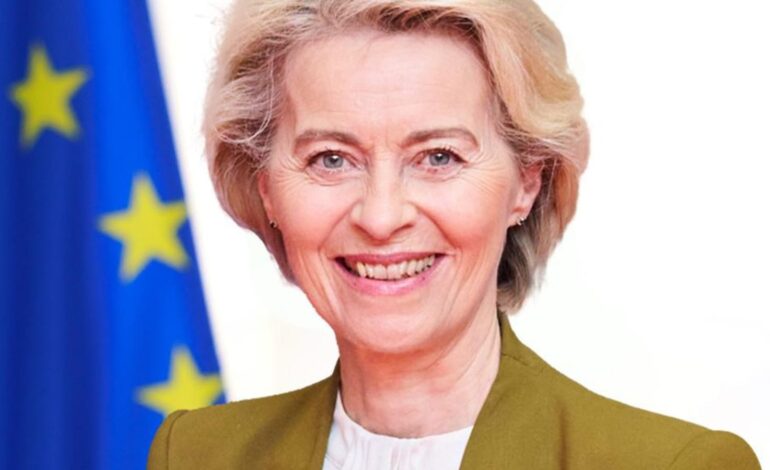

European political leadership has issued one of its strongest warnings yet as the Middle East crisis intensifies. The President of the European Commission, Ursula von der Leyen, has urged European Union member states to prepare for the possibility of a broader conflict involving Iran. Her remarks mark a notable shift from the EU’s traditionally cautious and diplomacy-first approach toward Tehran.
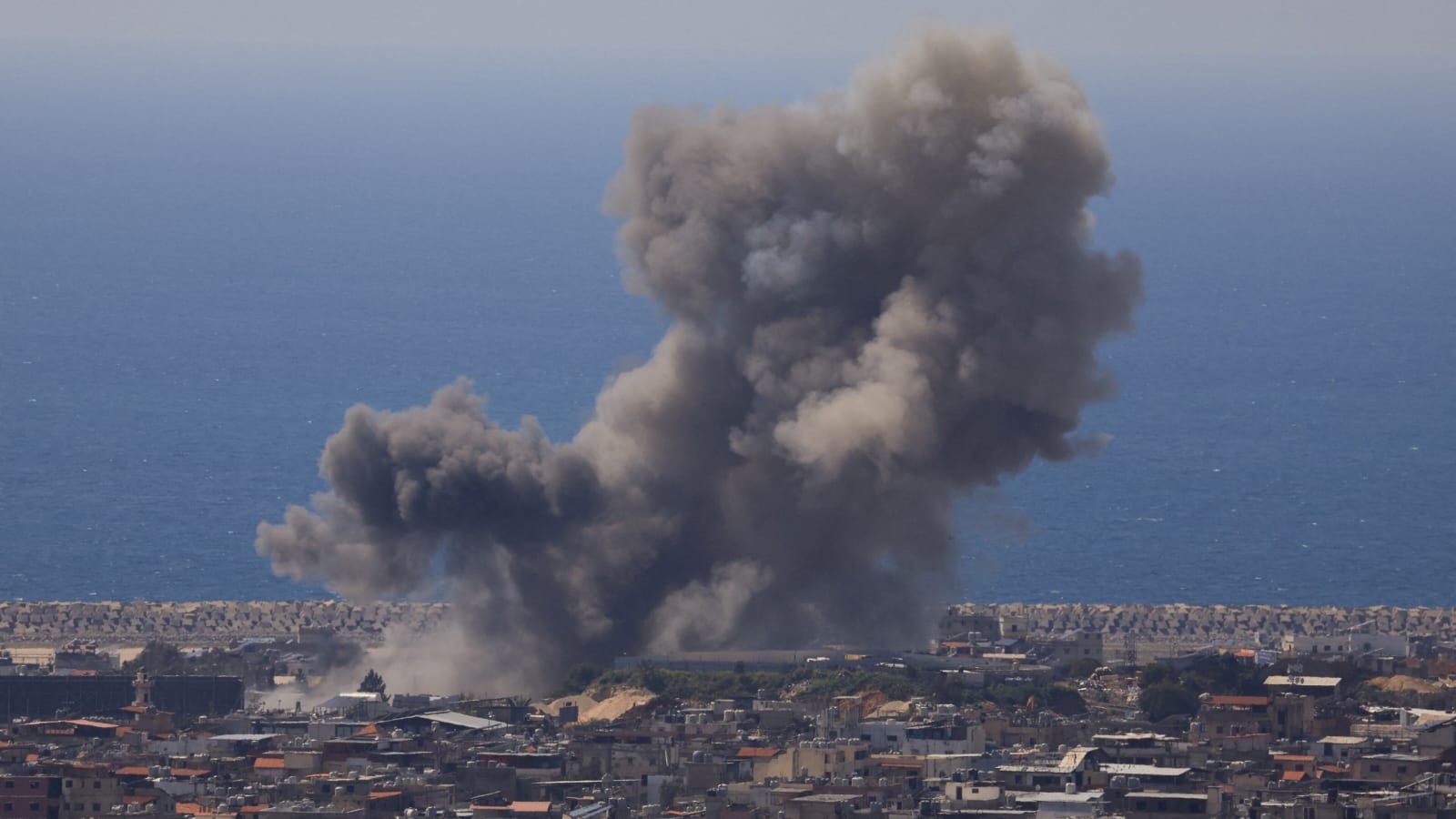
Coming amid escalating hostilities including coordinated US-Israeli strikes on Iranian military infrastructure and retaliatory missile and drone attacks by Iran the European response signals a recalibration of EU security thinking. With fears of prolonged instability affecting global energy markets, maritime trade routes and diplomatic relations, Europe is reassessing both its defensive posture and its political stance toward Iran’s future.
This in-depth analysis explores Europe’s evolving position, the strategic rationale behind calls for preparedness, the implications for EU defence policy, and what this means for Middle East stability and global geopolitics.
A Turning Point in Europe’s Approach to Iran


However, von der Leyen’s recent remarks reflect a firmer tone:
-
Calls for Europe to prepare for a potential “all-out conflict” scenario
-
Expressions of support for self-determination among the Iranian people
-
Acknowledgment of discussions surrounding “credible political transition” pathways
While not explicitly advocating military intervention to achieve regime change, the language signals openness to political evolution in Tehran under appropriate conditions. This is a departure from earlier EU caution about appearing to interfere in Iran’s domestic political structure.
The shift comes against the backdrop of escalating military exchanges and growing fears that the crisis could expand beyond regional confines.
Why Europe Is Urging Preparedness
Europe’s new posture stems from several strategic concerns.
1. Escalating Military Retaliation
Iran’s retaliatory missile and drone strikes following attacks on its military infrastructure have raised alarm in European capitals. These actions have targeted facilities linked to Western allies and strategic installations across the Gulf region.
The risk of miscalculation or accidental escalation has increased, prompting European leaders to consider worst-case scenarios.
2. Threats to Strategic Interests
European nations maintain military personnel, economic investments and diplomatic assets throughout the Middle East. Missile and drone activity near allied sites heightens concerns about potential direct or indirect involvement.
Key maritime corridors such as the Strait of Hormuz remain vital to global trade. Any disruption could significantly impact European economies heavily dependent on energy imports.
3. Energy Security Risks
Europe’s energy landscape has already been reshaped by recent geopolitical disruptions. Instability in the Gulf region threatens further volatility in oil and gas supplies.
A prolonged conflict involving Iran could:
-
Increase energy prices
-
Disrupt shipping lanes
-
Trigger market uncertainty
-
Pressure inflation-sensitive economies
Given Europe’s import reliance, preparedness is not only a military concern but also an economic necessity.
Endorsing Political Transition: A Delicate Balance
One of the most striking aspects of von der Leyen’s remarks is the endorsement of the idea that long-term stability may require political evolution within Iran.
European leaders have expressed sympathy for Iranian citizens advocating reform, human rights protections and greater political freedoms. By referencing “credible transition” concepts, Brussels is signalling openness to internal change — while avoiding direct calls for externally imposed regime change.
This nuanced framing attempts to balance:
-
Support for democratic aspirations
-
Respect for sovereignty
-
Avoidance of overt intervention rhetoric
Nevertheless, the language marks a clear evolution from previous EU messaging that focused almost exclusively on nuclear compliance and de-escalation.
Europe’s Evolving Defence Posture
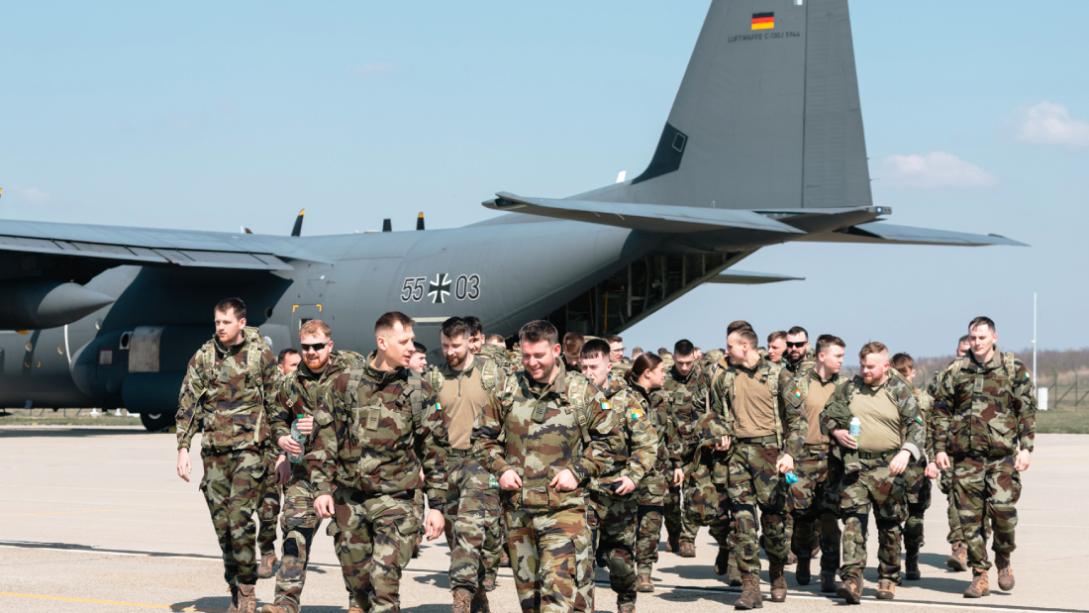
Recent years have already seen EU member states increase defence spending and enhance coordination in response to geopolitical instability in Eastern Europe and beyond. The Middle East escalation adds another layer of urgency.
Increased Military Coordination
EU nations have explored:
-
Joint defence initiatives
-
Expanded intelligence-sharing
-
Rapid response mechanisms
-
Enhanced cyber and missile defence capabilities
Germany and France have both emphasised readiness to protect European strategic interests. While Europe remains committed to NATO frameworks, it is also strengthening its independent defence capabilities.
Balancing Diplomacy and Strategic Readiness
Despite tougher language, Europe is not abandoning diplomacy.
Joint statements from France, Germany and the UK continue to urge:
-
De-escalation
-
Return to negotiations
-
Protection of civilians
-
Adherence to international law
This dual-track approach reflects a strategic balancing act:
-
Preparedness for worst-case scenarios
-
Continued advocacy for diplomatic solutions
The European Union recognises that over-militarisation could exacerbate tensions, yet under-preparedness could leave the continent vulnerable to spillover effects.
Implications for Transatlantic Relations
Europe’s stance partially aligns with US concerns regarding Iran’s regional influence and military posture. However, Brussels also seeks to maintain independent diplomatic channels.
This creates a complex dynamic:
-
Strategic alignment with Washington on security concerns
-
Continued emphasis on multilateral diplomacy
-
Preservation of Europe’s role as a mediator when possible
Transatlantic unity strengthens deterrence, but European leaders remain cautious about being drawn into open-ended military engagements.
Impact on Middle East Geopolitics
Europe’s evolving position may influence regional dynamics in several ways:
Strengthening Allied Confidence
Public preparedness signals to Middle Eastern allies that Europe is attentive to regional security threats.
Increasing Diplomatic Pressure on Tehran
Endorsement of political transition ideas may amplify internal and external pressure on Iran’s leadership.
Risk of Heightened Tensions
Conversely, strong rhetoric could be perceived by Tehran as interference, potentially complicating diplomatic overtures.
The outcome will depend on how carefully Europe calibrates its messaging and actions.
Global Economic and Security Consequences
The Middle East’s strategic importance means that European decisions have global repercussions.
-
Oil markets react quickly to perceived instability
-
Global shipping insurance costs fluctuate
-
Financial markets price in geopolitical risk
-
Defence industries respond to shifting security priorities
A broader conflict would ripple through supply chains and economic systems far beyond the region.
Domestic Political Debate Within Europe
European leaders face internal debates regarding the appropriate balance between defence preparedness and diplomatic engagement.
Some governments advocate:
-
Stronger deterrence measures
-
Clear alignment with US strategy
Others emphasise:
-
Humanitarian considerations
-
Avoidance of escalation
-
Preservation of diplomatic channels
Public opinion also plays a role, particularly in countries wary of foreign military entanglements.
What Comes Next?
Several key developments will shape Europe’s trajectory:
Formalisation of Defence Measures
The EU may expand structured defence cooperation or introduce new readiness frameworks.
Diplomatic Initiatives
European diplomats could intensify engagement with regional actors to reduce tensions.
Monitoring Iran’s Internal Dynamics
Shifts within Iran’s political landscape could influence Europe’s strategic calculus.
Market Reactions
Energy prices and financial indicators will serve as real-time gauges of geopolitical risk.
Europe’s response will likely remain adaptive, balancing preparedness with diplomatic outreach.
The call from European Commission President Ursula von der Leyen for readiness in the face of potential wider conflict involving Iran marks a strategic inflection point in EU foreign policy.
While diplomacy remains foundational, the language of preparedness and openness to political transition reflects growing concern about regional instability and its global consequences. Europe is signalling that it cannot afford complacency in an era of interconnected security threats.
How Brussels and member states translate rhetoric into policy will determine whether Europe emerges as a stabilising force, a strategic partner in deterrence, or a mediator navigating complex geopolitical terrain.
As the Middle East crisis evolves, Europe’s recalibrated stance underscores a broader reality: security, energy stability and geopolitical equilibrium are deeply intertwined — and decisions made in Brussels will resonate far beyond the continent.