
Hezbollah Launches Missiles at Haifa Naval Base
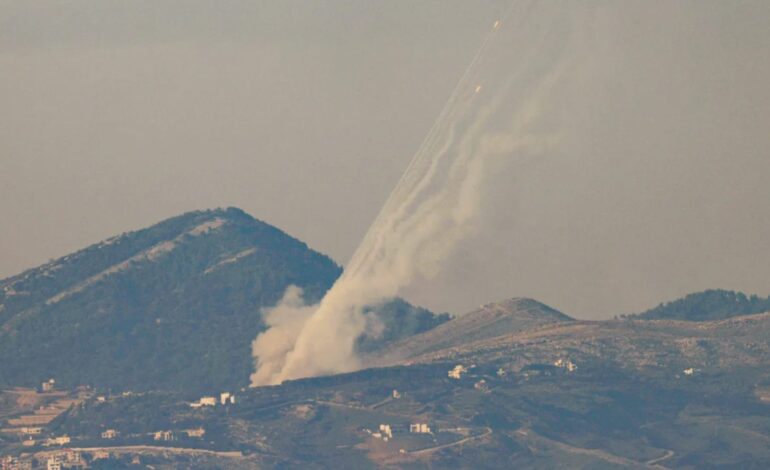

The conflict in the Middle East escalated further after Hezbollah announced it had launched a barrage of missiles targeting Israel’s Haifa naval base, one of the country’s most strategically important military installations along the Mediterranean coast.
The Iran-backed Lebanese militant group said the attack was carried out in response to ongoing Israeli military operations in Lebanon and Gaza. The development marks another dangerous escalation in a widening regional conflict involving Israel, Iran and several allied armed groups.
Israeli military officials confirmed that multiple projectiles were detected heading toward northern Israel. According to initial reports, most of the missiles were intercepted by Israel’s advanced air defence systems, preventing significant damage.
The incident highlights growing fears among global observers that the conflict could expand into a broader regional war involving multiple fronts across the Middle East.
Hezbollah Claims Missile Barrage on Haifa Naval Base
Hezbollah announced that it had launched what it described as “a barrage of high-quality missiles” toward Israel’s Haifa naval base. The attack reportedly took place during a day of intensified military activity by the group along Israel’s northern border.
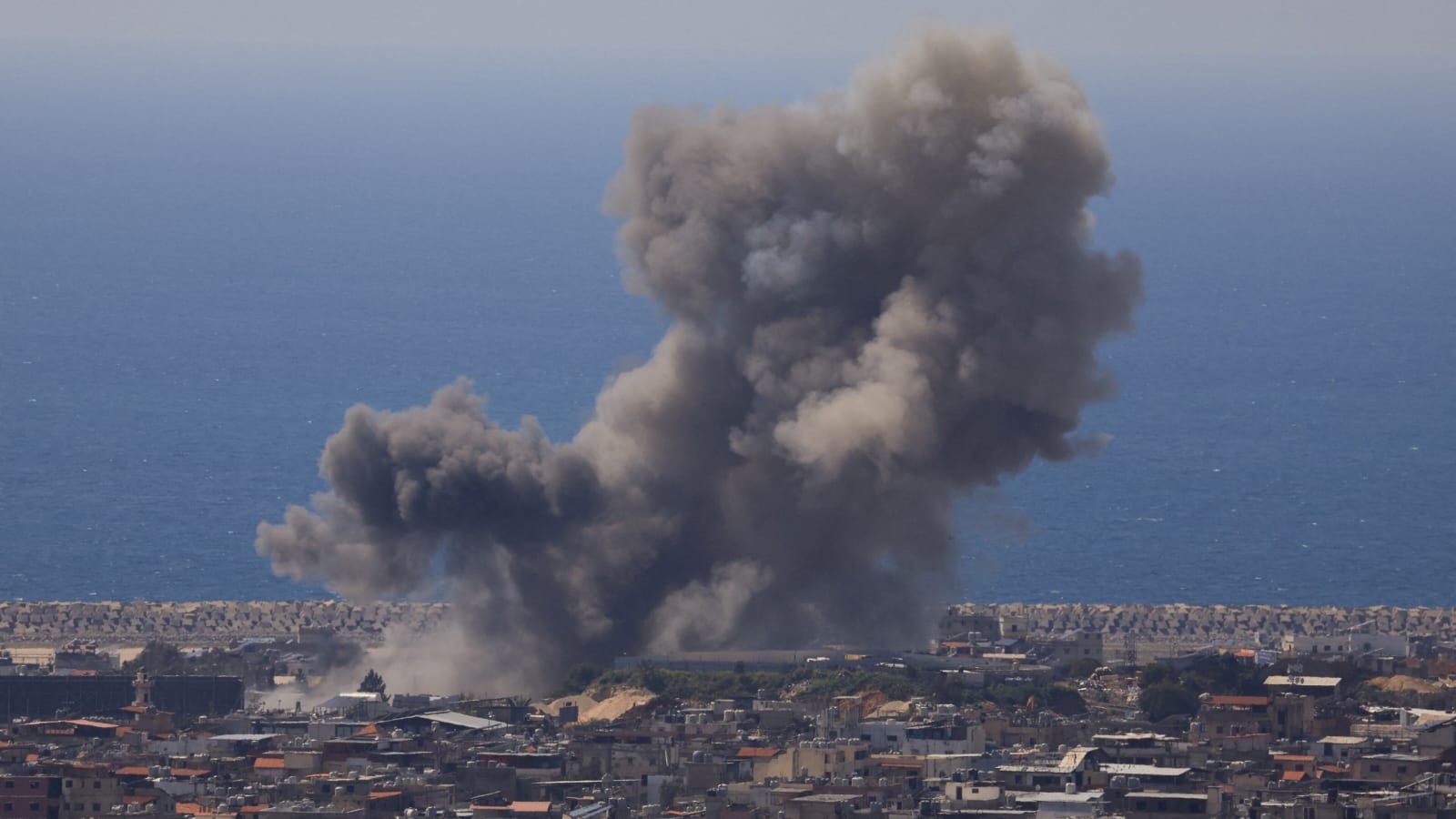
In a statement released through its media channels, Hezbollah said the missile strike was a response to Israeli airstrikes that targeted multiple locations in Lebanon, including areas in Beirut’s southern suburbs, which are widely regarded as Hezbollah’s stronghold.
The militant group accused Israel of carrying out attacks against Lebanese towns and civilian areas and said the strike on Haifa was meant to demonstrate its ability to respond to Israeli military actions.
Hezbollah has previously warned that it would expand its attacks if Israeli operations in Lebanon and Gaza continued.
The Haifa naval base, which lies along Israel’s Mediterranean coastline, hosts several key naval units responsible for protecting the country’s maritime interests.
By targeting the base, Hezbollah aimed to strike a critical component of Israel’s military infrastructure.
Israeli Air Defence Systems Intercept Missiles
The Israeli military confirmed that air defence systems detected incoming missiles shortly after the launch.
According to the Israel Defense Forces (IDF), most of the projectiles were intercepted before reaching their intended targets.
Israel operates one of the most advanced multi-layered air defence networks in the world. The system includes several different technologies designed to intercept a wide range of threats.
These include:
-
Iron Dome, designed to intercept short-range rockets
-
David’s Sling, designed for medium-range missile threats
-
Arrow missile defence system, built to counter long-range ballistic missiles
Together, these systems create a layered shield capable of detecting and destroying incoming rockets, missiles and drones.
Following the missile launches, warning sirens were activated across parts of northern Israel, and residents were instructed to seek shelter as a precaution.
Israeli authorities reported no immediate large-scale damage, although emergency services remained on alert.
Rising Military Activity Along Israel’s Northern Border
The missile strike on Haifa reflects the growing tensions along Israel’s northern front with Lebanon, where clashes between Israeli forces and Hezbollah fighters have intensified in recent weeks.
The border region has witnessed a steady increase in military activity, including:
-
Rocket launches toward Israeli territory
-
Drone strikes and surveillance flights
-
Cross-border artillery fire
-
Israeli airstrikes targeting militant infrastructure
These incidents have raised fears that the conflict could escalate into a full-scale war between Israel and Hezbollah, similar to the devastating conflict fought between the two sides in 2006.
Military analysts warn that such a conflict would likely involve far more advanced weaponry and cause significant damage on both sides of the border.
Israel Responds With Airstrikes in Lebanon
In response to Hezbollah’s attacks, Israel has carried out a series of airstrikes targeting Hezbollah infrastructure in Lebanon.
Israeli military operations have reportedly focused on areas believed to host Hezbollah weapons depots, missile launch sites and command centres.
Among the key targets were locations in Beirut’s southern suburbs, a densely populated area that has long been associated with Hezbollah’s political and military leadership.
Israeli officials say these strikes are aimed at preventing further rocket attacks and weakening Hezbollah’s military capabilities.
However, the airstrikes have further intensified tensions and increased concerns that the conflict could spread deeper into Lebanon.
Hezbollah’s Role in the Wider Regional Conflict
The missile attack on Haifa is part of a broader regional confrontation involving several state and non-state actors.
Hezbollah, which was founded in the 1980s during Lebanon’s civil war, has grown into one of the most powerful militant groups in the Middle East.
The group maintains close political and military ties with Iran and is considered a key member of what analysts often describe as the “Axis of Resistance”, a network of groups aligned against Israel and Western influence in the region.
Over the past decade, Hezbollah has significantly expanded its military capabilities.
The group is believed to possess:
-
Tens of thousands of rockets and missiles
-
Precision-guided missile systems
-
Armed drones
-
Advanced anti-tank weapons
These capabilities allow Hezbollah to strike deep inside Israeli territory if a large-scale conflict were to erupt.
Analysts say Hezbollah’s involvement in the ongoing crisis significantly raises the risk that fighting could spread across multiple countries in the Middle East.
Strategic Importance of Haifa
The city of Haifa is one of Israel’s largest and most economically important coastal cities.
It serves as a major centre for both commercial trade and military operations.
The Haifa naval base plays a critical role in Israel’s defence strategy, particularly in the Mediterranean Sea.
The base supports operations responsible for:
-
Protecting Israel’s offshore gas fields
-
Securing maritime trade routes
-
Conducting naval patrols and intelligence missions
-
Maintaining Israel’s submarine fleet
Because of its strategic significance, the naval base is considered a high-value target during times of conflict.
Any successful attack on such infrastructure could disrupt military logistics and create security challenges for Israel’s maritime defence.
Growing Regional Tensions
The missile strike comes amid a wider escalation across the Middle East involving Israel, Iran and various allied groups.
In recent weeks, the region has experienced a series of military developments, including:
-
Missile strikes and retaliatory airstrikes
-
Drone attacks across multiple fronts
-
Naval confrontations in strategic waters
-
Escalating political tensions between regional powers
These developments have raised fears that the conflict could expand beyond localised clashes and evolve into a broader regional confrontation.
Security experts warn that even limited exchanges between armed groups can quickly spiral into larger conflicts in such a volatile geopolitical environment.
International Reactions and Diplomatic Concerns
Global leaders and international organisations have expressed growing concern about the rapidly escalating situation.
Several governments have urged both Israel and Hezbollah to avoid actions that could further destabilise the region.
The United Nations has called for restraint and emphasised the need for diplomatic dialogue to prevent further escalation.
International humanitarian organisations have also warned that prolonged fighting could worsen humanitarian conditions in areas already affected by conflict.
Civilians in both Israel and Lebanon face increasing risks as military operations continue.
Aid agencies have stressed the importance of protecting civilian populations and ensuring access to humanitarian assistance.
Impact on Regional Stability and Global Markets
The ongoing exchange of attacks between Israel and Hezbollah highlights the fragile security environment across the Middle East.
Analysts warn that even limited clashes between the two sides carry the risk of escalating into a wider war involving multiple countries.
Such a scenario could have far-reaching consequences.
Potential impacts include:
-
Increased instability across the Middle East
-
Disruptions to energy markets
-
Threats to international shipping routes
-
Heightened geopolitical tensions between global powers
The Middle East remains one of the world’s most strategically important regions for global energy supplies and trade routes.
Any escalation in conflict could therefore have global economic implications.
What Happens Next
The coming days will be crucial in determining whether the conflict escalates further or moves toward de-escalation.
Several key factors will likely shape the trajectory of the crisis.
These include:
-
The scale of Hezbollah’s future attacks
-
Israel’s military response in Lebanon
-
Possible involvement of other regional actors
-
International diplomatic efforts to reduce tensions
Military analysts say the situation remains highly volatile, with the potential for rapid escalation if additional fronts open in the conflict.
Hezbollah’s claim that it launched missiles targeting Israel’s Haifa naval base marks another serious escalation in the ongoing Middle East conflict.
Although Israeli air defence systems reportedly intercepted most of the incoming missiles, the attack underscores the growing risk of a broader regional confrontation.
As Israel continues military operations and Hezbollah maintains its involvement in the conflict, tensions across the Middle East remain extremely high.
With multiple actors involved and military operations continuing across several fronts, the coming days may prove decisive in determining whether the crisis escalates into a wider regional war or moves toward diplomatic efforts aimed at reducing hostilities.




2 Comments
[…] civil defence infrastructure is designed to provide warnings within seconds of missile launches. This rapid alert system allows civilians valuable time to reach shelters before missiles can reach […]
[…] in the Middle East escalated further after Hezbollah reported a direct clash with Israeli commandos in eastern Lebanon. The confrontation reportedly […]
Comments are closed.