Israel Strikes Near Lebanese Presidential Palace

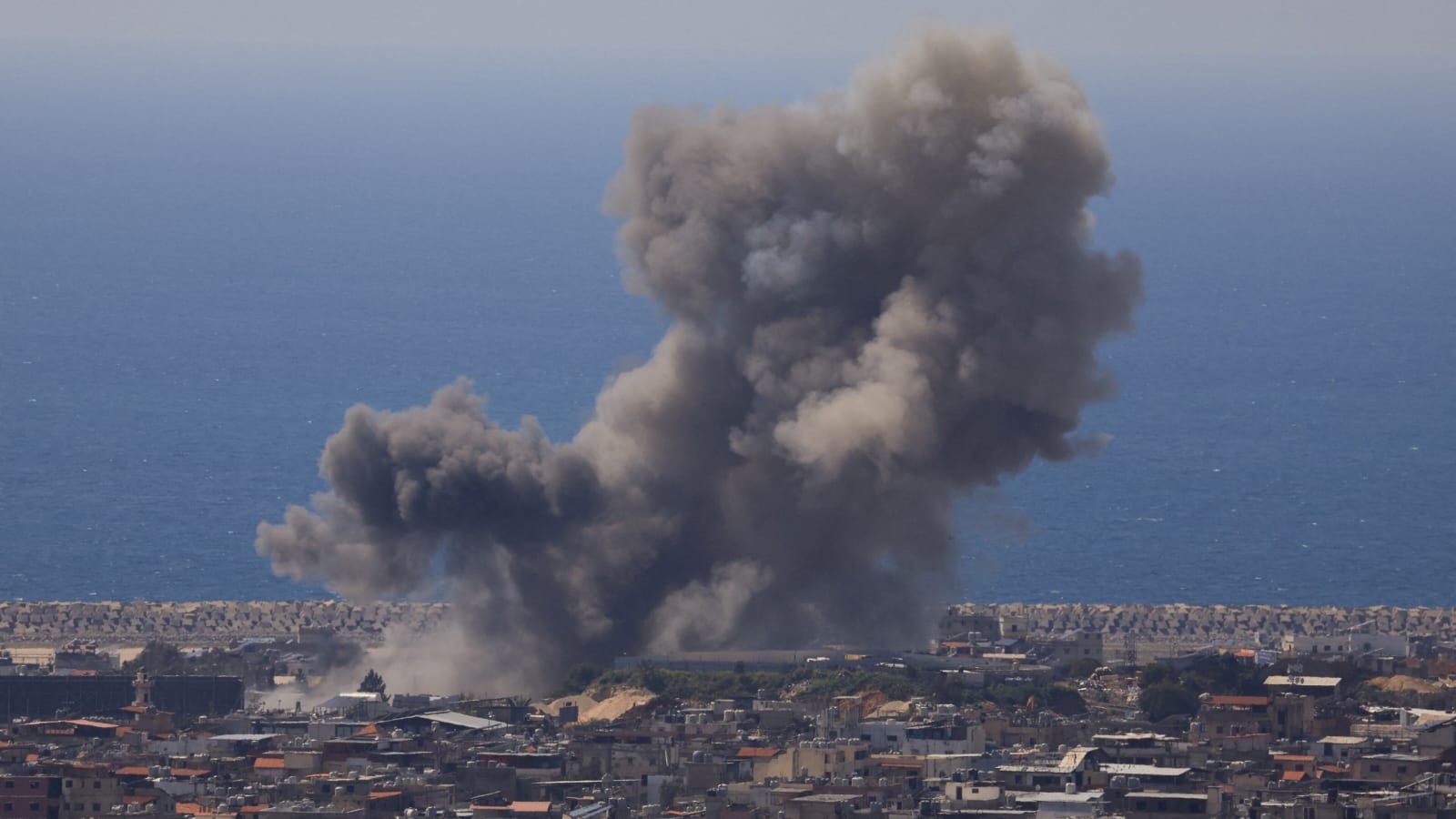
Israel has carried out air strikes near the Lebanese Presidential Palace in Beirut as its military campaign expands beyond traditional strongholds of Hezbollah. The strike represents a major escalation in the widening Middle East conflict involving Israel, Iran and their regional allies.
Reports indicate that the attack targeted a building in the suburb of Hazmieh, located southeast of Beirut. The area lies within close proximity to Lebanon’s presidential residence in Baabda.
Lebanese officials and international observers say the incident highlights the growing geographic scope of Israeli military operations in Lebanon as tensions continue to escalate across the region.
The strike occurred during a broader regional conflict that has already drawn in multiple actors, including United States, Iran and Hezbollah. The expanding war has raised concerns about the possibility of a wider regional escalation.
Air Strike Reported Near Lebanese Presidential Palace
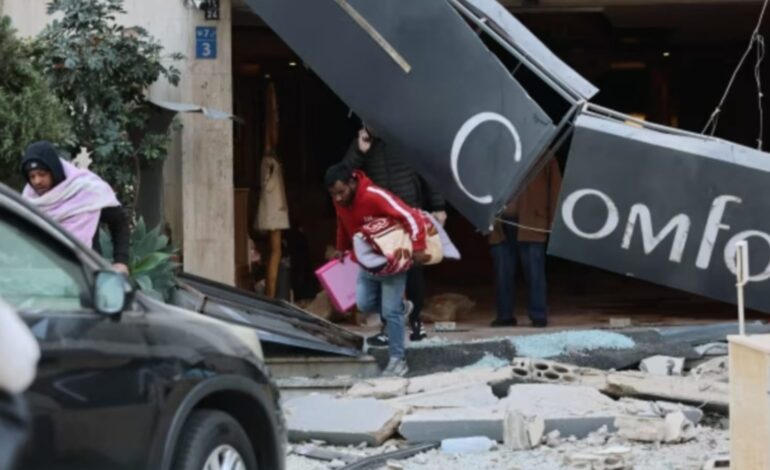
According to initial reports, an Israeli air strike hit a hotel in Hazmieh, a town located near the Lebanese presidential palace. The building targeted was identified as the Comfort Hotel, situated less than two kilometres from the presidential residence in Baabda.
The strike reportedly damaged part of the building, with early reports indicating that one floor of the hotel sustained significant impact. Lebanese security forces quickly responded to the scene following the attack. Emergency teams and security officials began assessing the damage and investigating the incident.
Although the strike occurred near an important government location, it remains unclear whether the presidential palace itself was the intended target.
The proximity of the attack to such a key political site has nevertheless raised serious concerns among Lebanese authorities and international observers.
Expansion of Israeli Military Operations in Lebanon
The strike near the presidential palace suggests that Israel’s military operations in Lebanon are expanding beyond Hezbollah’s traditional strongholds. Historically, Israeli strikes have focused mainly on Hezbollah positions in southern Lebanon and Beirut’s southern suburbs.
However, recent attacks indicate that Israeli forces are now targeting locations deeper within Lebanese territory. Israeli officials say the campaign is aimed at weakening Hezbollah’s military infrastructure and preventing attacks on Israeli cities. In recent days, Israeli air strikes have targeted multiple locations across Lebanon, including weapons depots, rocket launch sites and suspected Hezbollah facilities.
Military analysts say the widening scope of Israeli strikes signals a broader strategic effort to reduce Hezbollah’s operational capabilities. At the same time, the expansion of military activity has increased concerns about potential risks to civilians and urban infrastructure.
Hezbollah’s Role in the Escalating Conflict
Hezbollah has played a central role in the escalation of the conflict. The group has launched rockets and drones into northern Israel in response to Israeli and US military actions targeting Iranian interests. These attacks are widely viewed as part of a broader confrontation involving Iran and its regional allies.
Hezbollah has long maintained strong political and military ties with Iran, which provides financial and logistical support to the organisation. The group has stated that it will continue confronting Israel as part of what it describes as resistance against Israeli military operations.
Israel, in turn, has intensified its campaign against Hezbollah positions across Lebanon. This ongoing cycle of attacks and counterattacks has significantly increased tensions along the Israeli-Lebanese border.
Civilian Impact and Displacement in Lebanon
The intensifying conflict has had serious consequences for civilians in Lebanon. Air strikes across several regions have forced tens of thousands of people to flee their homes. Many families have sought shelter in safer areas of the country or moved to emergency shelters in major cities.
Reports suggest that shelters in Beirut and surrounding regions are nearing capacity as displaced families continue to arrive. Civilian casualties have also been reported during the recent wave of attacks. Dozens of people have reportedly been killed and hundreds injured as fighting intensifies.
Humanitarian organisations warn that the situation could deteriorate further if hostilities continue to escalate. Aid agencies are already preparing to expand relief operations to support displaced families.
Israeli Evacuation Warnings in Southern Lebanon
Israel has issued evacuation warnings to residents in several Lebanese towns and villages. The warnings specifically target areas where Hezbollah is believed to operate. Residents have been urged to move north of the Litani River to avoid potential military operations.
Such warnings are often interpreted by analysts as signals that further air strikes or ground operations may be planned. Military experts say these evacuation notices could indicate preparations for a deeper Israeli offensive into Lebanese territory. The movement of civilians away from conflict zones is intended to reduce the risk of casualties during military operations. However, large-scale displacement can create significant humanitarian challenges.
Regional War Expands Across the Middle East
The conflict in Lebanon forms part of a wider regional war spreading across the Middle East. The broader conflict began with joint military operations by Israel and the United States targeting Iranian assets.
Since then, the conflict has expanded into a multi-front confrontation involving several regional actors. Iran has launched missile and drone attacks targeting locations across the region.
Some strikes have reportedly targeted Gulf states and Israeli military sites. The increasing number of participants in the conflict has raised fears that the situation could escalate into a full-scale regional war.
Strategic Goals of the Conflict
Israel has stated that its military objective is to dismantle Hezbollah’s military infrastructure and prevent further attacks on Israeli territory. Israeli officials argue that neutralising Hezbollah’s rocket and drone capabilities is necessary for national security.
Hezbollah, on the other hand, has pledged to continue confronting Israeli forces. The organisation says it will support Iran and maintain pressure on Israel as long as the broader regional conflict continues.
Both sides appear prepared for a prolonged confrontation. Military analysts warn that without diplomatic intervention, the conflict could evolve into a long-term regional war.
International Reactions and Diplomatic Concerns
The widening conflict has drawn strong reactions from governments and international organisations. Several countries have called for restraint and urged diplomatic solutions to prevent further escalation. Global leaders are particularly concerned about the potential impact of the conflict on energy supplies and global trade routes.
The Middle East plays a critical role in global energy markets and international shipping. Any major escalation could disrupt oil supplies and affect global economic stability. Diplomatic efforts are underway to encourage dialogue and reduce tensions between the parties involved. However, progress toward de-escalation remains uncertain.
Risks of Further Escalation
The strike near the Lebanese presidential palace demonstrates how rapidly the conflict is spreading geographically. Attacks near key government sites could increase the risk of further political and military escalation. Military experts warn that if such incidents continue, additional countries may become involved in the conflict.
The presence of international military forces in the region further increases the stakes. A wider confrontation could have significant geopolitical consequences for the entire Middle East. The situation remains highly volatile and unpredictable.
Humanitarian Concerns Continue to Grow
Humanitarian organisations have expressed deep concern about the impact of the conflict on civilians. Air strikes in urban areas often cause widespread destruction and displacement. Critical infrastructure such as homes, hospitals and schools may be damaged during fighting.
Aid agencies are calling on all parties involved in the conflict to respect international humanitarian law. They are also urging military forces to take steps to avoid targeting civilian areas. Emergency relief efforts are already underway in several parts of Lebanon. However, humanitarian organisations warn that resources could become strained if the conflict intensifies.
Outlook for the Conflict
At present, there are few signs that the fighting will end soon. Both Israel and Hezbollah appear committed to continuing military operations. Iran’s involvement has added a broader geopolitical dimension to the conflict. International diplomatic efforts may increase in the coming weeks as global leaders attempt to prevent further escalation.
However, the conflict remains unpredictable. Future developments will likely depend on military actions on the ground and diplomatic negotiations behind the scenes. The Israeli air strike near the Lebanese Presidential Palace marks a significant escalation in the expanding Middle East conflict.
By targeting locations close to key political sites in Beirut, Israel has demonstrated that its military campaign is extending deeper into Lebanon. With Hezbollah continuing attacks and regional tensions rising, the conflict shows signs of evolving into a broader regional war.
The coming days will be critical in determining whether diplomatic efforts can contain the crisis or whether the conflict spreads further across the Middle East.