
Gold prices in the United Arab Emirates have climbed again as escalating tensions in the Middle East push investors toward safe-haven assets. The latest surge reflects growing uncertainty in global financial markets as geopolitical risks increase across the region.
In Dubai’s gold market, the price of 24-karat gold has risen to around Dh623.25 per gram, marking another upward movement driven largely by strong investor demand.
Gold has long been considered a safe investment during geopolitical instability. The ongoing conflict involving Iran, Israel and the United States has accelerated the shift toward the precious metal.
As uncertainty spreads across global markets, investors are increasingly looking for assets that preserve value during crises. Gold remains one of the most trusted options during periods of geopolitical tension.
Gold Prices Rise in UAE Markets
Retail gold prices in the UAE have shown steady upward momentum in recent days. Local gold traders report increasing demand from both investors and consumers seeking financial protection.
The rise in prices reflects movements in global bullion markets, where investors are moving capital into precious metals to shield themselves from market volatility.
steady upward momentum plays a major role in reflecting global price trends. The city is home to the famous Dubai Gold Souk, one of the world’s largest and most active gold trading centres.
Jewellery retailers and gold traders across the UAE quickly adjust their prices in response to global market movements.
As demand increases, retail prices for gold jewellery and bullion bars in the Emirates tend to rise accordingly.
Middle East Conflict Boosts Safe-Haven Demand
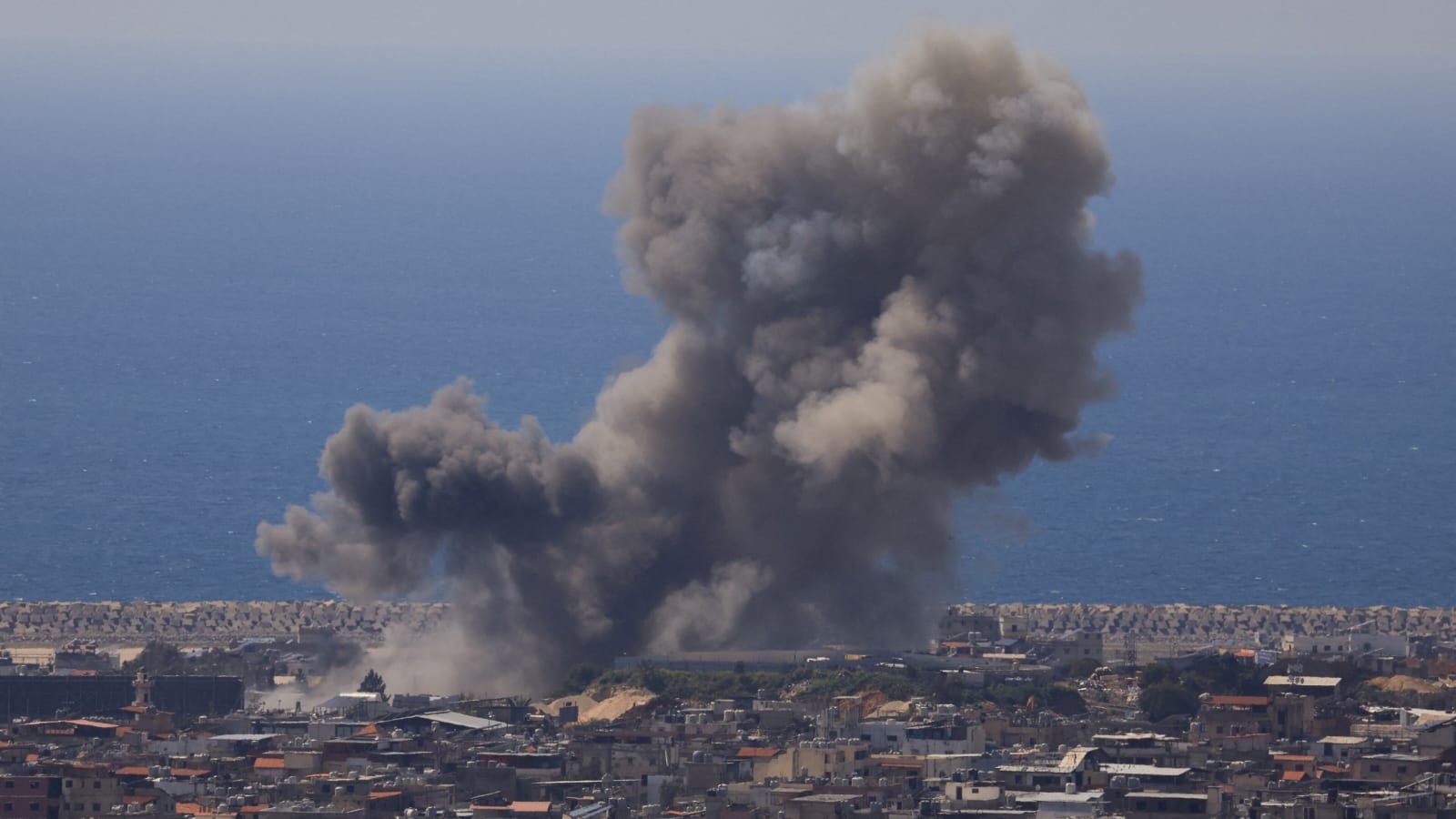
The surge in gold prices is closely linked to the intensifying conflict across the Middle East. Geopolitical tensions often lead investors to move money away from riskier assets such as stocks or emerging-market currencies.
Instead, investors typically seek safer assets that can maintain value during uncertain times. Gold has historically played this role during wars, political crises and financial instability.
When conflicts intensify, global markets often enter what analysts call a “risk-off environment.” During such periods, investors prioritise capital preservation rather than high returns.
As a result, demand for gold tends to increase significantly. This pattern has been clearly visible in recent days as the widening regional conflict drives investors toward defensive assets.
Global Gold Market Responds to Uncertainty
The rise in UAE gold prices reflects broader trends in international bullion markets. Global spot gold prices have climbed as investors react to geopolitical tensions and financial market volatility.
Analysts say safe-haven demand could remain strong as long as uncertainty persists. When geopolitical risks increase, investors often rebalance their portfolios.
This usually involves increasing holdings in defensive assets such as:
-
Gold
-
Silver
-
Government bonds
-
The US dollar
These assets tend to perform better during periods of economic instability. Gold, in particular, is valued because it is not directly tied to the economic performance of any single country. This makes it an attractive investment during global crises.
Energy Market Risks Support Gold Prices
Another factor driving gold prices higher is the impact of the conflict on global energy markets. Oil prices have also risen due to concerns that military tensions could disrupt major shipping routes. One of the most critical energy corridors is the Strait of Hormuz, which carries a significant share of the world’s oil exports.
If tensions escalate and shipping routes become disrupted, energy prices could rise sharply. Higher oil prices often lead to increased inflation worldwide. When inflation rises, investors frequently turn to gold as a hedge against currency depreciation.
Gold has historically maintained its purchasing power better than many currencies during inflationary periods. This combination of geopolitical uncertainty and energy market risks has created strong support for gold prices.
How Investors Behave During Global Crises
Financial markets often follow predictable patterns during periods of geopolitical instability. Investors typically reduce exposure to high-risk assets such as equities and emerging-market currencies. Instead, capital flows into safer investment options.
Common safe-haven assets include:
-
Gold and precious metals
-
US dollar-denominated assets
-
Government bonds
-
Cash reserves
Among these choices, gold remains one of the most widely recognised safe-haven investments. Both institutional investors and individual buyers often increase gold purchases during times of uncertainty. This increased demand can quickly push prices higher in global markets.
Impact on UAE Retail Gold Buyers
Rising gold prices have mixed implications for consumers in the UAE. For investors who already hold gold, higher prices increase the value of their assets. Many investors view gold as a long-term store of wealth, especially during uncertain economic periods.
However, jewellery buyers may face higher costs when purchasing gold ornaments or investment bars. The UAE has a strong jewellery market, particularly during festive seasons and major celebrations.
Rising prices can influence consumer behaviour. Some buyers may delay purchases in hopes that prices will stabilise. Others may still buy gold as a long-term investment despite higher prices.
Gold’s Strong Performance in 2026
Gold has already shown strong performance during the early months of 2026. Several global factors have contributed to the precious metal’s rise.
These include:
-
Rising geopolitical tensions
-
Global economic uncertainty
-
Inflation concerns
-
Financial market volatility
Analysts say gold prices have gained significantly this year as investors respond to these risks. Demand for safe-haven assets tends to increase whenever uncertainty spreads across financial markets. As a result, gold has become one of the most closely watched commodities in global markets this year.
UAE’s Role in the Global Gold Trade
The UAE plays a central role in the global gold trade. Dubai in particular is one of the world’s most important gold trading hubs. The city connects major gold markets across Asia, Europe and Africa.
Dubai hosts large gold refineries, trading companies and jewellery markets that handle billions of dollars in transactions each year. Because of this strategic position, international gold price movements are quickly reflected in UAE retail markets.
Traders and investors closely monitor gold prices in Dubai as an indicator of regional demand. The UAE’s strong gold trading infrastructure has helped establish the country as a key player in the global bullion industry.
Market Outlook for Gold Prices
Market analysts say gold prices may continue to fluctuate depending on geopolitical developments. If tensions in the Middle East escalate further, safe-haven demand could push prices even higher. However, if diplomatic efforts reduce the risk of wider conflict, gold prices may stabilise or experience short-term corrections.
Several economic factors could influence gold prices in the coming months, including:
-
Central bank interest rate decisions
-
Currency exchange rate movements
-
Global inflation trends
-
Economic growth forecasts
Investors therefore remain cautious as they monitor developments in both geopolitical and financial markets.
Broader Financial Market Implications
The rise in gold prices also reflects broader concerns about global economic stability. Stock markets around the world have experienced volatility as investors react to the evolving geopolitical situation. Financial analysts warn that prolonged conflict could disrupt energy supplies and increase inflation.
Such conditions could also slow global economic growth. In uncertain economic environments, demand for defensive assets typically remains strong. Gold often becomes a preferred investment during these periods.
This explains why the precious metal continues to attract attention from investors seeking to protect their wealth.
Gold prices in the UAE have climbed again as escalating tensions in the Middle East drive investors toward safe-haven assets. The increase reflects broader global trends, where geopolitical uncertainty, energy market risks and financial market volatility are encouraging investors to shift toward gold.
With Dubai serving as one of the world’s leading gold trading centres, price movements in the UAE closely mirror global investor sentiment. As the regional conflict continues to evolve, gold prices are likely to remain sensitive to geopolitical developments and economic conditions.
For investors and market watchers alike, gold will remain an important indicator of how global markets respond to uncertainty.