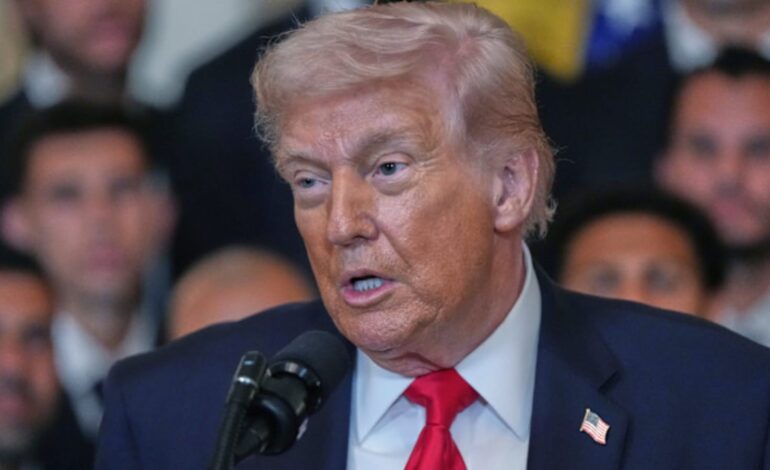

US President Donald Trump said the United States and Israel are rapidly dismantling Iran’s military infrastructure as their joint campaign against Tehran intensifies. Speaking during remarks at the White House, Trump claimed that coordinated strikes by US and Israeli forces have already caused major damage to Iran’s naval assets, air defence systems, missile infrastructure and military communications.
According to the president, the military operation is progressing faster than anticipated and has already significantly weakened Iran’s weapons capabilities. His comments come amid escalating tensions across the Middle East, raising global concerns about the potential expansion of the conflict and its broader geopolitical implications.
While the claims highlight the scale of the military campaign, independent verification of the full extent of the damage remains limited as the conflict continues to develop.
Trump Claims Major Military Gains
During his remarks, Trump described the ongoing military campaign as a significant strategic success for both the United States and Israel. He said the coordinated strikes have targeted multiple components of Iran’s military infrastructure and achieved notable results within a short period.
“The United States military, together with our wonderful Israeli partners, continues to totally demolish the enemy far ahead of schedule and at levels people have never seen before,” Trump said.
He emphasised that the joint operation has weakened Iran’s ability to conduct military operations and respond effectively to attacks.
Trump’s comments also highlighted the close coordination between US and Israeli forces, reflecting the long-standing strategic partnership between the two countries in addressing regional security challenges.
Iranian Naval Forces Reportedly Suffer Major Losses
One of the most striking claims made by Trump involved Iran’s naval capabilities. The president stated that Iran’s navy had suffered significant losses during the military operation.
According to him, dozens of Iranian naval vessels were destroyed within just a few days of coordinated strikes.
“The navy is gone – 24 ships in three days. That’s a lot of ships,” Trump said.
Iran’s naval forces play a crucial role in the country’s defence strategy, particularly in the Persian Gulf and the Strait of Hormuz. These waterways are strategically important because they serve as one of the world’s most vital shipping routes for oil and natural gas.
Iran has historically relied on both conventional naval forces and smaller fast-attack vessels to patrol these waters and project influence in the region. If confirmed, the destruction of a large number of naval assets could significantly affect Iran’s maritime operational capacity.
However, military analysts note that Iran also employs asymmetric naval tactics, including smaller boats and unconventional strategies, which can make it more difficult to eliminate its maritime capabilities entirely.
Iran’s Air Defence Systems Targeted
Trump also claimed that the military campaign has substantially weakened Iran’s air defence network. According to his statement, coordinated strikes have destroyed key anti-aircraft systems and aviation assets.
“Their anti-aircraft weapons are gone. They have no air force, no air defence. All of their airplanes are gone,” Trump said.
Air defence systems are critical for protecting a nation’s military bases, infrastructure and airspace from enemy aircraft, drones and missiles. The loss of these systems could leave important facilities vulnerable to additional air strikes.
The destruction of aircraft and air defence installations could also reduce Iran’s ability to conduct aerial operations or intercept incoming attacks.
Despite these claims, defence analysts caution that Iran has invested heavily in layered air defence systems and underground facilities designed to protect critical military infrastructure from aerial bombardment.
Missile Infrastructure and Military Communications Damaged
Another key component of Iran’s military capabilities mentioned by Trump is its missile programme. The president said Iranian missile infrastructure and military communication networks had been heavily damaged during the operation.
“All of the communications are gone. Missiles are gone,” Trump said.
Iran’s missile programme is widely considered one of the most advanced in the Middle East. The country has developed various ballistic and cruise missiles capable of striking targets across the region.
These missile systems form a central pillar of Iran’s defence strategy and are intended to deter potential adversaries. Damage to missile infrastructure could significantly reduce Iran’s ability to launch retaliatory strikes or project military power beyond its borders.
However, experts note that Iran has historically built redundant systems and underground storage facilities that may allow parts of its missile programme to remain operational even after sustained attacks.
Increasing US–Israel Military Coordination
Trump’s remarks also underscore the deepening military coordination between the United States and Israel during the ongoing conflict.
Israel has long identified Iran as one of its most significant security threats, citing concerns about Tehran’s missile programme and its alliances with armed groups across the Middle East.
As a result, security cooperation between Washington and Tel Aviv has intensified in recent years. Joint operations targeting Iranian military infrastructure represent a continuation of this strategic partnership.
Reports suggest that coordinated strikes have targeted several types of facilities, including:
-
Naval bases
-
Air defence installations
-
Missile launch facilities
-
Weapons storage depots
-
Military command and communication centres
Such operations demonstrate the extensive intelligence sharing and strategic planning between the two allies.
Iran’s Military Capabilities Under Pressure
Iran maintains one of the most extensive military infrastructures in the Middle East. Its armed forces include conventional army units, missile forces, drone programmes and naval assets.
In addition to its regular military branches, Iran relies heavily on the Islamic Revolutionary Guard Corps (IRGC), which plays a key role in managing strategic weapons programmes and regional military operations.
Iran’s defence strategy focuses heavily on deterrence and asymmetric warfare. Rather than matching the conventional military strength of Western powers, the country has developed systems designed to complicate potential attacks.
These capabilities include:
-
Ballistic and cruise missiles
-
Armed drones
-
Underground missile bases
-
Fast attack naval vessels
-
Regional alliances with allied armed groups
Because of this layered structure, analysts say that even extensive strikes may not completely eliminate Iran’s military capabilities.
Nevertheless, the recent attacks described by Trump suggest that several key elements of Iran’s military infrastructure may have been significantly weakened.
Regional Conflict Intensifies
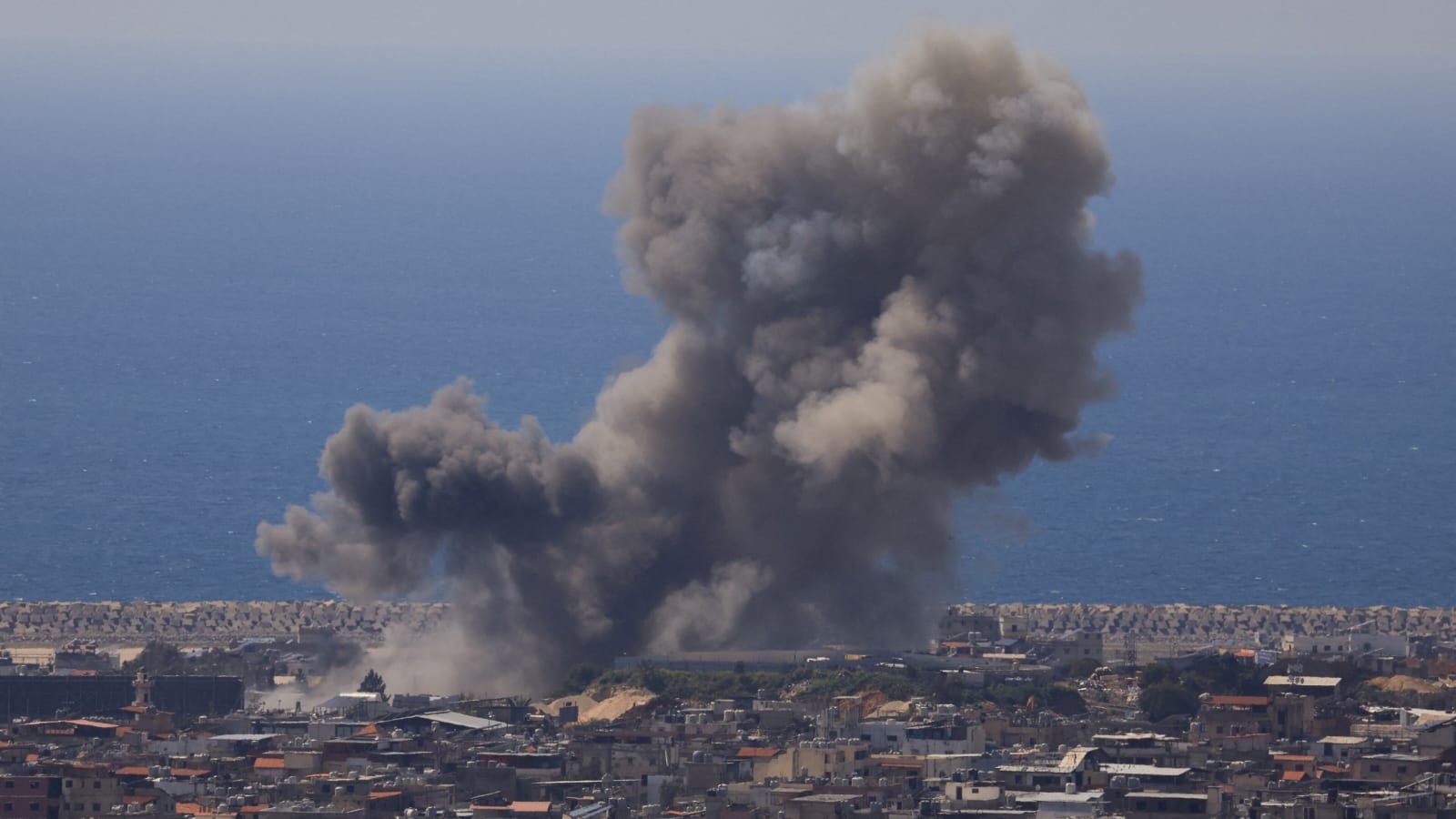
The confrontation between Iran, the United States and Israel has dramatically increased tensions across the Middle East.
Several countries in the region have reported missile or drone activity, prompting heightened security alerts and air defence responses.
Regional governments are closely monitoring the situation as the conflict carries the risk of drawing additional countries into the confrontation.
The Middle East already faces multiple geopolitical rivalries and security challenges. A prolonged military conflict involving major regional powers could further destabilise the region.
Impact on Global Energy Markets
The escalating conflict is also affecting global energy markets. Investors are closely watching developments in the Middle East because the region plays a critical role in the global supply of oil and natural gas.
One of the main concerns involves the potential disruption of shipping routes through the Strait of Hormuz.
This narrow waterway connects the Persian Gulf to the global ocean and is responsible for transporting a significant share of the world’s oil exports.
If military operations disrupt shipping in this corridor, global energy prices could rise sharply.
Oil markets have already shown increased volatility as traders respond to growing geopolitical uncertainty.
Aviation and Global Security Concerns
The conflict is also influencing global aviation and security planning.
Airlines often adjust their flight routes during periods of military escalation to avoid potentially dangerous airspace. Several international carriers have already modified flight paths to reduce risk.
Governments around the world are also assessing the security implications for their citizens and military personnel stationed in the Middle East.
The possibility of a broader conflict has prompted international organisations and governments to call for restraint.
Calls for Diplomacy and De-escalation
Despite the ongoing military operations, many global leaders continue to emphasise the importance of diplomacy in reducing tensions.
Several countries have called for negotiations aimed at preventing further escalation and stabilising the region.
Diplomatic engagement is often considered essential in preventing military confrontations from expanding into large-scale regional conflicts.
International mediators may attempt to facilitate dialogue between the parties involved, although the prospects for immediate negotiations remain uncertain.
Challenges in Verifying Battlefield Claims
While Trump’s statements describe significant progress in the military campaign, independent verification of battlefield outcomes remains limited.
In modern conflicts, information can often be influenced by strategic messaging from different sides. Governments frequently present developments in ways that support their political or military objectives.
As a result, analysts rely on satellite imagery, intelligence assessments and independent reporting to confirm the extent of damage to military infrastructure.
Until more verified information becomes available, the true impact of the strikes on Iran’s military capabilities will continue to be evaluated.
Uncertain Future for the Conflict
The situation across the Middle East remains highly volatile as military operations continue.
Trump’s statement that US and Israeli forces are “totally demolishing” Iran’s weapons capability reflects the intensity of the current confrontation. According to his claims, the joint campaign has significantly damaged Iran’s navy, air defence systems and missile infrastructure.
However, the long-term consequences of the conflict remain uncertain.
If military operations continue at their current pace, they could reshape the region’s security dynamics and alter the balance of power among major Middle Eastern actors.
At the same time, diplomatic initiatives may still play an important role in determining whether the conflict escalates further or eventually moves toward a negotiated resolution.
For now, governments, analysts and global markets are closely watching developments as events unfold in one of the world’s most strategically important regions.