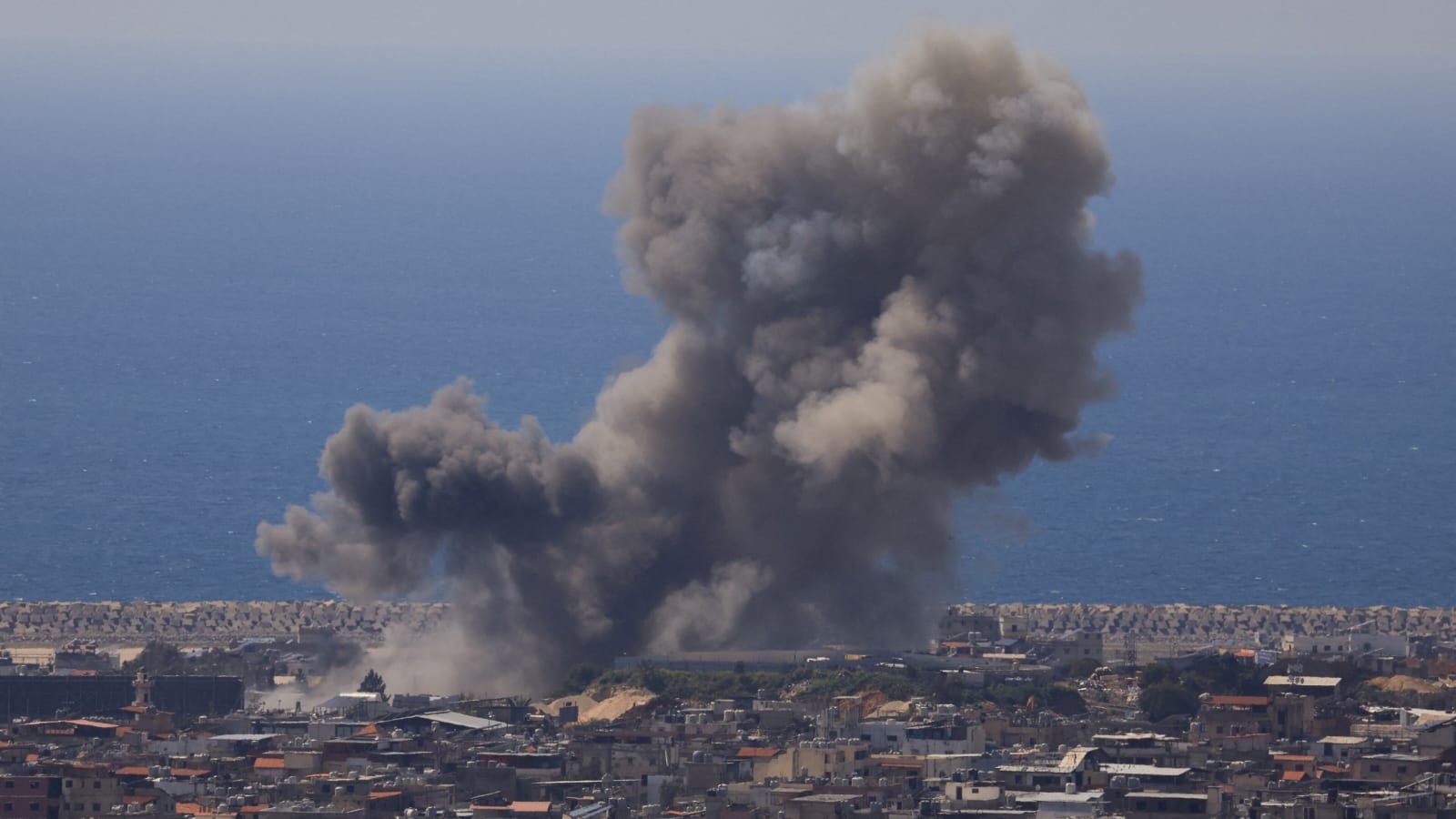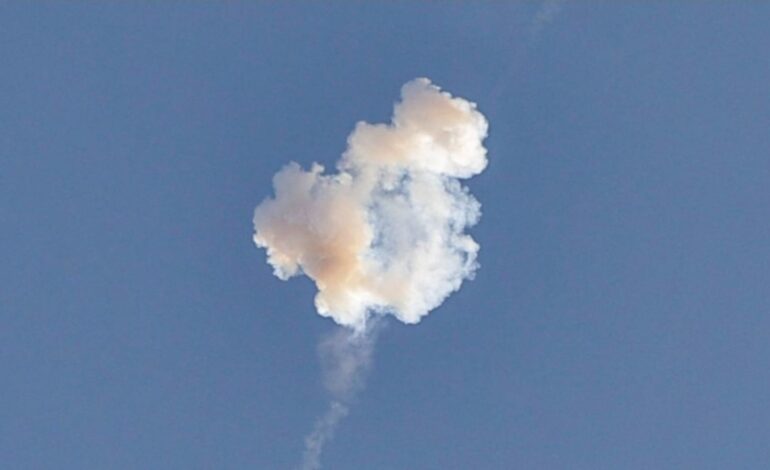

The Qatar Ministry of Defence has confirmed that its air defence forces successfully intercepted a drone attack targeting Al Udeid Air Base, the largest United States military installation in the Middle East. The attempted strike was neutralised before the unmanned aircraft could reach its intended target, preventing potential damage to the base and ensuring the safety of personnel stationed there.
The incident highlights the growing security concerns across the Gulf region as tensions continue to escalate amid the wider conflict involving Iran, Israel, and their international allies. Officials in Qatar said the country’s air defence systems responded quickly after detecting the incoming threat.
The attempted drone attack underscores the increasingly volatile security environment in the Middle East and demonstrates the importance of advanced air defence capabilities in protecting critical military infrastructure.
Qatar Air Defence Forces Intercept Incoming Drone
According to an official statement released by the Qatar Ministry of Defence, the Qatar Emiri Air Defence Forces successfully intercepted the drone before it could strike the military base.
The ministry explained that radar systems detected the unmanned aerial vehicle approaching the airspace around Al Udeid Air Base, prompting an immediate response from air defence units.
In its statement, the ministry said:
“Qatar Emiri Air Defence Forces successfully intercepted a drone attack targeting Al Udeid Air Base.”
Authorities confirmed that the interception prevented any damage to the facility and ensured the safety of military personnel stationed at the base.
Officials did not immediately provide details about the origin of the drone or the group responsible for launching the attempted attack. However, the incident comes at a time when drone and missile activity has increased significantly across the region.
The successful interception demonstrates Qatar’s readiness to respond rapidly to potential aerial threats targeting strategic military installations.
Strategic Importance of Al Udeid Air Base
The attempted attack has drawn attention to the strategic significance of Al Udeid Air Base, which plays a central role in military operations across the Middle East.
Located southwest of Doha, the base serves as a major hub for the United States Armed Forces in the region.
Al Udeid Air Base hosts thousands of US military personnel and supports a wide range of operations, including:
-
Air combat missions
-
Intelligence and surveillance operations
-
Logistics and supply coordination
-
Command and control activities
The base is also home to the forward headquarters of United States Central Command, commonly known as CENTCOM. This command oversees US military operations across several regions, including the Middle East, Central Asia and parts of South Asia.
Because of its strategic importance, Al Udeid Air Base has long been considered a potential target during periods of heightened geopolitical tension in the region.
Protecting the base is therefore a top priority for both Qatar and the United States.
Rising Regional Tensions Across the Middle East
The attempted drone strike comes amid escalating tensions across the Middle East as military confrontations involving Iran, Israel, and the United States continue to unfold.
Recent developments have included missile exchanges, drone strikes and heightened military activity in several parts of the region.
Security analysts say these developments have increased the risk of attacks targeting key infrastructure, including:
-
Military bases
-
Energy facilities
-
Shipping routes
-
Strategic airports
Countries across the Gulf have placed their security forces on heightened alert as the conflict raises concerns about potential spillover effects.
The incident involving Al Udeid Air Base reflects the broader regional instability and the growing use of drones and missiles in modern warfare.
Qatar Strengthens Defence Preparedness
In response to the evolving security environment, Qatar has strengthened its defence preparedness and placed air defence systems on high alert.
Military authorities have enhanced monitoring of the country’s airspace and increased coordination between radar systems and defence units responsible for intercepting aerial threats.
The government has emphasised that protecting national infrastructure and ensuring the safety of civilians and military personnel remain top priorities.
Advanced air defence systems deployed across Qatar are designed to detect incoming missiles, drones and other aerial threats at long distances.
These systems allow defence forces to respond rapidly and intercept potential attacks before they reach their targets.
The successful interception of the drone targeting Al Udeid Air Base demonstrates the effectiveness of these defensive measures.
Cooperation Between Qatar and the United States
The presence of US forces at Al Udeid Air Base reflects the long-standing security partnership between Qatar and the United States.
Over the years, the base has become one of the most important military facilities used by the United States in the Middle East.
Through this partnership, both countries conduct joint military exercises, intelligence sharing and security operations aimed at maintaining regional stability.
The base plays a vital role in supporting US operations across several conflict zones and strategic areas in the Middle East.
Military cooperation between Qatar and the United States includes:
-
Joint training exercises
-
Air defence coordination
-
Intelligence sharing
-
Counterterrorism operations
Experts say this cooperation strengthens the ability of both countries to respond effectively to emerging threats.
The presence of allied forces also serves as a deterrent against attacks targeting critical infrastructure in the region.
Drone Warfare Increasing in Modern Conflicts
The attempted attack on Al Udeid Air Base also highlights the growing role of drones in modern military conflicts.
Unmanned aerial vehicles (UAVs) have become increasingly popular tools in warfare due to their relatively low cost and ability to strike targets from long distances.
Various armed groups and military forces across the Middle East have incorporated drones into their strategic operations.
Drones are often used for:
-
Surveillance and reconnaissance missions
-
Target identification
-
Precision strikes on military installations
-
Attacks on infrastructure
Because drones are smaller and harder to detect than traditional aircraft, they can pose significant challenges for air defence systems.
However, advances in radar technology and interception systems have improved the ability of countries to detect and neutralise such threats.
The successful interception of the drone targeting Al Udeid Air Base demonstrates how modern air defence systems can counter these evolving threats.
Security Implications for the Gulf Region
Security experts warn that attacks targeting military bases hosting foreign troops could further increase tensions across the Gulf region.
A successful strike on a facility like Al Udeid Air Base could have serious geopolitical consequences.
Such an attack could potentially trigger wider military responses and increase the risk of regional escalation.
For this reason, Gulf countries have been investing heavily in strengthening their defence systems and enhancing cooperation with international allies.
Many states in the region have deployed advanced missile defence systems designed to intercept both ballistic missiles and drones.
Regional security cooperation is also becoming increasingly important as countries work together to protect shared interests and critical infrastructure.
Protecting Strategic Infrastructure
Military bases are not the only potential targets during periods of regional instability.
Critical infrastructure such as oil facilities, ports and airports also face increased security risks during geopolitical conflicts.
The Gulf region is home to some of the world’s most important energy infrastructure and shipping routes.
Protecting these assets is essential not only for regional stability but also for global economic security.
Countries across the region have therefore been strengthening their surveillance systems, early-warning capabilities and defensive measures.
The interception of the drone targeting Al Udeid Air Base demonstrates the importance of maintaining strong defensive capabilities to safeguard key installations.
Global Impact of Rising Middle East Tensions
The growing tensions in the Middle East have implications that extend far beyond the region.
Global markets closely monitor developments in the Gulf because the region plays a critical role in the world’s energy supply.
Any disruption to oil production or shipping routes could affect global energy prices and economic stability.
In addition to energy markets, rising tensions can also impact:
-
International aviation routes
-
Maritime security
-
Diplomatic relations between countries
Governments and international organisations continue to urge restraint and diplomatic engagement to prevent the conflict from escalating further.
Calls for De-escalation and Diplomacy
As tensions rise across the Middle East, global leaders have repeatedly called for diplomatic solutions to reduce the risk of further escalation.
Diplomatic negotiations are often viewed as essential in preventing military confrontations from expanding into broader regional conflicts.
Several countries have urged all parties involved in the conflict to pursue dialogue and avoid actions that could intensify hostilities.
International organisations have also emphasised the importance of maintaining stability in the Gulf region due to its strategic significance.
Despite these calls for diplomacy, security forces across the region remain on high alert as military operations and threats continue.
Qatar Demonstrates Strong Defensive Capability
Qatar’s successful interception of the drone targeting Al Udeid Air Base highlights the country’s preparedness to defend its territory and protect critical infrastructure.
The swift response by the Qatar Emiri Air Defence Forces demonstrates the effectiveness of modern air defence systems and the importance of maintaining constant vigilance in a volatile security environment.
As tensions continue to rise across the Middle East, countries in the region are expected to remain alert and strengthen their defence coordination with international partners.
The incident also reinforces the strategic importance of Al Udeid Air Base and the vital role it plays in regional security operations.
With geopolitical tensions showing little sign of easing, safeguarding key military and infrastructure sites will remain a top priority for governments across the Gulf.