Iran-Backed Iraqi Militia Claims 23 Attacks Across Iraq and Region

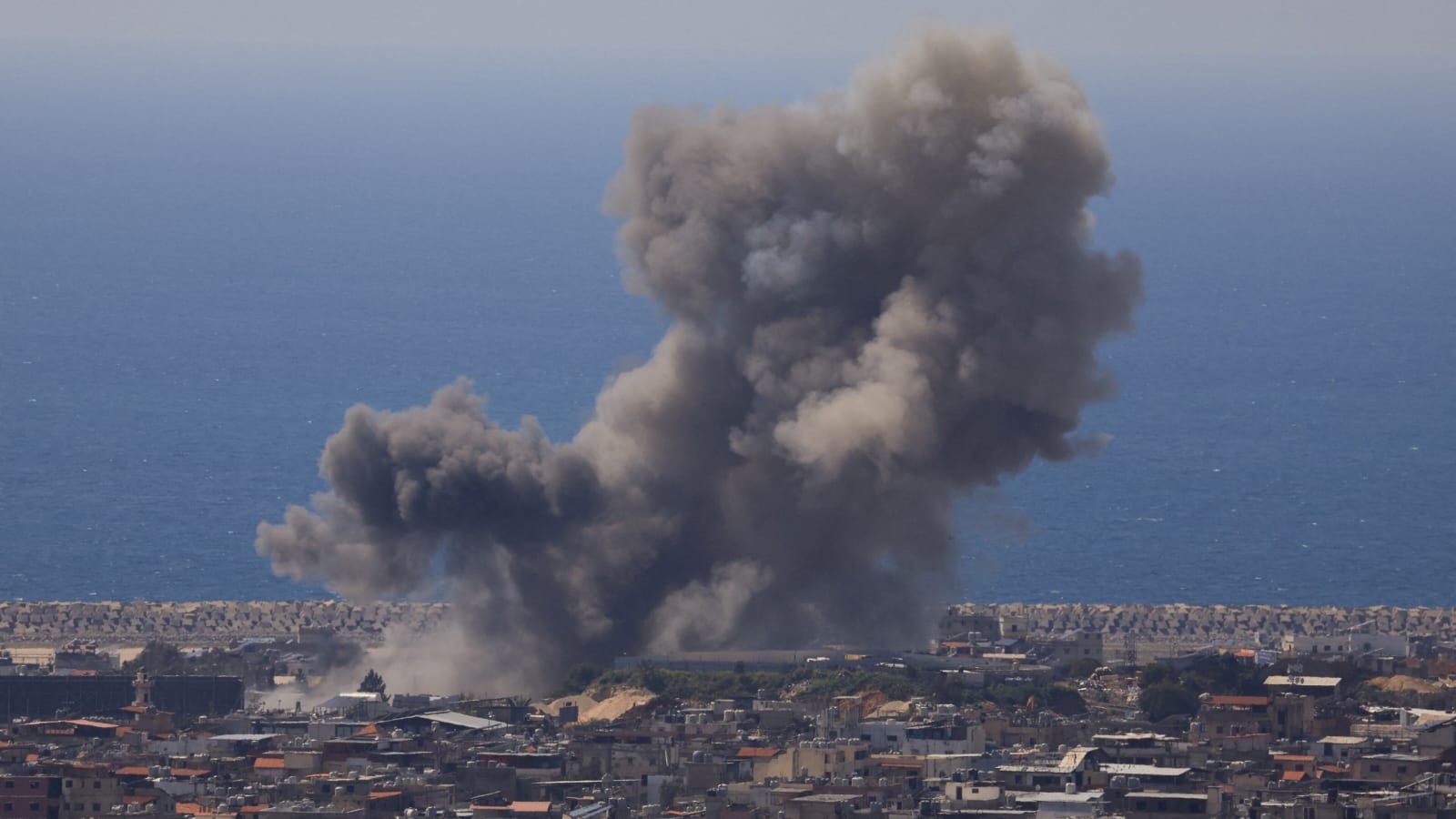
The Iran-aligned militia coalition known as the Islamic Resistance in Iraq has claimed responsibility for a series of coordinated attacks across Iraq and nearby areas, stating that it carried out 23 military operations within 24 hours using drones and missiles.
The announcement signals a major escalation in militant activity amid the widening regional conflict involving Iran, Israel, and the United States. The confrontation has triggered retaliatory operations by several Iran-aligned armed groups across the Middle East.
According to the militia coalition, the attacks targeted military facilities and strategic locations across Iraq and surrounding regions. The development has raised concerns among security analysts that proxy groups could further expand the conflict across multiple countries.
Militias Claim Coordinated Attacks Across Iraq
In an official statement released through affiliated media channels, the Islamic Resistance in Iraq said its fighters carried out 23 attacks within a single day.
The coalition reported launching dozens of missiles and drones during these operations. Militia representatives described the targets as “enemy sites” located across Iraq and neighbouring areas.
The group stated that the operations form part of a broader campaign linked to the escalating confrontation involving Iran and its regional allies.
Security analysts note that the announcement appears designed to demonstrate the operational capacity of the militia network and signal its readiness to participate in the wider regional conflict.
While independent confirmation of each attack remains limited, the claim reflects the increasing role of militia groups in shaping the security landscape of the Middle East.
Expansion of Drone and Missile Warfare
The reported attacks highlight the growing use of drones and precision missiles by armed groups operating across the region.
Over the past decade, Iran-aligned militias have increasingly adopted drone technology because it is relatively inexpensive and capable of travelling long distances.
Unmanned aerial vehicles allow militant groups to strike targets without risking fighters on the ground. These drones can also evade traditional defence systems if deployed in large numbers.
Security experts say drone warfare has become one of the most important tools in modern asymmetric conflict.
Militia groups often combine drones with ballistic missiles or rockets to overwhelm air defence systems and increase the likelihood of hitting strategic targets.
The reported use of both drones and missiles in the latest attacks suggests a coordinated operational strategy aimed at increasing pressure on military installations and rival forces.
Who Are the Islamic Resistance in Iraq?
The Islamic Resistance in Iraq operates as an umbrella network that includes several Iran-aligned militias active inside Iraq.
Many of these groups maintain ideological and military ties with Iran and are part of a broader regional alliance often referred to as the “Axis of Resistance.”
This network includes militant organisations and political factions operating across several countries in the Middle East.
Some of the militias within the coalition are also associated with the Popular Mobilization Forces, a large paramilitary umbrella group formed in Iraq during the fight against ISIS.
The Popular Mobilization Forces played a major role in supporting Iraqi security forces during the campaign against ISIS between 2014 and 2017.
While certain militia units formally operate under Iraqi government structures, others maintain separate command chains and close relationships with Iran’s regional allies.
Over the years, several factions within this network have conducted attacks against military bases and strategic facilities across Iraq and neighbouring countries.
Regional Conflict Fuelling Militia Activity
The surge in militia attacks comes amid a rapidly intensifying regional confrontation.
Rising tensions between Iran and Israel have increased the likelihood that allied militia groups will become more active.
Following recent military strikes by the United States and Israel on Iranian-linked targets, several Iran-aligned organisations across the region pledged support for Tehran.
Militia factions in Iraq have repeatedly warned that they may target foreign military bases or allied infrastructure in response to these developments.
Analysts say the involvement of proxy groups significantly increases the complexity of the conflict.
Unlike conventional military confrontations between states, proxy warfare allows countries to exert influence through allied armed groups operating across multiple territories.
This strategy can expand conflicts across borders while limiting direct confrontation between major powers.
Impact on Iraq’s Security and Stability
The growing wave of militia operations presents a serious challenge for the Iraqi government.
Iraq has long attempted to balance its relationships with both Iran and the United States while maintaining internal stability.
However, the actions of armed factions operating within Iraqi territory risk drawing the country deeper into regional tensions.
Security officials in Baghdad have repeatedly warned that militia attacks could undermine national security and destabilise the political environment.
Iraq hosts several foreign military facilities and diplomatic missions, making it a sensitive location for regional confrontations.
Continued attacks by armed groups could increase pressure on the Iraqi government and complicate its efforts to maintain neutrality in the broader conflict.
Growing Drone Threat Across the Middle East
Drone warfare has become increasingly common across conflicts in the Middle East.
Iran-aligned groups operating in Iraq, Syria, Yemen and Lebanon have frequently used drones to strike military installations, oil infrastructure and strategic facilities.
The relatively low cost of drones makes them attractive weapons for non-state armed groups.
Unlike conventional aircraft, drones can be deployed in large numbers and launched from relatively simple platforms.
This capability allows militant organisations to conduct complex operations without the resources required for traditional air forces.
In response, many countries across the region have invested heavily in advanced air defence technologies capable of detecting and intercepting unmanned aerial threats.
These systems rely on radar, electronic warfare tools and interceptor missiles to neutralise incoming drones.
Risk of Wider Regional Escalation
Military analysts warn that the growing number of militia attacks could widen the conflict beyond its current fronts.
Several proxy groups operating across the Middle East have already signalled their willingness to join the confrontation.
Militias in Iraq, Lebanon and Yemen have all expressed support for Iran during the ongoing tensions with Israel and the United States.
If attacks continue to increase, the conflict could spread across several countries simultaneously.
Such a scenario could threaten regional stability and disrupt international trade routes that pass through the Middle East.
Energy infrastructure, shipping lanes and military bases could become potential targets in a broader escalation.
Because the region plays a central role in global energy production, any disruption could have significant consequences for international markets.
International Concerns and Diplomatic Efforts
The rise in militia attacks has drawn concern from governments and international organisations.
Many countries have urged restraint and called for efforts to prevent further escalation.
Global leaders are closely monitoring developments due to the potential impact on energy markets, international trade and regional security.
Diplomatic channels remain active as governments attempt to reduce tensions between the major powers involved in the confrontation.
International organisations have also encouraged dialogue and de-escalation to prevent the conflict from expanding into a wider regional war.
However, analysts caution that the involvement of multiple armed groups operating across different countries makes the situation particularly complex.
Proxy Warfare and the Future of the Conflict
The claim by the Islamic Resistance in Iraq that it carried out 23 drone and missile attacks highlights the growing role of proxy groups in modern Middle Eastern conflicts.
Proxy warfare allows regional powers to project influence beyond their borders while avoiding direct military confrontation.
However, this strategy also increases unpredictability and the risk of unintended escalation.
Militia groups often operate independently and may launch attacks that trigger broader military responses.
This dynamic can quickly transform local incidents into wider regional crises.
Security experts warn that the continued use of drones, missiles and proxy forces could make future conflicts in the region more technologically sophisticated and harder to contain.
The Islamic Resistance in Iraq’s claim of 23 missile and drone attacks within 24 hours underscores the intensifying role of militia groups in the Middle East’s evolving conflict.
As tensions continue to rise between Iran, Israel and the United States, proxy groups operating in Iraq and neighbouring countries are becoming increasingly active.
The growing use of drones and missiles by these organisations highlights the changing nature of modern warfare in the region.
Governments across the Middle East are now strengthening air defence systems and security strategies to counter these emerging threats.
The coming weeks will likely prove critical in determining whether the conflict stabilises or expands into a broader regional confrontation involving multiple countries and armed groups.