Israeli Commandos Clash with Hezbollah Fighters

Tensions in the Middle East escalated further after Hezbollah reported a direct clash with Israeli commandos in eastern Lebanon. The confrontation reportedly occurred near the town of Nabi Sheet in the Bekaa Valley.
This incident marks a rare ground engagement between Hezbollah fighters and Israeli forces inside Lebanese territory. Most past confrontations occurred through missiles, artillery, or air strikes.
The clash comes amid a rapidly expanding regional crisis involving Israel, Iran, and the United States. Military activity has increased across several parts of the Middle East, raising fears of a wider war.
Israeli Commandos Reportedly Enter Eastern Lebanon
Hezbollah said Israeli forces carried out the operation overnight using military helicopters.
According to the group, four Israeli helicopters entered Lebanese airspace from the direction of Syria. The aircraft landed in a mountainous area between the towns of Yahfoufa, Khraibeh, and Maraboun.
Hezbollah stated that Israeli commando units moved toward the eastern outskirts of Nabi Sheet after landing.
Fighters from the group detected the movement shortly before midnight. They quickly advanced toward the area and confronted the Israeli troops.
The encounter reportedly occurred near a cemetery on the edge of the town.
Israel has not yet confirmed the operation.
Rare Ground Combat Between Hezbollah and Israel
Direct combat between Hezbollah fighters and Israeli soldiers remains uncommon.
Most clashes between the two sides involve rocket fire, drone attacks, or air strikes rather than close-range combat.
During the encounter in Nabi Sheet, both sides exchanged light and medium weapons fire.
Security analysts say this type of operation signals a potential shift in tactics. Both sides appear ready to expand their military operations as the conflict grows.
Some experts believe the operation may have aimed to gather intelligence or disrupt Hezbollah activity near the Syrian border.
Israeli Air Strikes Reported After the Clash
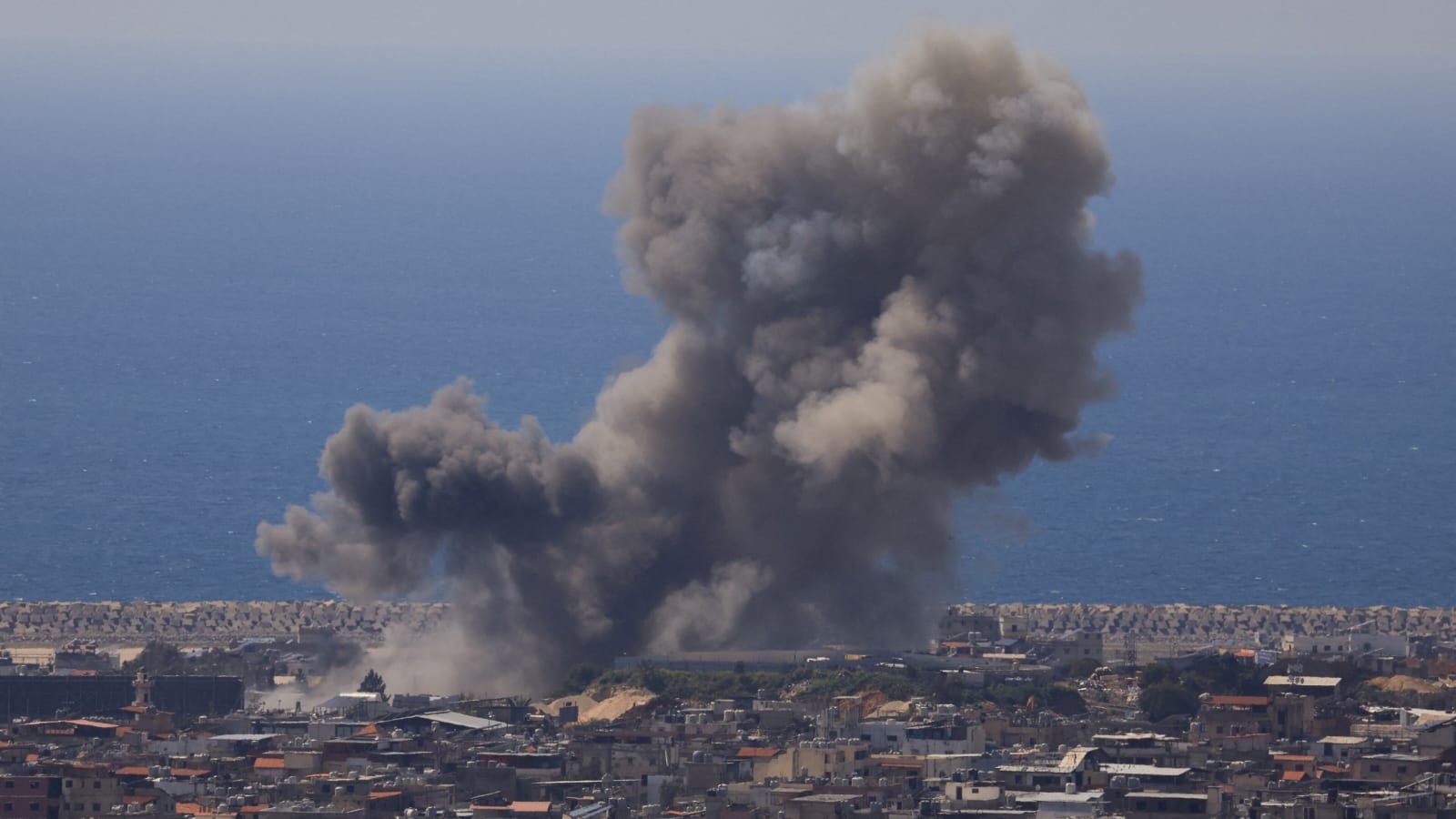
After the ground clash, Israeli aircraft reportedly launched several strikes in the surrounding area. Lebanese media reported at least 13 Israeli air strikes targeting the town of Nabi Sheet.
Hezbollah gave a different estimate. The group said around 40 strikes hit the town and nearby areas.
The attacks reportedly involved fighter jets and military helicopters.
Analysts believe the strikes likely aimed to support the withdrawal of the Israeli commando unit.
Casualties Reported in Nabi Sheet
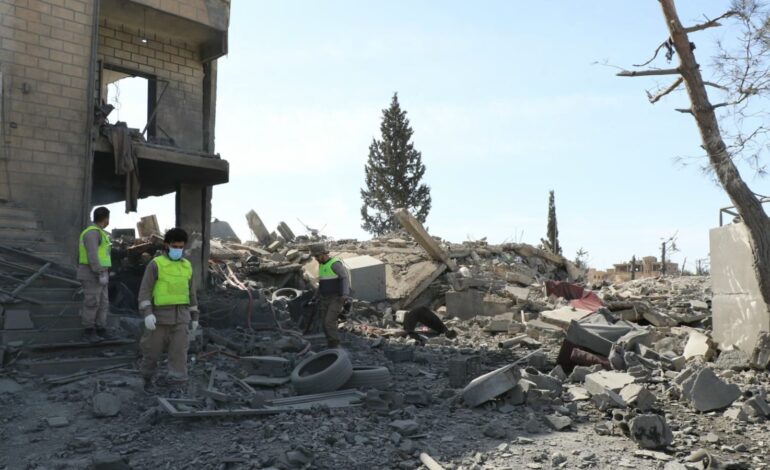
Lebanon’s National News Agency (NNA) reported casualties following the air strikes. According to the agency, four people were killed and at least 13 others were injured.
The strikes reportedly hit residential neighbourhoods in the town. Emergency teams rushed to the area to search for survivors. Rescue workers also began clearing debris from damaged buildings.
Operations continued across parts of the Baalbek-Hermel region, which lies near the Syrian border.
Officials have not yet confirmed whether the victims were civilians or fighters.
Local residents described loud explosions and heavy damage during the night.
Hezbollah Claims Retaliatory Fire
Hezbollah said its fighters responded with artillery fire after the clash.
The group claimed it targeted areas around the conflict zone and routes used by Israeli forces during their withdrawal.
Hezbollah also said some residents from nearby villages fired weapons in support of its fighters.
According to the group, Israeli aircraft carried out intense air strikes to cover the withdrawal of the commando team.
Israeli officials have not commented on the claims.
Conflict Expands Across the Middle East
The clash in Lebanon comes during a wider conflict that involves several countries.
Recent weeks have seen major military exchanges between Israel and Iran. The United States has supported Israeli operations against Iranian targets.
These developments have triggered missile launches, drone attacks, and air strikes across the region.
Hezbollah has already launched several missile barrages toward northern Israel in recent days.
The group said the attacks were a response to the joint US-Israeli military campaign targeting Iran.
Northern Israel on High Alert
Israeli authorities have placed northern regions near the Lebanese border on high alert.
The Israeli military has deployed additional troops, tanks, and defensive systems in the area.
Security forces have also strengthened border defenses as tensions continue to rise.
Authorities advised residents in several northern communities to remain vigilant.
Local governments urged people to follow emergency guidance and remain prepared for possible escalation.
Israel has also reinforced its missile defense systems to intercept rockets and drones.
Military officials say the country is ready for prolonged confrontations if attacks continue.
Global Leaders Express Growing Concern
The conflict has triggered concern among international leaders and global organizations.
Several governments have urged all parties to exercise restraint and avoid further escalation.
Diplomatic efforts continue as leaders attempt to prevent the conflict from spreading.
However, ongoing military operations have complicated these efforts.
Analysts warn that continued clashes could draw more countries into the conflict.
The situation remains highly volatile across the region.
Strategic Importance of the Bekaa Valley
The Bekaa Valley holds major strategic importance in Lebanon.
The region lies near the Syrian border and serves as a key stronghold for Hezbollah.
Military experts say the valley has long functioned as an important logistical corridor between Lebanon and Syria.
The area also contains suspected weapons storage facilities and training sites linked to Hezbollah.
The region’s rugged terrain and mountainous landscape provide natural cover for military operations.
For these reasons, the Bekaa Valley often becomes a focal point during conflicts involving Israel and Hezbollah.
Rising Risk of a Wider War
Security experts warn that direct clashes between Israel and Hezbollah could escalate quickly.
Hezbollah reportedly holds a large arsenal of rockets and missiles capable of reaching deep inside Israel.
Israel, meanwhile, maintains advanced air power, intelligence capabilities, and missile defense systems.
A large-scale conflict between the two sides could cause severe damage across the region.
Experts also warn that further escalation could involve additional regional powers.
Such a scenario could transform the current crisis into a broader Middle East war.
Civilian Populations Face Growing Threat
Civilians face increasing danger as tensions rise.
Communities in southern Lebanon, the Bekaa Valley, and northern Israel already live under the threat of missile strikes and air attacks.
Schools, hospitals, and critical infrastructure could face disruption if the conflict intensifies.
Humanitarian organizations warn that a major war could displace thousands of people across Lebanon and Israel.
Lebanon already struggles with severe economic and political challenges. A larger conflict could worsen the humanitarian situation significantly.
Uncertain Future for the Region
The reported clash between Israeli commandos and Hezbollah fighters represents a significant development in the escalating conflict.
Air strikes in the Bekaa Valley and reported casualties have increased fears of wider hostilities.
Military activity continues across several parts of the Middle East.
Regional and global leaders now face growing pressure to prevent further escalation.
For now, tensions remain extremely high along the Lebanon-Israel border.
Both sides appear prepared for additional confrontations in the coming days.
The situation continues to evolve rapidly, and the coming weeks may prove critical for the region’s stability.