
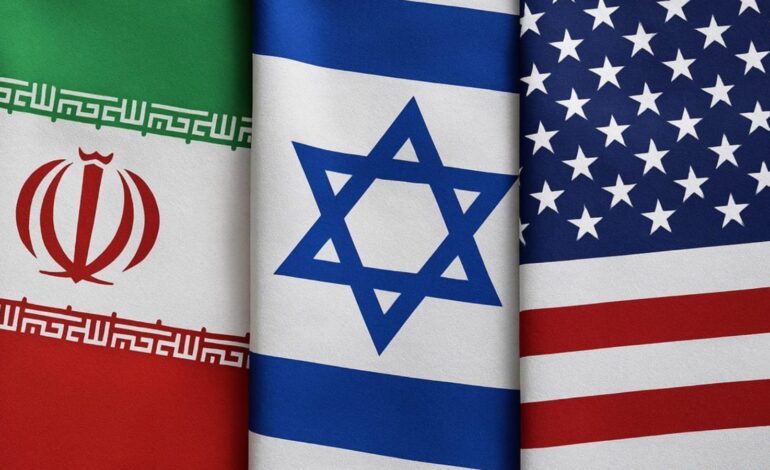

Tensions across the Middle East continue to escalate as missile and drone attacks intensify amid the ongoing conflict involving Iran, Israel and the United States. The growing confrontation has triggered widespread security alerts across Gulf countries as air defence systems intercept incoming projectiles and governments urge residents to remain cautious.
Several regional governments, including the United Arab Emirates, Bahrain, Kuwait and Saudi Arabia, have reported missile interceptions and drone attacks targeting strategic infrastructure and military facilities.
The escalating situation has raised concerns among global leaders and international organisations about the possibility of a wider regional war. Analysts warn that further escalation could affect global energy markets, shipping routes and geopolitical stability.
As the crisis unfolds, governments across the Gulf have strengthened security measures while calling for calm and diplomatic solutions.
Iranian Attacks Target Gulf States
Missile and drone attacks across the Gulf region have raised alarms among governments and residents. Defence systems in several countries have intercepted incoming threats aimed at critical infrastructure.
Authorities in Bahrain confirmed that an Iranian strike damaged a desalination plant. Officials stated that the facility suffered structural damage but continued to operate without disrupting the national water supply.
Desalination facilities remain essential infrastructure in the Gulf region because most countries rely on desalinated seawater for drinking and domestic use.
Bahraini authorities also reported that falling debris from intercepted missiles caused injuries and structural damage in several areas. One of the affected sites included a university building in the city of Muharraq, located near the capital Manama.
Emergency services quickly responded to the affected locations and secured the areas while engineers assessed the damage.
Officials reassured residents that essential services, including water supply and electricity, remain fully operational.
Air Defence Systems Activated Across the Gulf
Air defence systems across the Gulf region have played a crucial role in intercepting incoming missiles and drones during the escalating conflict.
Authorities in Kuwait confirmed that defence forces intercepted three ballistic missiles aimed at strategic locations.
Emergency responders were also deployed after drone attacks caused fires near sensitive sites, including areas close to Kuwait International Airport.
Meanwhile, the Saudi Ministry of Defence reported that air defence systems intercepted several drones targeting sensitive sites near the capital Riyadh and other strategic areas.
Saudi officials stated that the defence systems successfully neutralised the threats before they reached their intended targets.
Military analysts say advanced air defence technologies have played an important role in limiting the impact of missile and drone attacks across the region.
However, they also warn that continued attacks could strain regional defence systems if the conflict persists.
Missile Alerts in Abu Dhabi
Residents in Abu Dhabi received mobile phone alerts warning of potential missile threats as defence systems responded to incoming projectiles.
Authorities instructed residents to seek shelter indoors and stay away from windows while interception operations were underway.
Loud booms were reported across the city as air defence systems destroyed incoming threats in the sky.
Officials said the alerts formed part of emergency safety procedures designed to protect residents during missile interceptions.
The warnings followed earlier interceptions that had already taken place over parts of the city, highlighting the high level of security alert across the United Arab Emirates.
Authorities later confirmed that defence systems successfully intercepted the incoming projectiles without causing major damage.
GCC Condemns Iranian Attacks
The Gulf Cooperation Council strongly condemned Iranian attacks targeting Bahrain and Kuwait.
GCC Secretary-General Jasem Mohamed Albudaiwi described the strikes as dangerous acts that threaten regional stability.
He warned that targeting civilian infrastructure and essential services violates international law and the principles outlined in the United Nations Charter.
The GCC reaffirmed that member states stand in solidarity with countries facing attacks and emphasised the need to strengthen collective security.
Regional leaders also stressed the importance of diplomatic efforts aimed at preventing further escalation.
Iran Says It Can Sustain Long War
Officials from Iran’s military leadership have issued statements suggesting that the country is prepared for a prolonged conflict.
The Islamic Revolutionary Guard Corps (IRGC) said Iran could sustain an intense confrontation with Israel and the United States for up to six months.
IRGC spokesman Ali Mohammad Naini said Iranian forces have so far used first- and second-generation missile systems in the conflict.
He indicated that more advanced weapons could be deployed if hostilities continue.
The comments appear aimed at demonstrating Iran’s military readiness and signalling that the country remains capable of continuing the confrontation.
Security analysts say such statements may also serve as strategic messaging intended to influence political negotiations and regional perceptions.
Iranian President Addresses Regional Relations
Iranian President Masoud Pezeshkian clarified earlier remarks regarding attacks on Gulf countries.
He stated that his previous comments about suspending attacks had been misunderstood.
According to the president, Iran’s leadership continues to prioritise maintaining good relations with neighbouring states.
“We are brothers and must maintain good relations with our neighbours,” Pezeshkian said while addressing concerns about tensions with Gulf countries.
At the same time, he emphasised that Iran would continue responding to attacks targeting its interests.
Despite these statements, missile attacks and military operations have continued across the region.
Israel Expands Military Operations
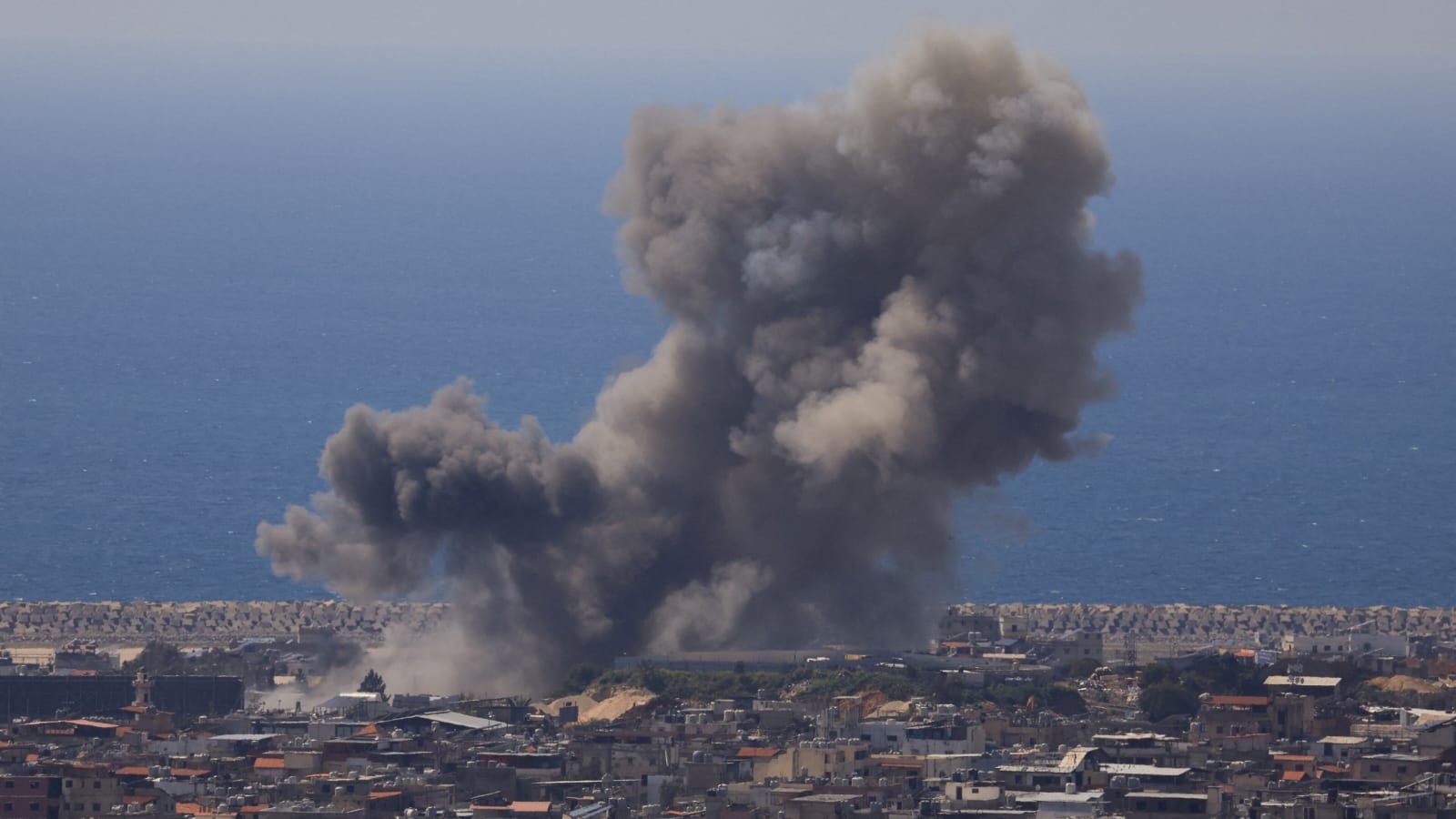
The conflict has expanded beyond Iran’s borders, with Israeli forces launching military strikes in Lebanon.
One of the most notable incidents occurred in the capital Beirut, where Israeli forces targeted the Ramada Hotel Beirut Raouche in the Raouche district.
Israeli officials said the strike aimed at commanders associated with Iran’s Quds Force.
The operation marked the first Israeli strike in central Beirut since hostilities resumed.
Security experts warn that the expansion of the conflict into Lebanon could significantly increase regional instability.
Lebanon has already faced severe economic and political challenges in recent years, and further conflict could deepen the crisis.
Explosion Near US Embassy in Norway
The geopolitical effects of the conflict have also appeared outside the Middle East.
Authorities in Oslo, Norway reported an explosion near the United States Embassy Oslo.
The blast caused minor damage to the entrance of the consular section but did not result in injuries.
Police quickly launched an investigation and began searching for those responsible for the incident.
Officials have not yet confirmed whether the explosion directly relates to the Middle East conflict.
However, the event illustrates how geopolitical tensions can influence security situations far beyond the immediate conflict zone.
Diplomatic Efforts Continue
Despite the escalation, regional leaders have emphasised the importance of diplomacy.
Mohamed bin Zayed Al Nahyan, President of the United Arab Emirates, held discussions with Tamim bin Hamad Al Thani, Emir of Qatar.
Both leaders discussed the deteriorating regional security environment and condemned attacks targeting Gulf countries.
They reaffirmed their commitment to protecting national sovereignty and maintaining regional stability.
The leaders also emphasised that diplomatic dialogue remains essential to preventing further escalation.
Many regional governments continue to support diplomatic initiatives aimed at reducing tensions and encouraging negotiations.
Global Concerns Over Energy Markets
International organisations and economic analysts are increasingly worried about the potential global consequences of the conflict.
The Middle East contains several of the world’s most important energy producers and transport routes.
One of the most critical maritime passages is the Strait of Hormuz, through which a significant share of global oil shipments passes each day.
Any disruption in this region could affect global energy supply and lead to higher oil prices.
Economists warn that prolonged instability could create inflationary pressure and increased volatility in financial markets.
Energy markets have already shown signs of uncertainty as investors monitor developments in the region.
Shipping companies and insurers are also reviewing risk levels for vessels travelling through key maritime routes.
Rising Risk of a Wider Regional Conflict
Security analysts say the ongoing confrontation could evolve into a larger regional crisis if hostilities continue.
Missile interceptions, drone attacks and military operations across multiple countries demonstrate the scale of the current tensions.
The conflict now involves several regional and global actors, which increases the complexity of diplomatic efforts.
Experts warn that attacks on infrastructure such as desalination plants, airports and energy facilities could have serious humanitarian consequences.
Because many Gulf countries depend heavily on such infrastructure, disruptions could affect millions of Governments across the region have therefore increased security around strategic facilities.
The escalating confrontation involving Iran, Israel and the United States has created one of the most serious geopolitical crises in the Middle East in recent years.
Missile interceptions, drone attacks and military strikes across multiple Gulf countries highlight the scale of the confrontation.
While regional governments continue strengthening defensive systems and emergency response measures, diplomatic engagement remains essential to preventing a broader conflict.
The situation also carries significant global implications due to the region’s role in energy production and international trade.
As tensions continue to evolve, the international community will play a critical role in encouraging dialogue and supporting efforts to restore stability across the Middle East.
Focus Keyphrase: Iran Israel US conflict Gulf missiles




1 Comment
[…] Israeli forces launched airstrikes on Iranian oil facilities over the weekend as part of the ongoing military confrontation between Iran and a coalition involving Israel and the United States. […]
Comments are closed.