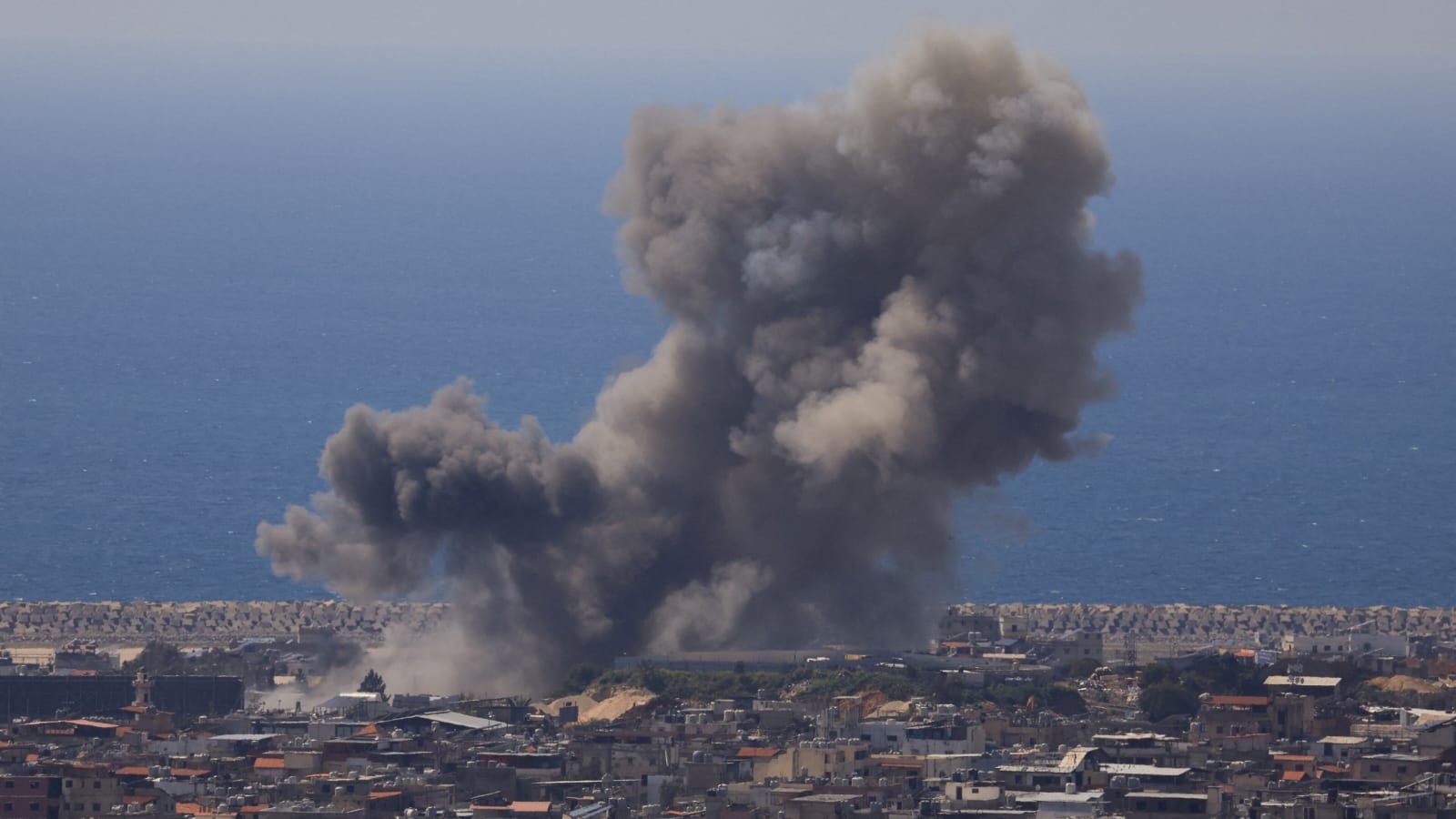

Global financial markets faced fresh turbulence after oil prices surged above $110 per barrel amid escalating tensions involving Iran, Israel and the United States. The sharp increase in crude prices triggered widespread declines across major Asian stock markets as investors reacted to fears of disruptions in global energy supplies.
The surge in oil prices reflects growing concerns that the ongoing conflict could affect key energy infrastructure and shipping routes in the Middle East. One of the main areas of concern is the Strait of Hormuz, one of the world’s most critical oil transit chokepoints.
Analysts warn that prolonged instability in the region could trigger a major energy shock and create ripple effects across global financial markets.
As geopolitical tensions intensify, investors are increasingly shifting funds toward safer assets while reducing exposure to riskier investments such as equities.
Oil Prices Jump as Supply Risks Increase
Global oil markets reacted sharply to the escalating conflict as traders priced in the possibility of supply disruptions from the Middle East.
Benchmark crude oil prices surged past $110 per barrel, reaching their highest levels in years. Energy traders and market analysts say the spike reflects fears that attacks on energy infrastructure or shipping routes could restrict global oil flows.
The Middle East remains one of the world’s most important oil-producing regions, supplying a large share of the global energy market.
Any instability in the region can quickly influence oil prices because global demand for energy remains high.
The current surge comes as military strikes and retaliatory attacks raise concerns about potential damage to oil production facilities, pipelines and export terminals.
Energy markets have therefore become highly volatile, with prices reacting rapidly to developments in the conflict.
Strait of Hormuz at the Centre of Global Energy Concerns
The Strait of Hormuz plays a critical role in global energy trade.
Located between Iran and the Arabian Peninsula, the narrow waterway connects the Persian Gulf with international shipping routes.
Approximately 20 percent of the world’s oil supply passes through the strait each day, making it one of the most strategically important energy chokepoints in the world.
Any disruption to tanker traffic in this region can immediately drive oil prices higher.
Since the conflict escalated, shipping companies have reportedly become more cautious about sending vessels through the strait due to security risks.
Some tankers have slowed or delayed transit while waiting for clearer security conditions.
Energy analysts warn that prolonged disruptions could push oil prices significantly higher in the coming weeks.
Some experts have suggested that prices could rise toward $150 per barrel if energy infrastructure in the region suffers serious damage or if shipping routes remain blocked.
Asian Stock Markets Slide Amid Rising Oil Prices
While higher oil prices can benefit energy-producing countries and oil companies, most global markets reacted negatively to the surge.
Major Asian stock markets experienced sharp declines as investors worried about the economic impact of rising fuel costs and geopolitical uncertainty.
Japan’s Nikkei 225 index dropped more than seven percent during trading, reflecting widespread investor concern.
Meanwhile, South Korea’s Kospi Index fell by approximately 7.6 percent as traders responded to rising market volatility.
Other markets across Asia also recorded significant losses as investors shifted capital away from riskier assets.
Higher oil prices tend to increase production and transportation costs for businesses, which can reduce corporate profits and slow economic growth.
As a result, investors often react negatively when energy prices surge rapidly.
Global Financial Markets React to Energy Shock
The effects of rising oil prices quickly spread beyond Asian markets.
U.S. stock futures fell as investors anticipated potential economic pressure from rising energy costs.
Currency markets also experienced volatility as traders moved toward safer investments.
The U.S. dollar strengthened against several major currencies as investors sought stability amid uncertainty.
Commodity markets saw sharp price movements as well. Metals, agricultural products and other raw materials experienced fluctuations as supply chains adjusted to the new geopolitical risks.
The sudden rise in oil prices has also revived concerns about inflation, which many central banks had been trying to control through higher interest rates.
Economists warn that a prolonged energy shock could complicate global economic recovery.
Energy Security Concerns Grow Worldwide
Energy security has become a major concern for governments around the world as the conflict threatens global oil supplies.
Many countries depend heavily on energy imports from the Middle East.
Major Asian economies such as China, India, Japan and South Korea rely significantly on oil shipments from Gulf producers.
If shipping routes become disrupted or if oil production declines, these countries could face serious economic challenges.
Higher oil prices can increase transportation costs, raise manufacturing expenses and push consumer prices upward.
For economies that rely on large volumes of imported energy, prolonged price increases can slow economic growth and increase financial pressure.
Governments may need to consider strategic oil reserves or emergency energy policies if the situation worsens.
Airlines and Transportation Sectors Under Pressure
The aviation and transportation industries are particularly sensitive to rising oil prices.
Fuel represents one of the largest operational expenses for airlines.
When oil prices surge, airlines often face significantly higher fuel costs.
To offset these expenses, airlines may raise ticket prices or reduce flight schedules.
Logistics companies and shipping operators also face increased operational costs due to higher fuel prices.
In addition, shipping companies operating near conflict zones may face increased insurance costs.
These factors can raise the cost of global trade and contribute to higher prices for goods worldwide.
As a result, consumers may experience rising costs for travel, transportation and imported products.
Oil Market Volatility Expected to Continue
Energy analysts expect oil markets to remain highly volatile as long as geopolitical tensions persist.
The direction of oil prices will largely depend on how the conflict evolves in the coming weeks.
If military activity expands to include major oil facilities or shipping routes, prices could climb even higher.
However, if diplomatic negotiations lead to de-escalation, markets could stabilise.
Energy markets are particularly sensitive to geopolitical risks because supply disruptions can occur quickly during conflicts.
Traders therefore monitor military developments, diplomatic negotiations and shipping activity closely.
Even minor incidents involving oil infrastructure can trigger significant price movements.
Potential Economic Consequences of Rising Oil Prices
Historically, sharp increases in oil prices have often been associated with economic slowdowns.
Higher energy costs affect both businesses and consumers.
Companies face increased production and transportation expenses, while households experience rising costs for fuel, electricity and goods.
These pressures can reduce consumer spending and slow economic activity.
Economists warn that sustained high oil prices could increase inflation across many economies.
Central banks might then be forced to maintain higher interest rates for longer periods.
Higher borrowing costs could slow investment and reduce economic growth.
Financial markets may therefore remain sensitive to oil price movements as the conflict continues.
Outlook for Global Financial Markets
Financial analysts say markets will continue reacting strongly to developments in the Middle East.
Investors are closely monitoring military activity, diplomatic negotiations and potential disruptions to energy infrastructure.
If tensions escalate further, global markets could experience additional volatility.
Oil prices might rise even higher if shipping routes or oil production facilities are affected.
However, any signs of diplomatic progress could quickly calm markets.
Energy prices might stabilise if tensions ease and supply routes remain open.
For now, uncertainty remains the dominant theme across global financial markets.
Investors continue adjusting their strategies as geopolitical risks reshape economic expectations.
The surge in oil prices above $110 highlights the profound economic impact of the escalating conflict involving Iran, Israel and the United States.
With key energy supply routes under threat, global markets are facing significant uncertainty.
Asian stock markets have already reacted sharply, reflecting investor concerns about rising energy costs and geopolitical instability.
The situation also underscores the strategic importance of the Strait of Hormuz in global energy trade.
As governments and investors closely monitor developments in the Middle East, the trajectory of oil prices will depend largely on whether tensions escalate further or diplomatic efforts succeed in restoring stability.
For now, volatility remains the defining feature of global energy and financial markets.