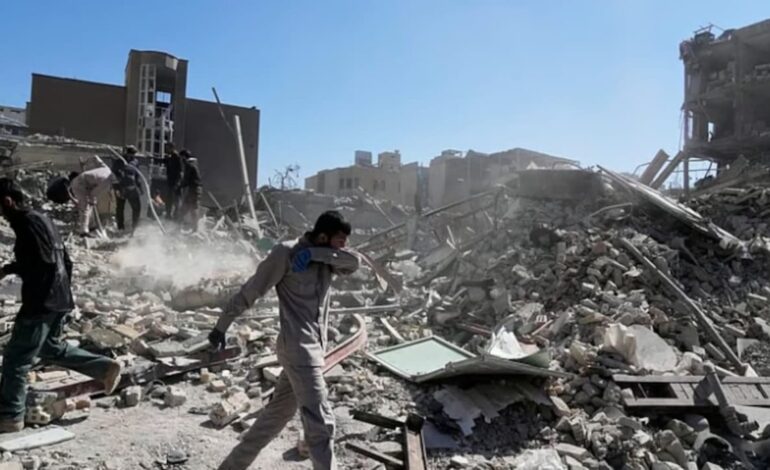

The United States military has carried out one of its largest sustained military campaigns in the Middle East in recent years. According to the United States Central Command (CENTCOM), American forces have struck more than 5,000 targets since the conflict with Iran began.
In a statement shared on the social media platform X, CENTCOM said the operations aim to weaken Iran’s military infrastructure and dismantle key elements of the country’s security apparatus. The strikes target facilities connected to Iran’s missile programme, drone production, intelligence networks and military command systems.
The announcement highlights the scale of the ongoing conflict involving the United States, Israel and Iran. The confrontation has rapidly expanded across the region, with military incidents reported in several Middle Eastern countries.
As tensions continue to rise, analysts warn that the situation could significantly reshape the security landscape of the Middle East.
CENTCOM Reports Thousands of Targets Struck
The United States Central Command confirmed that American forces have conducted strikes against more than 5,000 military targets since the beginning of the conflict with Iran.
CENTCOM oversees US military operations across the Middle East, Central Asia and parts of South Asia. The command coordinates air, naval and ground operations across a vast strategic region.
According to the statement, the campaign focuses on locations linked to Iran’s defence infrastructure. These include command centres, weapons storage facilities and communication networks used by the Iranian military.
Many of the strikes targeted sites associated with the Islamic Revolutionary Guard Corps (IRGC). The IRGC plays a central role in Iran’s military operations and oversees several strategic weapons programmes.
Military officials said the campaign seeks to weaken Iran’s operational capabilities and reduce its ability to conduct attacks across the region.
Key Iranian Military Facilities Targeted
US forces have focused on several categories of high-value military targets during the campaign.
Among the primary targets were IRGC headquarters buildings and intelligence facilities that coordinate military operations. These centres play a critical role in planning and executing military strategies across the region.
American strikes also targeted military communications systems, which allow Iranian forces to coordinate attacks and manage troop movements.
Destroying these communication networks disrupts command structures and reduces the effectiveness of military coordination.
CENTCOM also reported strikes against defence installations and weapons depots believed to support Iran’s missile and drone programmes.
Military officials stated that many of these facilities posed a direct threat to US forces and allied nations operating in the region.
Missile and Drone Manufacturing Facilities Destroyed
One of the central objectives of the US campaign involves targeting Iran’s missile and drone production infrastructure.
Ballistic missiles and unmanned aerial vehicles have played a significant role in the conflict. These weapons allow Iran and allied groups to conduct long-range attacks against military bases, shipping routes and strategic infrastructure.
According to CENTCOM, American forces struck factories, storage facilities and research centres involved in developing these weapons systems.
Military analysts believe that destroying these facilities could significantly slow Iran’s ability to produce missiles and drones.
Officials say disrupting these weapons programmes remains essential to reducing future threats across the Middle East.
The campaign also targeted logistics networks responsible for transporting missile components and drone parts between production facilities and military bases.
Iranian Naval Fleet Suffers Heavy Losses
In addition to air and land targets, US forces have also targeted Iran’s naval capabilities.
CENTCOM reported that more than 50 Iranian naval vessels have been damaged or destroyed during the conflict.
Many of these ships belong to the Islamic Revolutionary Guard Corps Navy, which operates numerous fast-attack boats and patrol vessels in the Persian Gulf.
The IRGC Navy plays an important role in Iran’s maritime strategy. Its vessels often conduct patrols and military exercises in strategic waterways.
Military experts say the destruction of these ships could weaken Iran’s ability to project power in the Persian Gulf and surrounding waters.
Strategic Importance of the Strait of Hormuz
One of the most sensitive areas affected by the conflict is the Strait of Hormuz, a narrow waterway connecting the Persian Gulf with the Gulf of Oman.
This passage serves as one of the most important shipping routes in the world. A significant portion of global oil exports passes through the strait every day.
Iran has historically maintained a strong naval presence in the region. The country uses fast attack boats and patrol vessels to monitor shipping activity.
Damage to Iran’s naval fleet could reduce its ability to threaten or disrupt shipping routes in the area.
Any disruption to traffic through the Strait of Hormuz could have serious consequences for global energy markets.
Strategic Goals of the US Military Campaign
According to CENTCOM, the current military campaign aims to achieve several strategic objectives.
One major goal involves weakening Iran’s ability to conduct military operations against US forces and allied nations.
By targeting command centres and communications networks, US planners aim to disrupt Iran’s command structure and operational coordination.
Another key objective focuses on reducing Iran’s missile and drone capabilities. These weapons have become central tools in modern warfare across the Middle East.
Destroying production facilities and storage sites may slow Iran’s ability to launch future attacks.
The campaign also seeks to protect vital shipping routes and strategic infrastructure across the region.
Conflict Expands Across the Middle East
The ongoing confrontation between the United States, Israel and Iran has spread across multiple countries in the Middle East.
Several Gulf nations have reported drone and missile alerts as tensions continue to rise.
Authorities in the United Arab Emirates have issued emergency alerts following reports of potential aerial threats. Air defence systems in Saudi Arabia have also intercepted drones targeting the kingdom.
In Iraq, US strikes have reportedly targeted militia bases linked to pro-Iran groups.
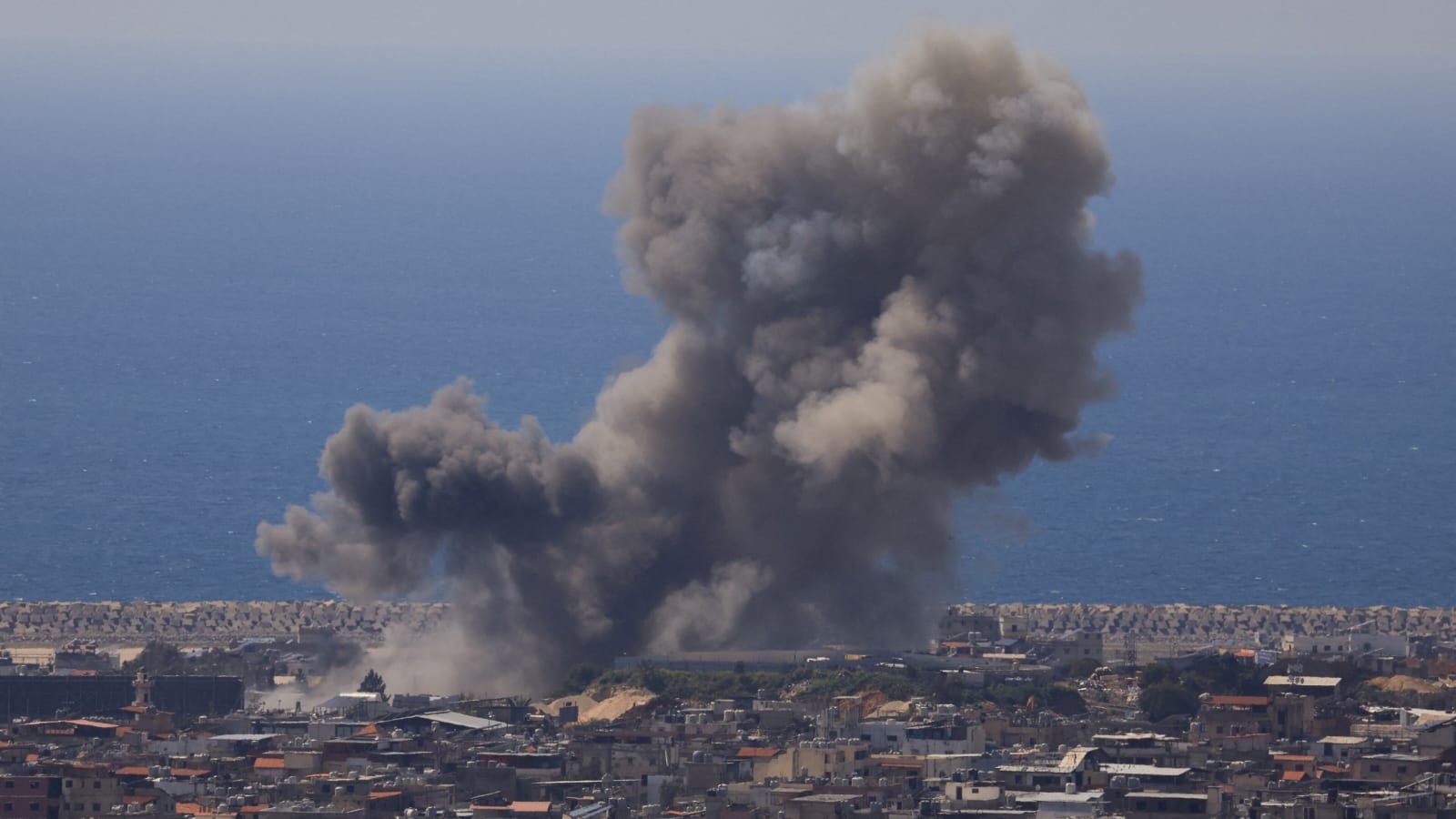
Meanwhile, tensions continue to rise in Lebanon, where clashes between Israeli forces and Hezbollah fighters have intensified.
The widening conflict has raised fears of a broader regional war involving multiple countries and armed groups.
Regional Security Risks Continue to Grow
Security experts warn that the current conflict could trigger further instability across the Middle East.
Several armed groups in the region maintain close ties with Iran. These organisations operate in countries such as Iraq, Syria, Lebanon and Yemen.
Any escalation in the conflict could lead to additional attacks against US forces, Israeli targets or allied infrastructure.
Military analysts also warn that prolonged conflict could encourage more frequent drone and missile strikes across the region.
As the conflict continues, governments across the Middle East have increased security readiness and strengthened air defence systems.
Global Concerns Over Economic Impact
The ongoing conflict has also raised concerns about its potential impact on the global economy.
The Middle East remains one of the most important regions for global energy production and trade.
Any disruption to oil exports from the Gulf region could affect international energy markets.
Shipping routes through the Strait of Hormuz play a critical role in transporting oil and gas supplies to global markets.
If the conflict disrupts maritime traffic in the region, energy prices could rise significantly.
International leaders have therefore expressed concern about the possibility of a prolonged regional war.
Diplomatic Efforts Continue
Despite ongoing military operations, diplomatic efforts continue in several countries.
World leaders and international organisations are attempting to reduce tensions and prevent further escalation.
Diplomats from several major powers have called for restraint from all parties involved in the conflict.
However, with thousands of targets already struck and military operations continuing, negotiations remain challenging.
Many analysts believe the conflict has entered a critical phase that could determine the region’s future security dynamics.
A Defining Moment for Regional Security
The announcement by US Central Command that more than 5,000 targets have been struck since the conflict began highlights the scale of the military campaign.
Few modern conflicts in the Middle East have involved such a large number of coordinated strikes in such a short period of time.
The campaign has targeted key elements of Iran’s military infrastructure, including missile factories, command centres and naval vessels.
These operations aim to weaken Tehran’s military capabilities and reduce its ability to conduct attacks across the region.
The ongoing military campaign led by the United States represents one of the most significant escalations in Middle Eastern security in recent years.
With more than 5,000 targets struck, the scale of the operations reflects the seriousness of the conflict involving the United States, Israel and Iran.
American forces have targeted a wide range of Iranian military infrastructure, including missile production facilities, intelligence centres and naval vessels.
While the campaign seeks to weaken Iran’s military capabilities, the broader conflict continues to spread across the region.
As tensions rise and multiple countries become involved, the coming weeks could prove decisive in determining whether the situation stabilises or escalates further.
Diplomatic efforts continue, but the Middle East now faces one of its most volatile security situations in years.