US to Release 172M Barrels from Oil Reserve
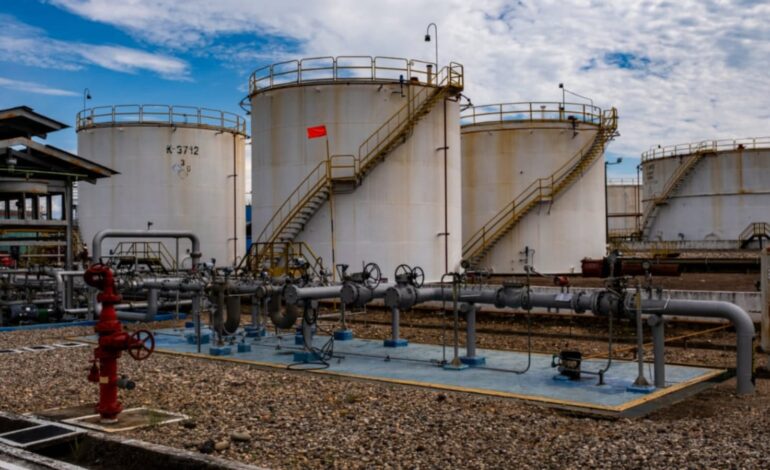

The United States has announced a major intervention in global energy markets. The government plans to release 172 million barrels of oil from the Strategic Petroleum Reserve (SPR). The move aims to stabilise fuel prices and reduce pressure on global energy supplies as geopolitical tensions rise in the Middle East.
The United States Department of Energy confirmed the decision. Officials said the oil will enter the market next week. The release will increase global oil supply and reduce price volatility. Governments and traders remain concerned about disruptions in the Strait of Hormuz, one of the world’s most important oil shipping routes.
Tensions involving Iran, the United States, and Israel have increased fears of disruptions in energy shipments through the Gulf region.
Energy analysts say even the risk of supply disruptions can affect oil prices. By releasing oil from its emergency stockpile, the United States hopes to reassure global markets that additional supply will remain available if tensions continue.
Strategic Oil Release Announced
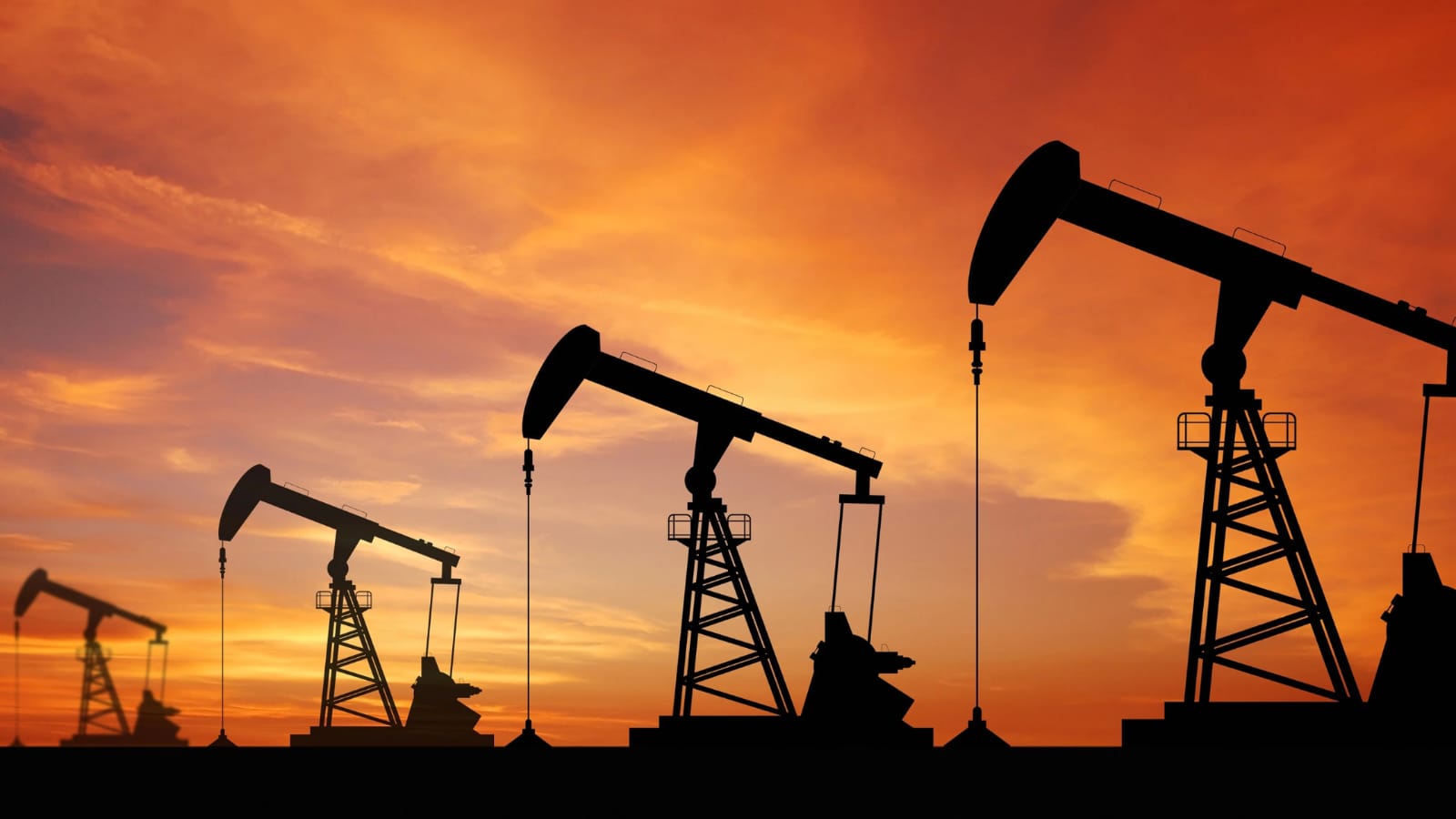
The US Department of Energy confirmed that the government will release 172 million barrels of crude oil from the Strategic Petroleum Reserve. The reserve is one of the largest emergency oil stockpiles in the world.
The United States created the Strategic Petroleum Reserve to protect the country from severe disruptions in energy supply. The government stores the oil in underground salt caverns along the US Gulf Coast. These caverns hold hundreds of millions of barrels of crude oil.
Officials said several factors influenced the decision:
-
Rising global oil prices
-
Growing geopolitical tensions in the Middle East
-
Concerns about shipping route disruptions
-
Increased volatility in energy markets
The release will increase oil supply in global markets. This step may help reduce price spikes and calm investor concerns about shortages.
Governments often use strategic reserves during wars, natural disasters, or major supply disruptions. When authorities release oil from the reserve, energy companies purchase it and move it into global supply chains.
Trump Signals Energy Market Intervention
The decision to use the Strategic Petroleum Reserve followed earlier comments from Donald Trump. He suggested that the administration might act to control rising fuel prices.
During an interview with a local television station in Cincinnati, Ohio, Trump said the government could release oil from the reserve.
“We’re going to take a little bit from the reserve,” he said.
His remarks indicated that Washington was preparing to intervene in energy markets during the current geopolitical crisis.
Government officials later confirmed the plan. They said the administration approved the release to manage market instability caused by rising tensions in the Middle East.
The move highlights how governments can influence energy markets during geopolitical crises.
Coordinated Global Oil Release
The US decision also follows a coordinated announcement by the International Energy Agency (IEA).
IEA member countries agreed to release 400 million barrels of oil from their strategic reserves. This move represents one of the largest emergency oil releases in history.
The coordinated effort aims to:
-
Increase global oil supply
-
Reduce price volatility
-
Strengthen market confidence
-
Offset possible disruptions to shipping routes
Governments hope the collective action will reassure markets. The goal is to show that authorities will act if supply shortages threaten global economic stability.
Energy analysts say coordinated releases often work better than individual actions. They significantly increase the amount of oil entering global markets.
Oil Prices Continue to Rise
Despite the announcement, oil prices continued to increase. Traders remain concerned about the security of energy shipments through the Strait of Hormuz.
Benchmark Brent crude futures rose 4.76 percent, closing at $91.98 per barrel. Meanwhile, West Texas Intermediate (WTI) crude increased 5.98 percent, reaching $92.47 per barrel.
The rise reflects continued market anxiety about possible supply disruptions in the Gulf region.
Recent attacks on shipping vessels and energy infrastructure have raised fears of interruptions in oil supplies.
Oil markets often react to expectations, not just actual supply levels. Even the possibility of disruptions can cause prices to rise quickly.
Importance of the Strait of Hormuz
The Strait of Hormuz is one of the most important maritime routes in the world.
The narrow waterway lies between Iran and the Arabian Peninsula. It connects the Persian Gulf to the Gulf of Oman and the Arabian Sea.
A large share of the world’s oil supply passes through this route every day.
Major oil-exporting countries that rely on the strait include:
-
Saudi Arabia
-
United Arab Emirates
-
Kuwait
-
Qatar
-
Iraq
These countries depend on the route to transport crude oil to global markets.
Any disruption to tanker traffic could affect global energy supplies and prices.
Governments, investors, and energy companies therefore monitor developments in the region closely.
Impact on Global Energy Markets
Geopolitical tensions that affect oil supply routes can quickly influence global markets.
When traders expect supply disruptions, oil prices usually rise. Markets react to the risk of potential shortages.
Higher oil prices can affect the global economy in several ways:
-
Increased transportation costs
-
Higher manufacturing expenses
-
Rising inflation
-
Higher household energy bills
Energy markets remain highly sensitive to events in the Middle East. The region continues to play a central role in global oil production.
Governments often release oil from strategic reserves to stabilise markets during crises.
The Strategic Petroleum Reserve’s Role
The United States created the Strategic Petroleum Reserve after the oil crises of the 1970s.
At that time, severe supply disruptions exposed the vulnerability of energy-importing countries.
The reserve provides an emergency supply of crude oil during crises.
The US stores the oil in large underground salt caverns along the Gulf Coast in Texas and Louisiana. These caverns allow the government to store massive quantities of oil safely.
Over the years, authorities have used the reserve several times to stabilise energy markets.
Examples include:
-
Major hurricanes affecting Gulf Coast infrastructure
-
International conflicts disrupting oil supply
-
Global energy shortages
The reserve remains a critical part of the United States’ energy security strategy.
Economic Implications of Rising Oil Prices
Oil prices affect almost every sector of the global economy.
Higher fuel prices increase transportation costs. Manufacturing expenses also rise because many industries depend on energy.
Businesses often pass these higher costs on to consumers. As a result, goods and services become more expensive.
Sustained increases in oil prices can therefore contribute to higher inflation.
Central banks may face additional pressure if energy prices remain high.
Higher fuel costs can also slow economic growth. Consumers may reduce spending when energy bills increase.
For governments, rising energy prices create pressure to stabilise markets quickly.
Releasing oil from strategic reserves remains one of the most direct tools available to policymakers.
Market Outlook and Future Developments
Energy analysts say the release of oil from strategic reserves may reduce price pressures in the short term.
However, long-term stability will depend on geopolitical developments in the Middle East.
If tensions escalate or shipping routes face disruptions, oil prices could continue to rise.
Because energy markets respond quickly to geopolitical developments, traders and governments are closely monitoring events in the Strait of Hormuz and the wider region.