Citibank Closes UAE Branches Amid Security Concerns
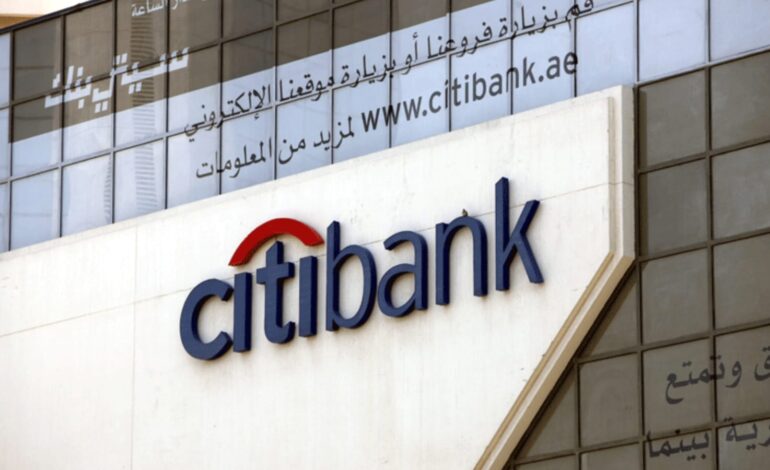

In a precautionary move amid rising geopolitical tensions in the Middle East, Citibank has temporarily closed its physical branches across the United Arab Emirates. The decision comes as security concerns increase following warnings from Iran about potential attacks on economic and banking interests linked to the United States and Israel.
The bank informed customers through an official message that all UAE branches will remain closed from today until Saturday. Officials described the move as a preventive step designed to protect customers, employees, and operational systems during the current security situation in the region.
Despite the temporary closure of physical locations, Citibank confirmed that digital banking services will continue operating normally, ensuring that customers can still access essential financial services.
The announcement highlights how financial institutions are taking precautionary measures to manage risks during periods of geopolitical uncertainty.
Precautionary Closure of Citibank UAE Branches
According to Citibank officials, the closure of branches across the UAE is a purely precautionary measure. The bank emphasised that there has been no direct disruption to its banking systems or financial services.
The decision reflects the institution’s commitment to protecting both customers and employees during a period of heightened regional tensions.
Financial institutions often adopt similar precautionary strategies when geopolitical risks increase. Temporary branch closures, enhanced security protocols, and digital service continuity are common responses aimed at reducing potential operational risks.
Citibank reassured customers that its banking infrastructure remains fully operational and secure despite the temporary shutdown of physical locations.
The bank’s proactive approach demonstrates how international financial institutions prioritise safety and risk management during uncertain situations.
Digital Banking Services Continue Uninterrupted
Although physical branches are temporarily closed, Citibank confirmed that customers can continue to access their accounts through its online banking platform and mobile applications.
These digital platforms allow customers to perform a wide range of financial activities without visiting a branch.
Key services available through digital banking include:
-
Fund transfers between accounts
-
International remittances
-
Bill payments and utility settlements
-
Credit card management
-
Account balance monitoring
-
Transaction history access
Customers can also receive support through customer service channels available via phone, email, and digital communication platforms.
Citibank encouraged customers to rely on these digital tools during the temporary closure period.
Digital banking systems have become increasingly sophisticated in recent years, allowing financial institutions to maintain uninterrupted services even during emergencies or disruptions.
Customers Encouraged to Use Online Platforms
Citibank has urged customers to shift temporarily toward digital banking solutions while branches remain closed.
Online banking platforms and mobile applications offer secure and convenient ways to manage financial activities from anywhere.
In the UAE, digital banking adoption has grown rapidly as customers increasingly prefer mobile and internet-based services.
Many banking operations that once required physical visits to branches can now be completed through secure digital platforms.
Citibank emphasised that its digital systems are designed with strong cybersecurity protections to safeguard customer information and financial transactions.
By encouraging customers to use digital banking tools, the bank aims to ensure that daily financial activities continue without interruption.
Rising Regional Security Concerns
The precautionary closure of Citibank branches comes amid escalating geopolitical tensions in the Middle East.
The ongoing conflict involving Iran, the United States, and Israel has raised concerns about potential attacks targeting economic and financial infrastructure.
Iran recently warned that it could target financial institutions and economic interests linked to Washington and its allies following reports of an attack on an Iranian bank.
Such warnings have prompted governments and corporations across the region to increase security precautions.
Financial institutions are considered critical infrastructure because they play a central role in national economies and international financial systems.
As a result, banks often implement heightened security measures when regional tensions escalate.
Banks Monitoring Regional Developments
Financial institutions across the Middle East are closely monitoring developments related to the ongoing geopolitical crisis.
Banks operate complex digital networks and handle large volumes of financial transactions every day. Ensuring the safety and integrity of these systems is a top priority.
During periods of heightened geopolitical risk, banks may take precautionary steps such as:
-
Temporarily closing branches
-
Increasing cybersecurity monitoring
-
Enhancing physical security at offices
-
Limiting in-person operations
-
Expanding digital service capacity
These measures help financial institutions continue operating while reducing exposure to potential risks.
Citibank’s decision reflects a broader trend among international banks that prioritise safety and operational continuity during periods of uncertainty.
Impact on Customers and Banking Operations
The temporary closure of physical branches may inconvenience customers who prefer in-person banking services. However, most modern banking activities can now be performed digitally.
Online banking platforms allow customers to carry out transactions, check account details, and manage financial services without visiting a branch.
Digital banking has become an essential component of financial services worldwide.
Banks have invested heavily in technology to ensure that their systems remain operational even during unexpected disruptions such as natural disasters, cybersecurity threats, or geopolitical crises.
Citibank’s digital platforms provide customers with secure and efficient access to essential banking functions.
As a result, the impact of the temporary branch closure is expected to remain limited.
UAE Banking Sector Remains Stable
Despite the precautionary closure of Citibank branches, the UAE banking sector remains stable and resilient.
The United Arab Emirates has one of the most advanced financial systems in the Middle East. The country’s banking sector operates under strong regulatory oversight and modern financial infrastructure.
Authorities continue to work closely with banks and financial institutions to maintain stability and security during regional developments.
The UAE has also invested heavily in digital banking technology, allowing financial services to remain accessible even during disruptions.
Experts say the temporary closure reflects proactive risk management rather than any instability in the country’s financial system.
The UAE’s strong regulatory environment and technological capabilities help ensure that banking operations remain secure and reliable.
Importance of Risk Management in Banking
Risk management is a central part of modern banking operations.
Financial institutions constantly assess potential threats to their operations, including economic risks, cybersecurity challenges, and geopolitical developments.
When risks increase, banks often implement preventive measures to protect customers, employees, and financial systems.
These measures may include operational adjustments such as temporary branch closures or increased reliance on digital services.
By acting proactively, banks can reduce potential disruptions and maintain customer confidence.
Citibank’s decision illustrates how international financial institutions adapt quickly to evolving geopolitical circumstances.
Branch Operations Expected to Resume Soon
Citibank confirmed that normal operations at its UAE branches are expected to resume after the precautionary closure period ends.
Customers will be informed through official communications once branches reopen and in-person services become available again.
Until then, the bank advises customers to stay updated through official announcements and use digital banking platforms for their financial needs.
The bank emphasised that the temporary closure does not affect the safety of customer funds or the security of banking systems.
All financial services remain available through digital channels.
Growing Role of Digital Banking
The situation also highlights the increasing importance of digital banking in modern financial systems.
Over the past decade, banks around the world have expanded their online services to provide customers with greater convenience and flexibility.
Digital banking allows customers to manage their finances anytime and from anywhere.
Features such as mobile banking apps, instant transfers, and online customer support have transformed how people interact with financial institutions.
In the UAE, digital banking adoption continues to grow as consumers embrace new financial technologies.
This shift toward digital services allows banks to maintain continuity even during unexpected disruptions.
Citibank’s decision to temporarily close its UAE branches reflects the heightened security awareness among financial institutions during periods of geopolitical tension.
While physical branches remain closed as a precautionary measure, digital banking services continue to operate normally. Customers can still access their accounts, perform transactions, and receive support through secure online platforms.
The move highlights how banks are adapting to evolving security risks while ensuring uninterrupted financial services.
As the regional situation continues to develop, financial institutions across the Middle East are prioritising safety, operational stability, and customer confidence.
With advanced digital banking infrastructure and strong regulatory oversight, the UAE’s financial sector remains well positioned to manage challenges during periods of uncertainty.