UAE Weather Alert: Severe Storms and Heavy Rain
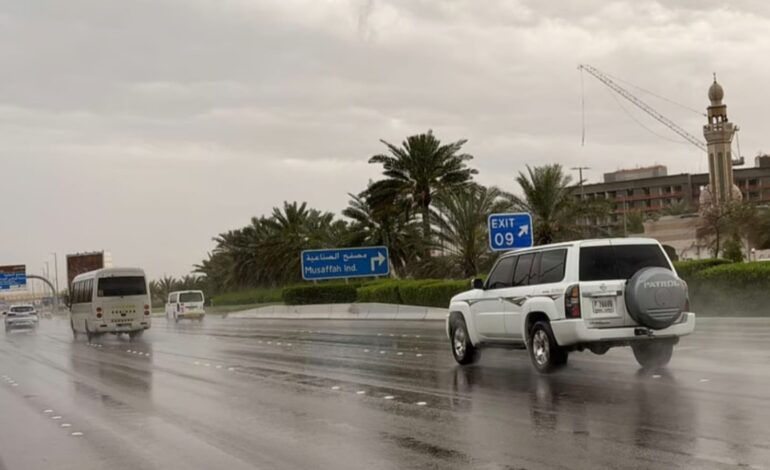

The United Arab Emirates (UAE), known for its arid desert climate and minimal rainfall, is currently experiencing one of the most intense and unusual weather events in recent history. A powerful storm system has swept across the region, bringing heavy rainfall, thunderstorms, strong winds, and even the rare possibility of tornado-like activity.
This extreme weather phenomenon has disrupted daily life, raised concerns about infrastructure resilience, and sparked discussions about climate change and its growing impact on the Middle East.
A Rare and Powerful Storm System in the UAE
Unlike typical rainfall events in the UAE, this storm system is highly unusual in both intensity and structure. Meteorologists describe it as a high-impact weather disturbance driven by a combination of atmospheric instability, moisture influx, and strong upper-level winds.
This type of system is more commonly seen in regions such as North America, where severe thunderstorms and tornadoes are frequent. Its presence over the Arabian Peninsula highlights just how extraordinary the current conditions are.
The storm is expected to peak midweek, with the most severe conditions occurring before gradually subsiding. However, even after the peak, unstable weather may persist for several days.
Record-Breaking Rainfall Across the Emirates
One of the most striking aspects of this event is the unprecedented amount of rainfall recorded in a very short period.
- Ajman recorded up to 93.3 mm of rain
- Western Abu Dhabi saw around 91 mm
- Areas near Abu Dhabi city received nearly 88 mm
To put this into perspective, the UAE typically receives about 100 mm of rainfall annually. This means that some regions experienced almost a full year’s worth of rain in just a single day.
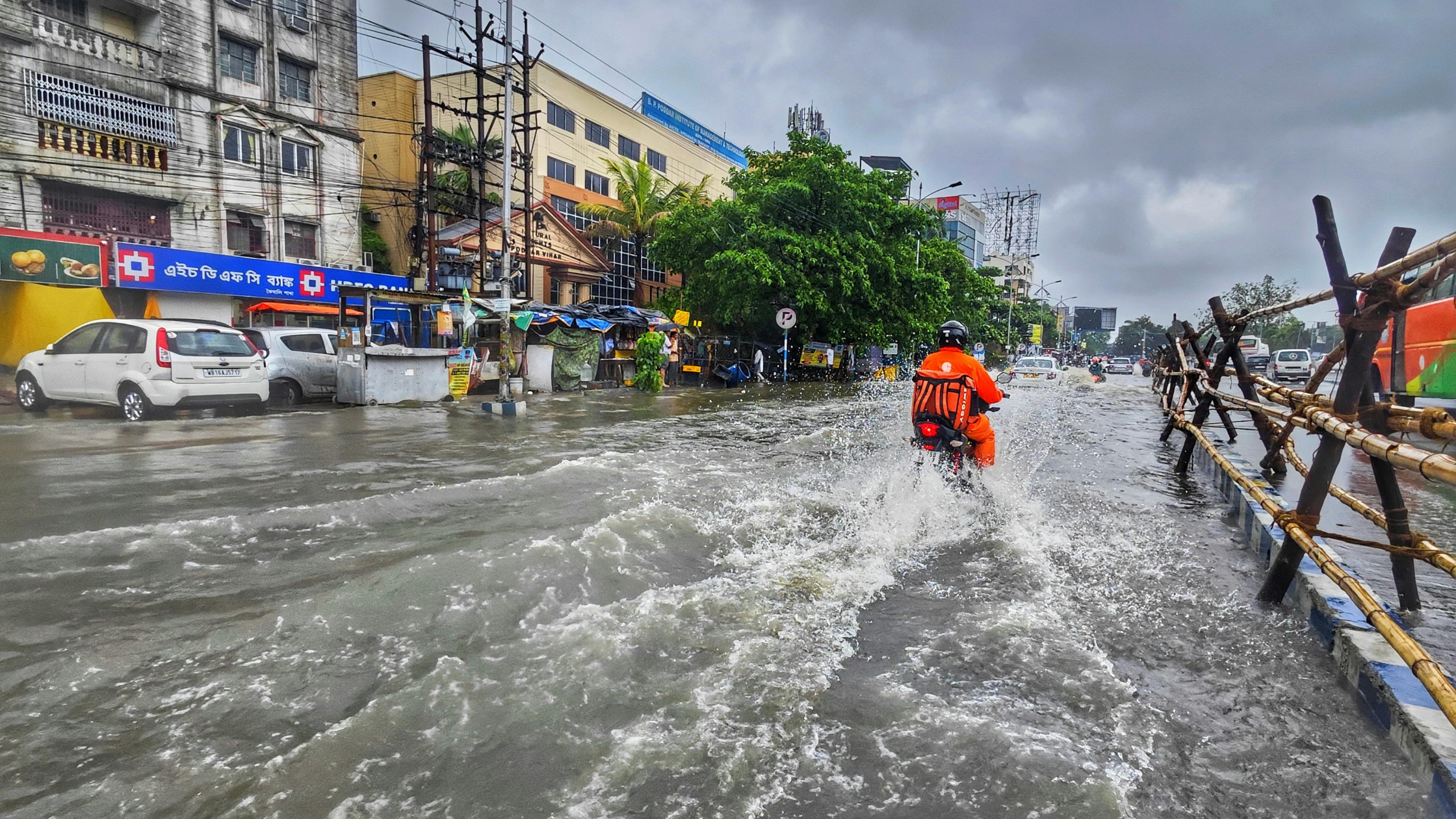
Such intense rainfall has overwhelmed drainage systems, particularly in urban areas, leading to widespread waterlogging and flash flooding.
Impact on Daily Life and Infrastructure
The severe weather has significantly disrupted everyday life across the UAE. Residents have faced multiple challenges, including:
- Flooded roads and highways
- Reduced visibility due to heavy rain and storms
- Traffic congestion and accidents
- Delays and cancellations in public transport and flights
- Temporary closure of public spaces and roads
In addition, wadis normally dry riverbeds have rapidly filled with water, creating dangerous conditions for both drivers and pedestrians.
Authorities have strongly advised residents to stay indoors during peak storm hours and avoid unnecessary travel.
Tornado Risk: A Rare but Serious Concern
Perhaps the most alarming feature of this weather system is the potential for tornado formation. While extremely rare in desert climates like the UAE, meteorologists have warned about the possibility due to the current atmospheric conditions.
Key factors contributing to this risk include:
- Strong atmospheric instability
- Formation of rotating thunderstorms (supercells)
- Interaction of warm, moist air with cooler air masses
Although the likelihood of tornadoes remains low, even the possibility signals the severity of the storm system. In some cases, waterspouts—tornado-like formations over water—may also occur.
What Is Causing This Extreme Weather?
The unusual weather conditions in the UAE are the result of several interacting factors:
1. Low-Pressure Systems
A developing low-pressure area has drawn moisture into the region, creating ideal conditions for cloud formation and storms.
2. Warm and Humid Air
Moist air from surrounding seas, including the Arabian Gulf and the Arabian Sea, is fueling heavy rainfall.
3. Atmospheric Instability
Clashing air masses are generating thunderstorms, lightning, and strong winds.
4. Climate Change Influence
Experts believe that climate change is playing a significant role by increasing atmospheric moisture and weather variability, making extreme events more frequent and intense.
Flooding Risks in Desert Environments
Despite being a desert country, the UAE is highly vulnerable to flash floods. This may seem counterintuitive, but several factors contribute to this risk:
- Sandy soil has low water absorption capacity
- Lack of vegetation reduces natural water retention
- Rapid urbanization increases surface runoff
In cities like Dubai and Abu Dhabi, dense infrastructure and limited drainage systems exacerbate the problem. Even short periods of intense rainfall can lead to significant flooding.
Government Response and Safety Measures
The UAE government has responded quickly to manage the crisis and ensure public safety. Key measures include:
- Issuing weather alerts and warnings
- Deploying emergency response teams
- Monitoring flood-prone areas
- Coordinating with meteorological departments
The National Centre of Meteorology (NCM) continues to provide real-time updates and forecasts to keep residents informed.
Safety Tips for Residents
Authorities have advised the public to:
- Avoid driving through flooded roads
- Stay away from wadis and low-lying areas
- Secure outdoor objects that may be blown away
- Follow official announcements and updates
Public cooperation is crucial in minimizing risks during such extreme weather events.
Impact on Aviation and Transport
The storm has also disrupted transportation systems across the UAE:
Aviation
- Flight delays and diversions have been reported
- Reduced visibility has affected take-offs and landings
- Temporary disruptions at airports
Road Transport
- Flooded roads have slowed traffic
- Increased risk of accidents due to poor visibility
- Road closures in affected areas
Authorities have urged drivers to exercise extreme caution and avoid travel unless necessary.
Regional Impact Beyond the UAE
This storm system is not limited to the UAE alone. It is part of a broader atmospheric disturbance affecting:
- Oman
- Saudi Arabia
- Iran and surrounding regions
The widespread impact highlights the scale and intensity of the weather system, making it a regional concern rather than a localized event.
Climate Change and Future Weather Trends
The increasing frequency of extreme weather events in the UAE has raised serious concerns about long-term climate trends.
Traditionally, the UAE has a hot desert climate characterized by:
- Minimal rainfall
- High temperatures
- Low humidity (except coastal areas)
However, recent years have shown a shift, with:
- More frequent heavy rainfall events
- Increased flooding incidents
- Greater unpredictability in weather patterns
Experts suggest that climate change is altering atmospheric conditions, leading to more intense and irregular weather phenomena.
Lessons from Past Weather Events
The UAE has experienced similar extreme weather events in recent years, including record-breaking rainfall in 2024 that caused widespread flooding.
These incidents have prompted authorities to:
- Improve drainage infrastructure
- Invest in advanced weather monitoring systems
- Enhance emergency preparedness
The current storm serves as another reminder of the importance of long-term planning and climate resilience.
Importance of Public Awareness and Preparedness
Public awareness plays a critical role in managing extreme weather situations. Authorities emphasize the need for residents to:
- Stay informed through official channels
- Avoid spreading misinformation
- Follow safety guidelines strictly
Preparedness at both individual and community levels can significantly reduce the impact of such events.
What to Expect Next
According to weather forecasts:
- Storm activity is expected to peak soon
- Conditions may remain unstable for several days
- Gradual improvement is likely afterward
However, localized heavy rainfall and thunderstorms may continue in certain areas, requiring ongoing vigilance.
The severe weather event currently affecting the UAE is a stark reminder of the growing unpredictability of global climate patterns. Heavy rainfall, flooding, and the rare risk of tornadoes in a desert region highlight the need for increased preparedness and resilience.
While immediate efforts are focused on ensuring public safety, the long-term implications cannot be ignored. Governments, urban planners, and communities must work together to adapt to changing climate conditions.
As extreme weather events become more frequent, the UAE—and the wider region—must invest in sustainable infrastructure, advanced forecasting systems, and public awareness to effectively להתמודד the challenges of an evolving climate.