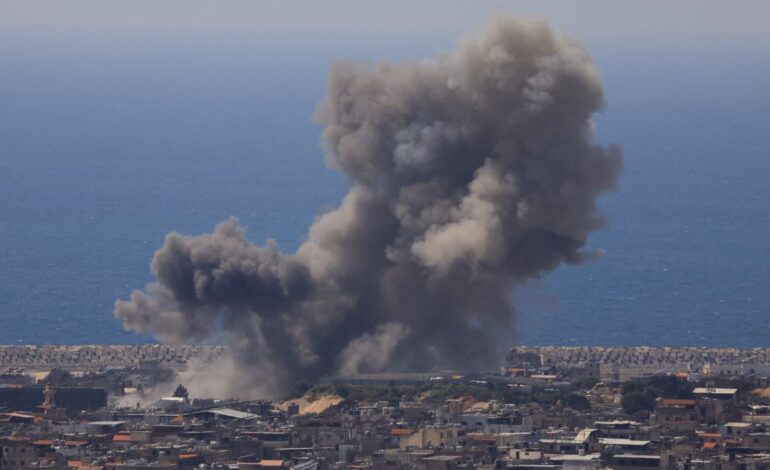

The United Kingdom is preparing to advocate for a more inclusive and comprehensive diplomatic framework in the Middle East, as Foreign Secretary Yvette Cooper is expected to call for the inclusion of Lebanon in any ceasefire agreement between the United States and Iran.
This development comes at a time of heightened regional tensions, where a narrowly defined ceasefire risks leaving critical areas vulnerable to ongoing instability. The UK’s position reflects a growing recognition that Middle East conflicts are deeply interconnected, requiring solutions that go beyond bilateral arrangements.
Push for an Inclusive Ceasefire Framework
At the core of Yvette Cooper’s upcoming speech is the argument that any ceasefire agreement must extend beyond the immediate parties involved. While a US–Iran ceasefire may reduce direct confrontation, it does not automatically stabilise other regions affected by the conflict.
Key Priorities Expected in the Speech:
- Ensuring meaningful progress in ongoing negotiations
- Preventing a relapse into armed conflict
- Including Lebanon within ceasefire arrangements
- Addressing broader regional threats linked to Iran
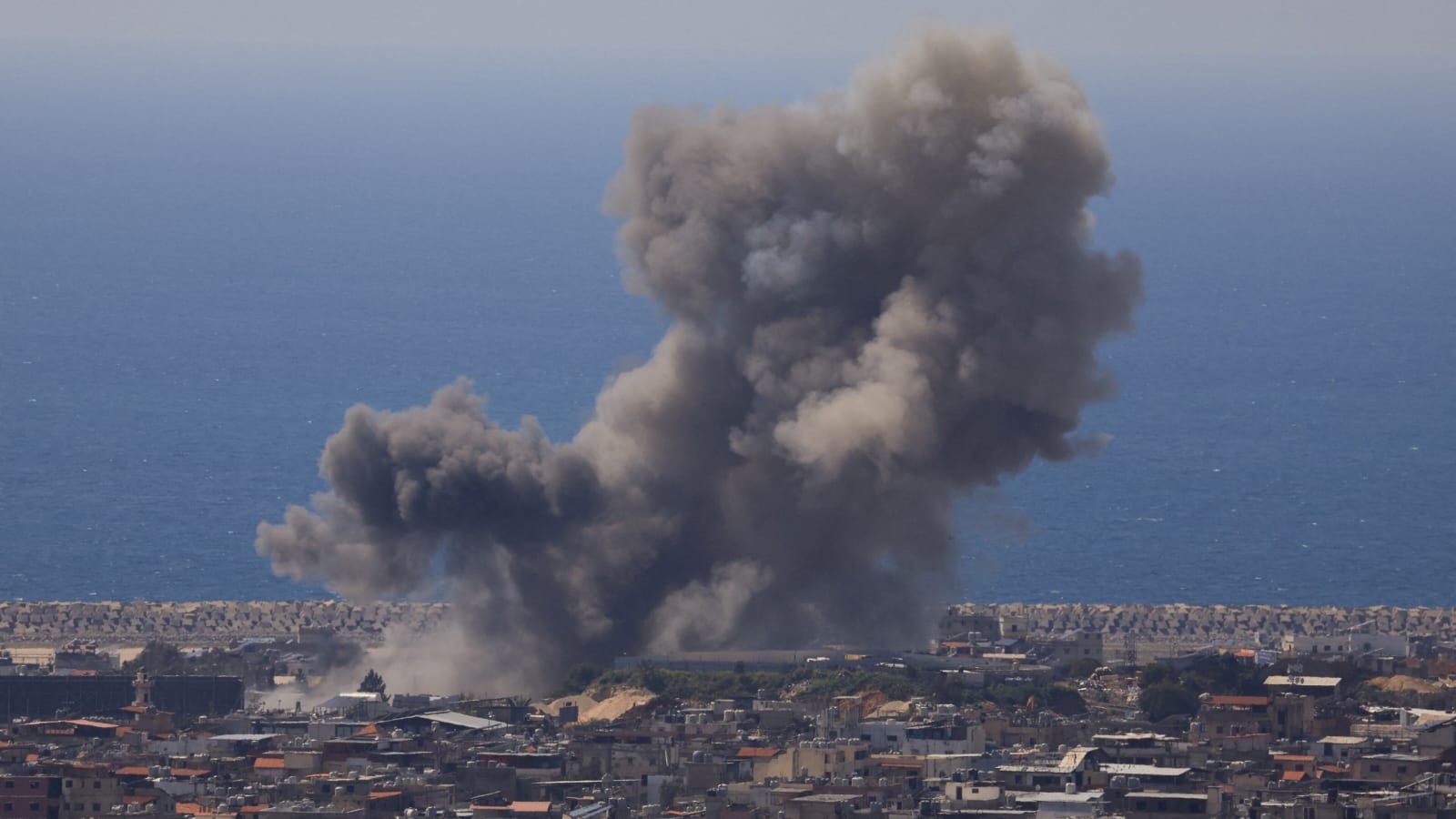
The emphasis on Lebanon is particularly significant. The country has long been affected by regional tensions, and its internal stability is closely tied to developments involving Iran and its allied groups. Excluding Lebanon from ceasefire negotiations could leave a major gap in efforts to achieve lasting peace.
Why Lebanon Matters in the Current Crisis
Lebanon occupies a strategically sensitive position in the Middle East, both geographically and politically. It has frequently been impacted by conflicts involving regional and global powers.
Key Reasons for Lebanon’s Inclusion:
- Spillover Effects: Conflicts involving Iran often extend into Lebanon through regional alliances
- Security Risks: Continued tensions could trigger escalation along Lebanon’s borders
- Humanitarian Concerns: Prolonged instability can worsen economic and social conditions
Including Lebanon in a ceasefire agreement would help ensure that peace efforts are comprehensive rather than selective. It would also reduce the likelihood of conflict re-emerging in adjacent regions.
The Strategic Importance of the Strait of Hormuz
Another central issue in Cooper’s expected remarks is the Strait of Hormuz, a vital maritime route for global energy supplies.
Why the Strait of Hormuz Is Critical:
- Around 20% of the world’s oil supply passes through this narrow waterway
- It connects major oil-producing Gulf countries to global markets
- Any disruption can trigger sharp increases in energy prices
Yvette Cooper is expected to strongly advocate for the full reopening of the strait and the protection of free navigation rights.
Freedom of Navigation Under Threat
A major point of concern is Iran’s suggestion that it may impose charges or restrictions on ships passing through the Strait of Hormuz. Such a move would mark a significant departure from established international norms.
UK’s Position on Maritime Freedom:
- The strait must remain open to all nations
- No country should impose unilateral restrictions
- International waterways cannot be monetised through tolls
These principles are grounded in international maritime law, which treats such waterways as global commons rather than national assets.
Restricting access to the Strait of Hormuz could have severe consequences, not only for regional stability but also for global trade and energy markets.
Broader Diplomatic Efforts by the United Kingdom
The UK’s call for Lebanon’s inclusion aligns with broader international efforts to de-escalate tensions in the Middle East.
Key Objectives of These Efforts:
- Expanding ceasefire agreements to cover multiple regions
- Protecting global trade routes and energy flows
- Encouraging diplomatic solutions over military action
By advocating for a wider framework, the UK is positioning itself as a supporter of long-term stability rather than short-term conflict management.
Global Implications of the UK’s Proposal
The issues raised in Cooper’s speech have far-reaching global consequences, extending beyond the Middle East.
1. Risk of Wider Regional Conflict
If Lebanon is excluded from ceasefire agreements, instability could spread, potentially drawing in additional actors and escalating tensions.
2. Impact on Global Energy Markets
Disruptions in the Strait of Hormuz could significantly affect global oil prices, as seen in recent market volatility. Ensuring free navigation is therefore critical for maintaining economic stability worldwide.
3. Prolonged Geopolitical Uncertainty
A limited ceasefire that fails to address broader regional dynamics may only provide temporary relief. Without a comprehensive approach, underlying tensions are likely to persist.
The Need for Comprehensive Peace Frameworks
The UK’s position highlights a broader shift in diplomatic thinking. Rather than focusing solely on immediate conflict resolution, there is increasing emphasis on addressing the root causes of instability.
Elements of an Effective Framework:
- Inclusion of all affected regions
- Coordination among international actors
- Long-term strategies for political and economic stability
This approach recognises that modern conflicts are interconnected and cannot be resolved in isolation.
Challenges to Achieving an Inclusive Ceasefire
While the idea of a broader ceasefire is appealing, it also presents significant challenges.
Key Obstacles:
- Diverging interests among global and regional powers
- Complex alliances and rivalries within the Middle East
- Lack of trust between negotiating parties
Despite these challenges, the UK’s proposal represents an important step toward more comprehensive conflict resolution.
The United Kingdom’s push to include Lebanon in any US–Iran ceasefire agreement reflects a deeper understanding of the complexities of Middle East geopolitics. By advocating for a broader and more inclusive framework, the UK aims to address not only the immediate conflict but also its wider regional implications.
At the same time, the emphasis on protecting the Strait of Hormuz underscores the importance of safeguarding global trade routes and energy supplies. These issues are not just regional concerns—they have significant global economic and political consequences.
As diplomatic efforts continue, the success of any ceasefire will depend on its ability to incorporate all affected regions and ensure long-term stability. The UK’s approach serves as a reminder that in an interconnected world, sustainable peace requires comprehensive and coordinated solutions.