UAE Intercepts 17 Ballistic Missiles and 35 Drones


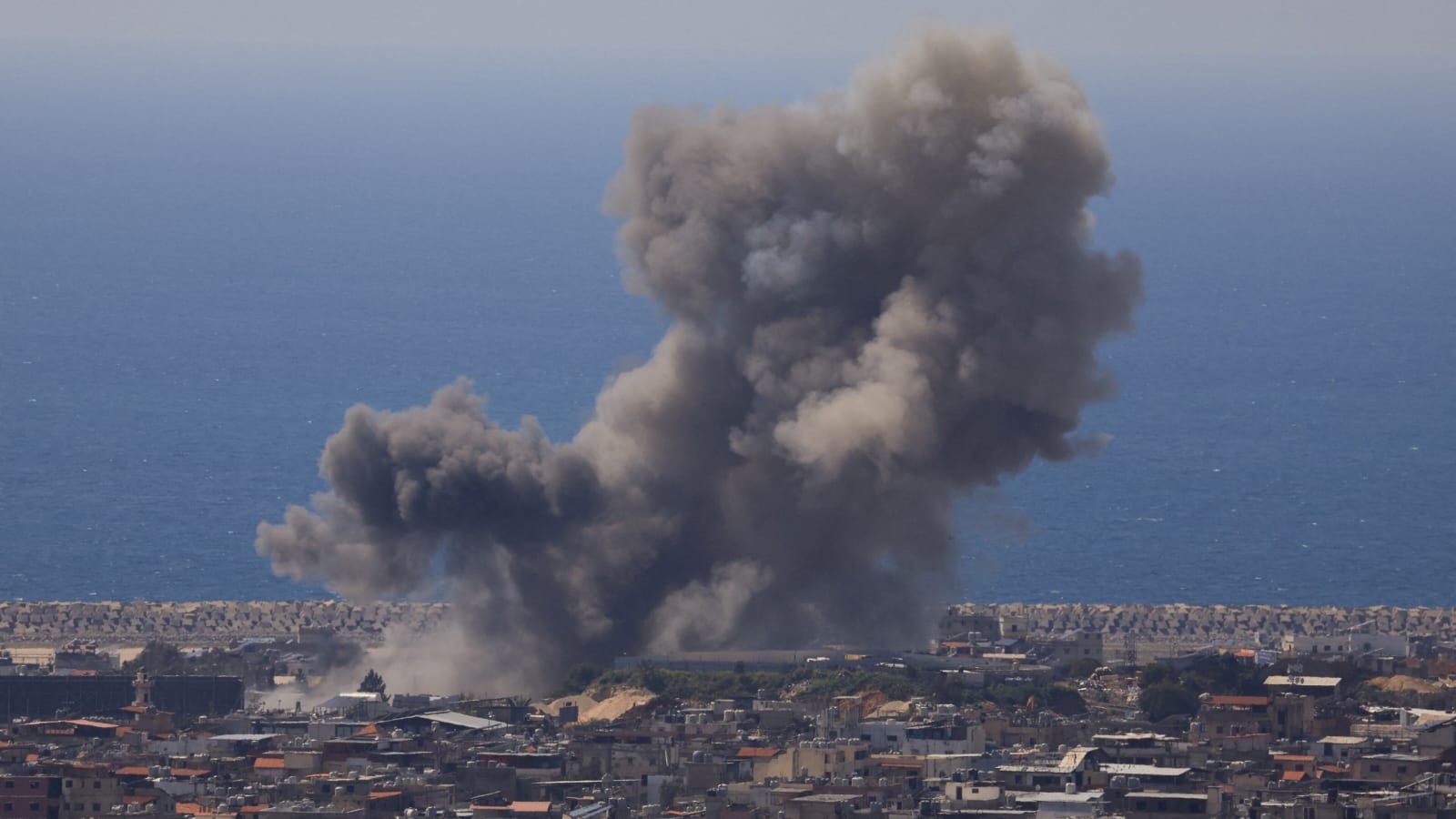
The United Arab Emirates has reported one of the most intense waves of aerial threats in recent days, successfully intercepting 17 ballistic missiles and 35 drones within a 24-hour period. The figures, released by the UAE Ministry of Defence, highlight both the scale of ongoing attacks and the country’s advanced air defence capabilities.
Despite a recently announced ceasefire between the United States and Iran, the continued missile and drone launches underscore the fragile and uncertain nature of the regional security situation.
Latest Wave of Attacks: Scale and Intensity
The UAE’s defence systems were activated in response to a coordinated aerial assault involving multiple types of threats.
Key Figures from the Latest Interceptions:
- 17 ballistic missiles intercepted
- 35 unmanned aerial vehicles (drones) neutralised
- 100% interception rate reported
All incoming threats were successfully destroyed before reaching their intended targets, preventing large-scale destruction and casualties.
However, the scale of the attack highlights the intensity of the conflict and the increasing reliance on aerial warfare in the region.
Ceasefire Under Strain
The interceptions occurred shortly after a temporary ceasefire agreement between the United States and Iran. While the ceasefire was expected to reduce hostilities, the continued attacks suggest otherwise.
What This Indicates:
- The ceasefire is not fully holding on the ground
- Military operations may still be ongoing at tactical or proxy levels
- Regional tensions remain extremely high
Reports indicate that similar incidents have been recorded across the Gulf, affecting multiple countries and raising concerns about the effectiveness of diplomatic efforts.
Rising Numbers Since the Conflict Began
The recent attacks are part of a broader pattern of sustained aerial warfare since late February.
Total Interceptions by the UAE:
- 537 ballistic missiles
- 26 cruise missiles
- 2,256 drones
These figures demonstrate the scale, frequency, and persistence of attacks, making this one of the most intense periods of conflict in the region in recent years.
Damage and Civilian Impact
Although most incoming threats are intercepted mid-air, the danger does not end there. Falling debris from destroyed missiles and drones continues to pose risks on the ground.
Reported Consequences:
- Fires broke out at the Habshan gas complex due to debris
- Two Emiratis and one Indian national were injured
- Temporary suspension of operations at affected facilities
This highlights a critical reality: even successful air defence operations can result in secondary damage, affecting infrastructure and civilian safety.
UAE’s Advanced Air Defence Systems
The UAE’s ability to intercept a high volume of incoming threats is largely due to its advanced air defence infrastructure.
Key Systems in Use:
- THAAD
- Patriot missile system
Why These Systems Matter:
- Intercept threats at different altitudes and ranges
- Provide layered defence against multiple attack types
- Significantly reduce casualties and infrastructure damage
Experts note that the UAE’s interception success rate is among the highest in the region, making it a critical defensive shield against sustained aerial attacks.
Why the UAE Is a Key Target
The UAE has emerged as one of the most targeted countries in the conflict due to several strategic and geopolitical factors.
1. Strategic Location
The UAE lies close to the Strait of Hormuz, a vital route for global energy supplies. Its proximity makes it highly significant in any regional conflict.
2. Global Economic and Energy Hub
The country hosts:
- Major oil and gas infrastructure
- International financial centres
- Global logistics and trade hubs
Targeting such assets can have widespread economic consequences.
3. Regional and International Alliances
The UAE’s alignment with Western allies and its active role in regional security make it a focal point in the broader geopolitical landscape.
Regional Escalation Across the Gulf
The attacks on the UAE are not isolated incidents but part of a wider pattern of escalation across the Gulf region.
Key Developments:
- Missile and drone strikes reported in Kuwait, Bahrain, and Saudi Arabia
- Increased targeting of energy facilities
- Heightened military readiness across the region
Even with ceasefire announcements, the Gulf remains in a high-alert state, with ongoing risks of escalation.
Impact on Civilians and Daily Life
While large-scale destruction has been avoided, the repeated attacks are having a growing impact on everyday life.
Effects on Residents and Economy:
- Frequent missile alerts and shelter advisories
- Temporary airspace closures
- Disruptions to oil and gas operations
- Increased psychological stress and anxiety
The cumulative impact of these disruptions is significant, affecting both economic activity and public morale.
Global Implications of the Conflict
The situation in the UAE has far-reaching consequences beyond the Middle East.
1. Impact on Energy Markets
Disruptions near the Strait of Hormuz can affect global oil supply, leading to price volatility and economic uncertainty worldwide.
2. Aviation and Trade Disruptions
Airspace closures and shipping risks impact:
- International flight routes
- Global supply chains
- Trade logistics
3. Rising Geopolitical Tensions
The conflict is drawing in multiple global powers, increasing the risk of broader escalation and complicating diplomatic efforts.
A Fragile and Uncertain Outlook
Despite ongoing diplomatic initiatives, including ceasefire proposals and negotiations, the situation remains unstable.
Key Concerns:
- Lack of trust between conflicting parties
- Continued attacks during ceasefire periods
- Risk of sudden escalation
Analysts warn that sporadic attacks are likely to continue, even during negotiations, making the situation highly unpredictable.
The UAE’s successful interception of 17 ballistic missiles and 35 drones within 24 hours highlights both the intensity of the ongoing conflict and the country’s advanced defence capabilities. While the high interception rate has prevented large-scale destruction, the continued attacks even during a ceasefire underscore the fragility of the current situation.
As tensions persist across the Gulf, the region remains on edge, with global markets, governments, and security agencies closely monitoring developments. The coming days will be crucial in determining whether diplomatic efforts can stabilise the situation or whether the conflict will escalate further.
Ultimately, the events in the UAE serve as a powerful reminder of the evolving nature of modern warfare, where aerial threats, advanced defence systems, and geopolitical tensions intersect in increasingly complex ways.