Hammer Mindset

Energy Media

Britain Steps Up Gulf Defence Support

Britain Steps Up Gulf Defence Support
  • PublishedMarch 3, 2026

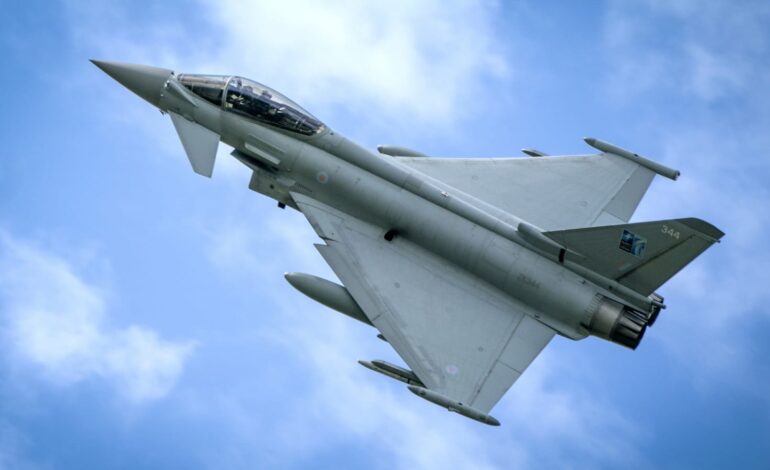
The United Kingdom has significantly expanded its military support in the Gulf region as tensions intensify following escalating strikes and counter-strikes involving Iran, Israel and several Gulf states. London’s move reflects deeper strategic coordination with regional allies and a renewed focus on protecting maritime security, energy infrastructure and regional stability during a highly volatile period.

As missile exchanges, drone incidents and naval alerts increase across the Gulf, the UK has transitioned from diplomatic backing to enhanced operational engagement. This includes deploying additional defence assets, expanding intelligence cooperation and reinforcing joint preparedness with Gulf partners.

This article explores what Britain has announced, why it matters for the Gulf and global security, and what this expanded military role signals for regional stability and international alliances

What the United Kingdom Announced

The UK Ministry of Defence confirmed that Britain will increase its military presence and operational support in the Gulf region.

Key measures include:

  • Deployment of additional Royal Navy vessels

  • Enhanced maritime surveillance and reconnaissance operations

  • Expanded intelligence-sharing with Gulf partners

  • Strategic coordination on regional defence planning

  • Increased joint military exercises

Officials emphasised that the objective is defensive focused on deterrence, protection of shipping lanes and safeguarding allied infrastructure.

Context: Escalating Regional Conflict

Britain’s decision comes amid one of the most intense periods of instability in the Middle East in recent years.

Recent developments include:

  • Coordinated US–Israeli strikes on Iranian military targets

  • Iranian retaliatory missile and drone attacks

  • Air defence interceptions in the UAE and Saudi Arabia

  • Maritime security alerts near the Strait of Hormuz

  • Heightened alert levels in Gulf capitals

The Gulf region remains strategically critical due to its energy production capacity and its control of key shipping routes connecting Asia, Europe and Africa

Why Britain Is Expanding Military Support

The UK’s move reflects several interconnected strategic priorities.

1. Protecting Global Energy Routes

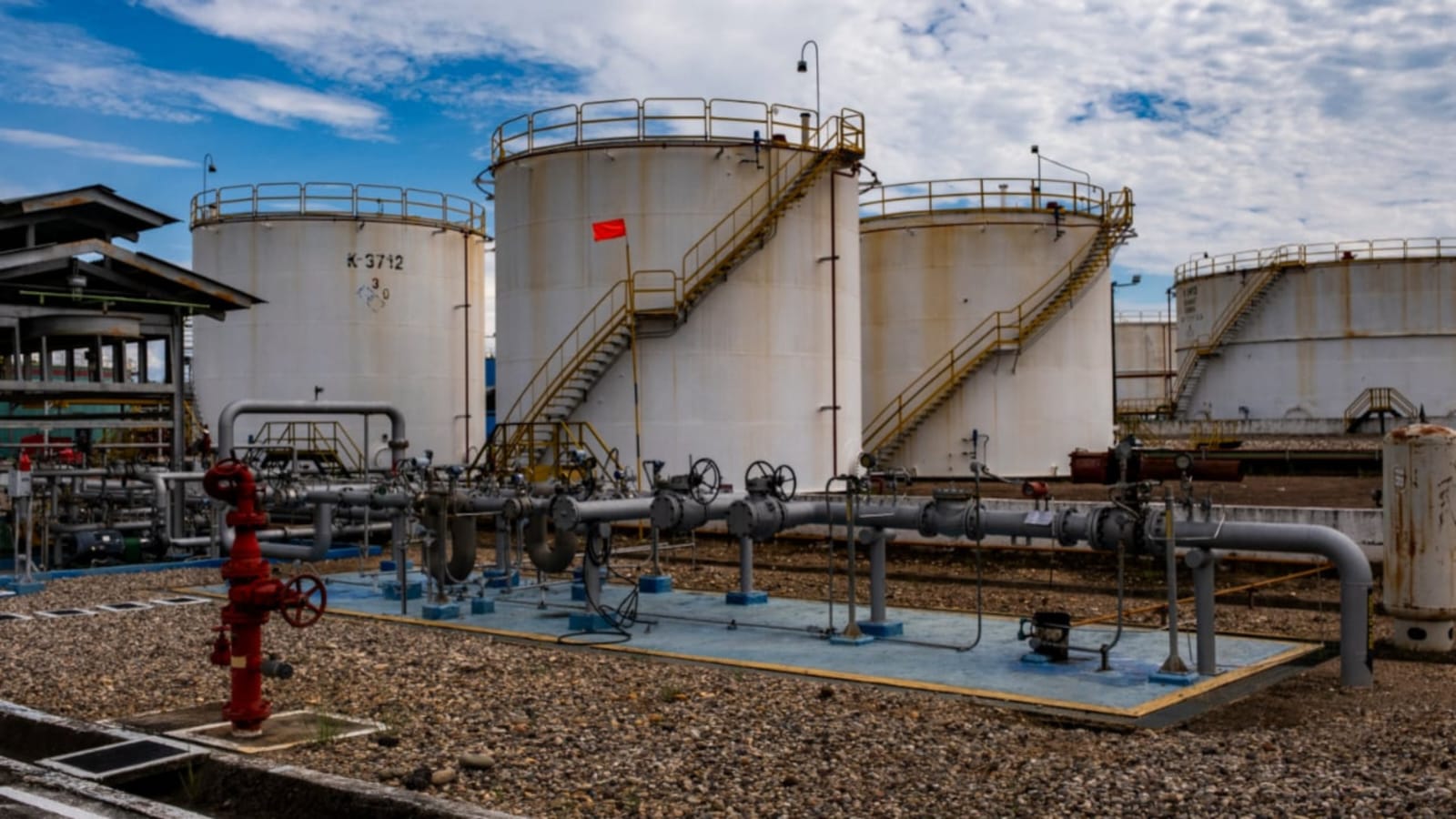
The Strait of Hormuz is one of the world’s most important oil transit chokepoints. Roughly one-fifth of global oil supply passes through it daily.

Any disruption can:

  • Trigger oil price spikes

  • Increase shipping insurance premiums

  • Disrupt global supply chains

  • Heighten inflationary pressures worldwide

By strengthening naval presence, Britain aims to ensure safe maritime transit and reassure energy markets.

2. Reinforcing Strategic Alliances

The UK maintains long-standing defence partnerships with Gulf states, including:

  • United Arab Emirates

  • Saudi Arabia

  • Bahrain

  • Qatar

Britain also maintains a naval support facility in Bahrain, strengthening its regional footprint.

Expanding military support reinforces London’s commitment to these allies during a period of heightened threat perception.

3. Deterring Further Escalation

Visible allied military presence can serve as a deterrent against additional attacks on civilian infrastructure or maritime routes.

The UK’s involvement signals that Gulf security is not solely a regional matter but a global strategic concern.

4. Supporting the Rules-Based International Order

British officials have stressed their commitment to freedom of navigation and international maritime law. Increased naval patrols are framed as efforts to uphold international norms and protect commercial shipping from interference

What British Support Includes

The UK’s enhanced military role includes several components:

Naval Deployment

Additional Royal Navy vessels potentially including destroyers, frigates and patrol ships are being positioned to monitor and secure maritime corridors.

Primary objectives:

  • Escort commercial vessels

  • Deter hostile maritime activity

  • Conduct surveillance missions

  • Respond rapidly to threats

Air and Intelligence Assets

Surveillance aircraft and reconnaissance platforms provide real-time threat monitoring.

Intelligence-sharing agreements allow Gulf states and Britain to:

  • Coordinate air defence responses

  • Track missile and drone activity

  • Assess regional risk patterns

Joint Training and Exercises

Britain plans expanded joint military exercises with Gulf armed forces. These drills enhance interoperability and readiness in complex operational scenarios.

Defence Diplomacy

Beyond operational assets, British officials are engaging in diplomatic consultations aimed at:

  • Coordinating regional security policy

  • Supporting de-escalation efforts

  • Strengthening crisis management frameworks

Regional Reaction to Britain’s Support

Gulf governments have welcomed the UK’s expanded role.

Officials have highlighted:

  • Shared interest in energy infrastructure protection

  • Strong defence cooperation traditions

  • Strategic trust between Britain and Gulf allies

The UK’s visible engagement reinforces perceptions of collective security cooperation at a time of uncertainty.

Global Implications of Britain’s Gulf Expansion

Britain’s decision carries consequences beyond the immediate region.

Support for NATO and Western Partners

As a key member of the North Atlantic Treaty Organization (NATO), Britain’s actions contribute to broader Western strategic positioning in the Middle East.

Signal to Major Global Powers

The move sends a message to other global actors with regional interests, including:

  • United States

  • Russia

  • China

It underscores that Gulf security remains a priority in global geopolitical calculations.

Stabilising Financial and Energy Markets

Markets respond quickly to signs of instability. By enhancing security cooperation, Britain aims to reassure investors and reduce speculative volatility in oil and gas markets.

Impact on the UAE and Gulf States

For Gulf nations particularly the UAE- Britain’s involvement offers several advantages:

Enhanced Deterrence

A strengthened allied presence can discourage further direct attacks on infrastructure and commercial assets.

Increased Confidence

Government officials and civilian populations gain reassurance from visible international support.

Preparedness and Rapid Response

Joint coordination improves readiness against emerging threats, whether conventional or asymmetric.

Economic Considerations

The Gulf region’s economic stability depends heavily on uninterrupted trade and energy exports.

Disruptions can affect:

  • Oil and gas revenues

  • Tourism flows

  • Aviation routes

  • International investment

By reinforcing maritime security, Britain contributes to safeguarding these economic lifelines.

Strategic Reach of the United Kingdom

Britain’s expanded role reflects broader defence ambitions:

  • Maintaining global operational reach

  • Strengthening international partnerships

  • Demonstrating rapid deployment capability

  • Integrating intelligence networks

Post-Brexit foreign policy has emphasised “Global Britain” an approach that includes active engagement in key strategic theatres such as the Gulf.

What Happens Next?

Several factors will shape developments:

Continued Military Coordination

Joint exercises and intelligence-sharing are likely to intensify if tensions persist.

Diplomatic Engagement

International efforts to prevent broader war may gain urgency.

Market Sensitivity

Oil prices and shipping rates will remain responsive to conflict dynamics.

Escalation Risk

Security analysts will monitor whether retaliatory cycles expand to involve additional actors.

Britain’s decision to boost military support for the Gulf marks a significant strategic development amid escalating regional conflict. By deploying additional naval assets, enhancing surveillance capabilities and reinforcing defence partnerships, the UK is signalling firm commitment to Gulf stability, global energy security and international maritime law.

While the situation remains unpredictable, Britain’s expanded role adds a layer of deterrence and coordination at a critical moment. For Gulf states including the UAE, this strengthened partnership enhances security resilience during one of the region’s most complex crises in recent years.

As geopolitical tensions continue to evolve, London’s actions demonstrate how interconnected Middle East stability is with global economic and security interests and how international alliances are adapting to meet new challenges.

Written By
Manasvini