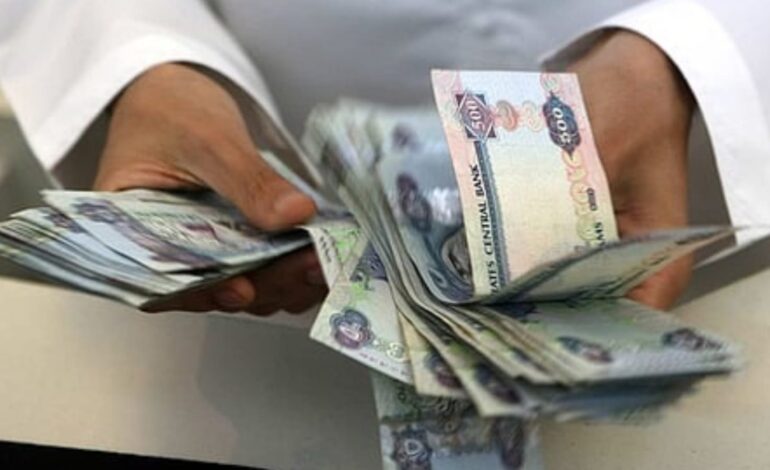

The Central Bank of the United Arab Emirates (CBUAE) has issued a public advisory urging residents, businesses and visitors not to fold, crumple or staple UAE banknotes, warning that improper handling can damage currency, shorten its lifespan and affect its quality in circulation.
The guidance forms part of the central bank’s broader efforts to preserve the integrity of the UAE’s national currency and ensure banknotes remain fit for everyday use across retail, business and financial transactions. By encouraging simple, responsible handling habits, the CBUAE aims to reduce unnecessary wear and tear on cash and support a more efficient cash-handling ecosystem.
Why the CBUAE Issued the Advisory
UAE banknotes circulate through millions of transactions each day, passing through wallets, cash registers, ATMs, banks, transport services and businesses of all sizes. While natural wear occurs over time, the CBUAE has observed that avoidable practices — such as folding notes excessively, crumpling them into pockets or stapling them together — accelerate deterioration.
According to the central bank, these habits can compromise not only the appearance of banknotes but also their structural integrity and security features. Once damaged, notes may become unusable in automated machines, rejected by retailers or withdrawn prematurely from circulation.
By issuing this advisory, the CBUAE seeks to raise public awareness and encourage better handling of cash at every level of the economy.
How Improper Handling Damages Banknotes
Banknotes are designed to be durable, but they still require basic care. Folding, crumpling or stapling notes can lead to several forms of damage, including:
-
Tears and rips along fold lines
-
Creased or warped notes that jam machines
-
Faded or worn ink and design patterns
-
Damaged security threads and holograms
-
Holes caused by staples or pins
-
Reduced acceptance at ATMs and point-of-sale systems
Stapling banknotes is particularly harmful, as even small punctures weaken the paper-polymer blend used in modern currency production. Once punctured, notes tear more easily and often fail automated verification checks.
Why Currency Quality Matters
At first glance, the condition of a single banknote may seem insignificant. However, at a national level, currency quality plays a crucial role in maintaining an efficient financial system.
Clean, intact banknotes:
-
Move smoothly through ATMs and cash counters
-
Reduce errors during counting and sorting
-
Improve transaction speed at retail outlets
-
Lower operational costs for banks and businesses
-
Strengthen public confidence in the currency
When banknotes degrade prematurely, central banks must replace them more frequently, increasing printing, logistics and distribution costs. By encouraging proper handling, the CBUAE helps reduce these expenses and improves the overall efficiency of cash circulation.
What the CBUAE Is Asking the Public to Do
The central bank’s guidance focuses on simple habits that anyone can adopt. To help extend the life of UAE banknotes, the CBUAE advises the public to:
-
Store notes flat in wallets, purses or envelopes
-
Keep banknotes clean and dry at all times
-
Avoid sharp or repeated folding
-
Never staple, pin or clip notes together
-
Avoid crumpling notes in pockets or bags
These steps help preserve security features such as watermarks, metallic threads and specialised inks, ensuring that banknotes remain readable by both machines and people.
Guidance for Businesses and Retailers
Businesses that handle cash regularly play a particularly important role in maintaining currency quality. The CBUAE encourages retailers, restaurants, transport operators and service providers to adopt best practices, including:
-
Storing cash flat in tills and drawers
-
Avoiding the use of staples or pins to group notes
-
Training staff to handle cash carefully
-
Removing heavily damaged notes from circulation
-
Exchanging worn notes at banks promptly
By following these practices, businesses can reduce machine errors, speed up cash handling and minimise disruptions during daily operations.
Banknotes and Security Features
UAE banknotes incorporate advanced security and durability features designed to protect against counterfeiting and fraud. These include:
-
Embedded metallic threads
-
Watermarks and clear windows
-
Textured surfaces for tactile recognition
-
Specialised colour-shifting inks
-
Fine-line printing visible under magnification
Many of these features depend on clean, undamaged surfaces. Creases, tears or staple holes can interfere with their effectiveness, making notes harder to authenticate and more likely to be rejected.
The CBUAE’s advisory therefore supports not only durability but also the country’s broader anti-counterfeiting and financial security efforts.
Cash Still Matters in a Digital Economy
Although digital payments continue to expand across the UAE — including cards, mobile wallets and instant transfers — cash remains an essential part of daily life.
Cash plays a key role in:
-
Small retail transactions
-
Taxis and local transport services
-
Tourism-related spending
-
Informal and community-based commerce
-
Emergency situations and system outages
By maintaining high-quality banknotes, the UAE ensures that cash remains reliable, efficient and widely accepted alongside digital payment options.
Impact on ATMs and Automated Systems
Damaged banknotes often cause problems in automated systems. Creased or crumpled notes can jam ATMs, fail verification checks or trigger error alerts in point-of-sale machines. These issues lead to:
-
ATM downtime and maintenance costs
-
Delays for customers withdrawing cash
-
Increased servicing requirements for banks
-
Frustration for retailers and consumers
Proper handling of banknotes helps reduce these disruptions and supports smoother operation of the country’s cash infrastructure.
What to Do With Damaged Banknotes
The CBUAE encourages the public not to recirculate heavily damaged notes. Instead, individuals and businesses should:
-
Take worn or damaged notes to licensed banks
-
Exchange them for new or usable currency
-
Avoid taping, stapling or attempting repairs
-
Follow bank procedures for damaged currency
Banks assess notes based on established guidelines and replace those that meet eligibility criteria, ensuring that poor-quality notes do not remain in circulation.
Public Responsibility and Everyday Habits
Currency quality depends heavily on everyday behaviour. Small habits — such as flattening notes instead of folding them or storing cash properly — can significantly extend a banknote’s lifespan.
The CBUAE emphasises that protecting currency is a shared responsibility. When individuals, businesses and institutions handle cash carefully, everyone benefits through smoother transactions and lower system-wide costs.
Part of a Broader Financial Stability Strategy
This advisory aligns with the central bank’s wider mandate to ensure financial stability, efficiency and trust in the UAE’s monetary system. While digital systems rely on technology upgrades, physical currency relies on responsible handling by users.
By issuing clear public guidance, the CBUAE reinforces best practices and promotes long-term sustainability of the cash ecosystem.
Tips for Proper Banknote Handling
At home
-
Store banknotes flat in a secure place
-
Avoid folding notes for long periods
In wallets or purses
-
Use compartments that keep notes straight
-
Avoid overstuffing
At work or in retail
-
Organise cash neatly in tills
-
Never staple or pin notes together
When receiving damaged notes
-
Exchange them at banks instead of reusing
These simple steps help maintain currency quality and reduce inconvenience for everyone.
Conclusion
The Central Bank of the United Arab Emirates’ warning against folding, crumpling or stapling UAE banknotes highlights how small everyday actions can have a meaningful impact on the country’s financial system.
By handling cash responsibly, individuals and businesses help preserve the quality of banknotes, reduce replacement costs and support efficient transactions across the economy. In a nation that blends advanced digital payments with continued cash usage, caring for physical currency remains an important part of maintaining trust, reliability and financial stability.