


The dazzling cities of Dubai and Abu Dhabi are known for their lights. Yet, just an hour or two away, a different kind of light show begins. This rising trend is called Noctourism. It is the travel and enjoyment of nighttime nature and quiet. For many, this means escaping light pollution to find the stars. The UAE offers spectacular, easily accessible dark sky spots. They are perfect for both amateur astronomers and casual campers. Discover the best places to look up and reconnect with the universe.
Understanding Noctourism and Dark Sky Spots
Noctourism is more than just staying out late. It is about seeking out destinations valued for their natural darkness. These spots offer a profound escape from urban light and noise. They encourage quiet reflection under an incredible starry canopy.
The Problem of Light Pollution
City lights create a dome of light, or “sky glow.” This glow hides fainter stars and deep-sky objects. Finding true dark sky spots requires traveling away from population centers. The remote deserts and high mountains of the UAE provide this necessary isolation. This isolation is the key ingredient for excellent stargazing.
Best Time for Stargazing
The best time to visit dark sky spots in the UAE is during the cooler months. This season runs from October to March. During this period, the air is clearer, and the humidity is lower. Lower humidity means less haze to obstruct the celestial views. Always check the moon phase before planning your trip. A new moon provides the darkest skies. A full moon, while beautiful, can significantly wash out the stars. The best viewing hours are typically between 8 PM and midnight.
Al Quaa: The Ultimate Dark Sky Spot
Al Quaa is often called the dark sky spot of the UAE. It is located deep in the Abu Dhabi desert, near the border of the Empty Quarter. This spot is famous among astrophotographers and stargazers alike. It is arguably the darkest accessible area in the entire UAE.
Location and Accessibility
Al Quaa is about 90 minutes from Abu Dhabi city. It is approximately two hours and thirty minutes from Dubai. It has gained legendary status among the astronomy community. You can now find its precise location tagged on Google Maps. While the area feels wild, a four-wheel-drive vehicle is generally not required to reach the main meeting point. However, if you plan to camp deeply in the dunes, a 4×4 is essential.
Why Al Quaa is Special
The reason for Al Quaa’s fame is simple: minimal light pollution. Being far from all major cities, the sky is exceptionally clear. This spot is renowned for offering stunning views of the Milky Way’s core. The silence of the remote desert further enhances the experience. Visitors can enjoy a deep, quiet connection with the night sky. Many tour operators now offer organized camping and stargazing sessions here. These tours provide telescopes, food, and safe transportation.
Jebel Jais: Highest Altitude Dark Sky Spot
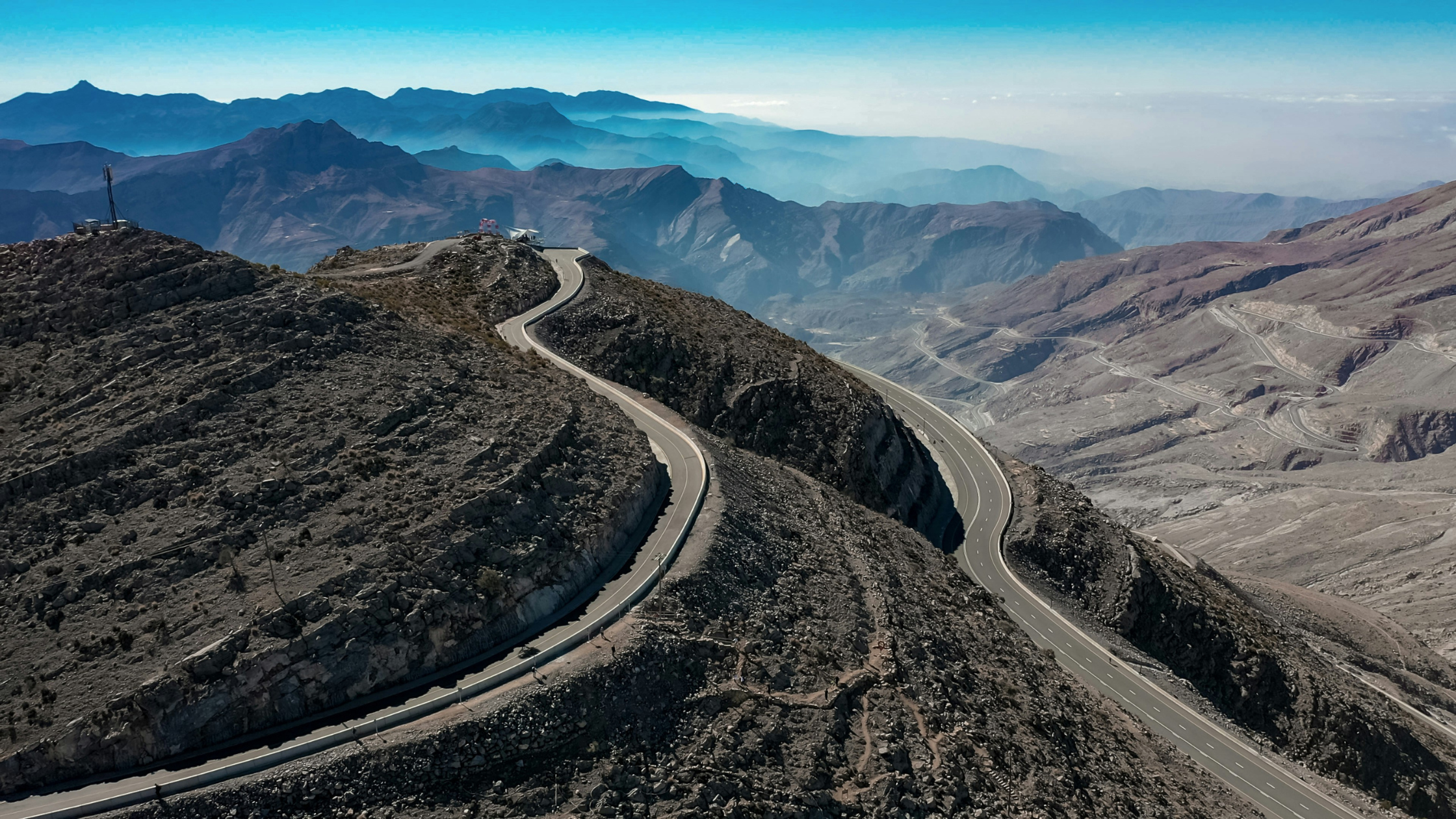
Jebel Jais, the UAE’s highest mountain, offers a unique perspective. Located in Ras Al Khaimah, its elevation provides a clear advantage. The high altitude means thinner air and less atmospheric haze. This results in some of the clearest skies available.
Location and Features
Jebel Jais is approximately two hours from Dubai. It is a scenic drive up winding mountain roads. The mountain features the Jebel Jais Viewing Deck Park. This park is often used as a stargazing hub. The elevated position offers breathtaking panoramic views, even at night. The air temperature here is significantly cooler than in the city. This is a welcome bonus, especially during the summer.
Stargazing Activities on Jais
The mountain is quickly becoming a major Noctourism destination.
- Camp 1770: Located at a high altitude, this site offers guided stargazing. It is the highest campsite in the UAE.
- Organized Events: Astronomy groups frequently host public events here. They provide telescopes and guided sky tours.
- Cooler Air: The distinct, cooler climate makes long periods of observation comfortable.
Arriving before sunset is highly recommended. This allows you to secure a good spot and enjoy the stunning view before the stars appear. The rugged mountain backdrop adds a dramatic element to the night sky views.
Al Qudra Desert: Accessible Family Stargazing
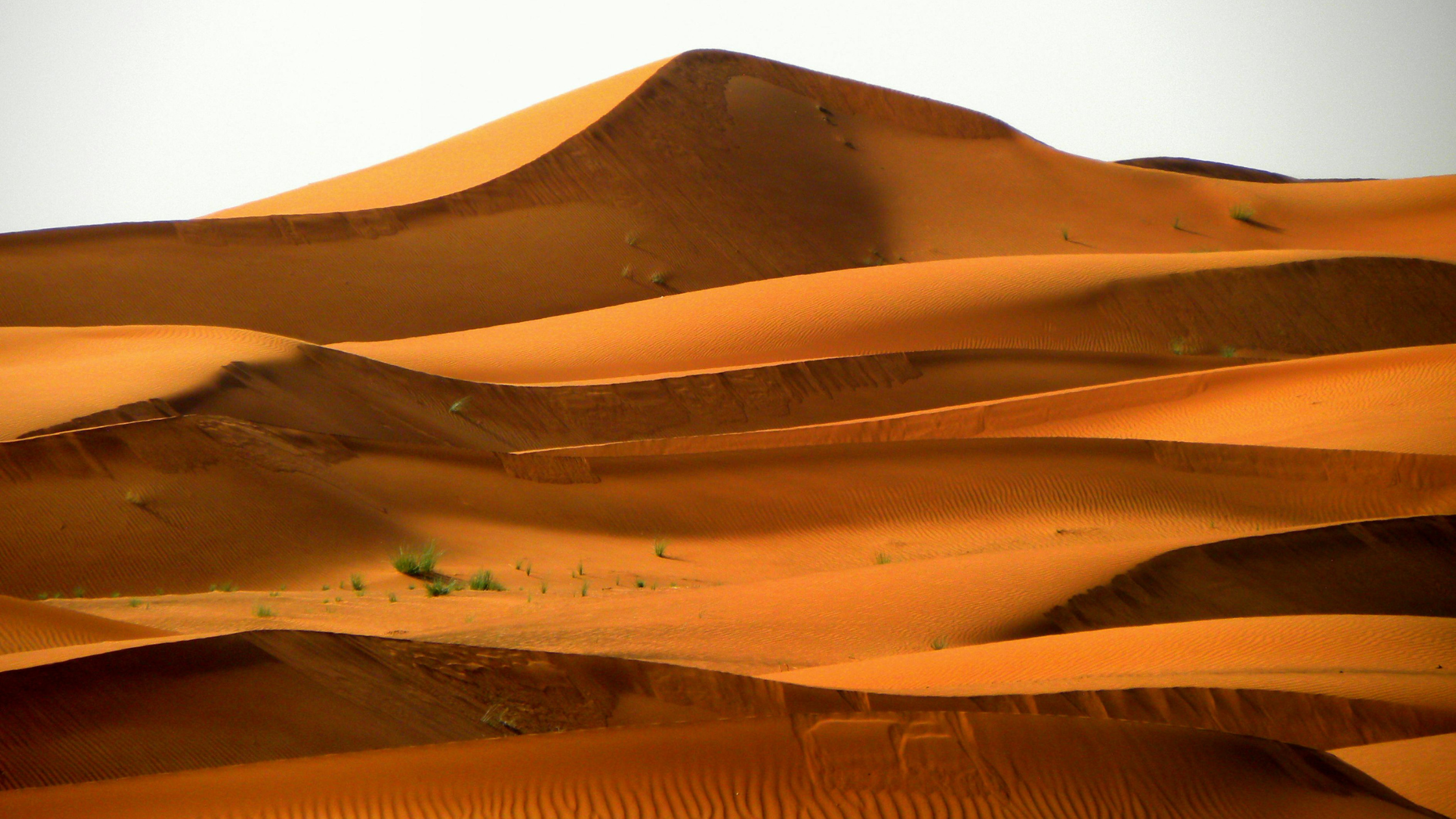
For Dubai residents, Al Qudra is the most popular and accessible dark sky spot. It is located close to the main city. This desert area offers a quick escape without a long journey. It is a favorite for casual stargazers and weekend campers.
Ease of Access and Vibe
Al Qudra is about 40 minutes from central Dubai. Much of the area is easily reached by saloon car. However, exploring the deeper, darker sections requires a 4×4. The area around Al Qudra Lakes is particularly popular. This spot is known for its beautiful, relatively secluded atmosphere. It is the ideal choice for beginners and families with children.
Stargazing and Wildlife
The area’s quietness, away from city lights, is its main appeal. It provides a good contrast to the bright urban centers.
- Love Lake: This area nearby offers open terrain for setting up small telescopes or mats.
- Desert Safaris: Many companies combine desert safaris, traditional dinners, and astronomy sessions here.
- Dubai Astronomy Group: The group occasionally hosts public viewing nights in Al Qudra. They offer high-quality telescopes for viewing planets and nebulae.
While not as dark as Al Quaa, Al Qudra is a reliable and safe starting point. It offers the classic Arabian desert experience under a starry sky.
Al Sadeem Astronomy Centre: Guided Experience
For those who prefer a structured, guided experience, the Al Sadeem Astronomy Centre is perfect. Located in Al Wathba, near Abu Dhabi, it is a professional facility. It offers educational and immersive sessions for all ages.
Professional Facilities
The center was built by an Emirati businessman dedicated to astronomy. It features a large dome housing a professional telescope. This allows guests to see celestial objects with high clarity. It is an excellent place to learn from experts and use high-end equipment.
Educational Programs
Al Sadeem offers guided tours and observation events. These events are often timed with major celestial dates. For example, meteor showers or planetary alignments.
- Guided Tours: Experts explain constellations and the history of Arabian astronomy.
- Observation Sessions: Guests can look through various telescopes to see planets, moons, and distant galaxies.
- Structured Learning: This center provides the best opportunity for deeper scientific learning about the night sky.
The experience requires booking in advance. It is an ideal way to see the stars with both safety and scientific insight.
Hatta and Wadi Shawka: Mountain Vistas
The Hajar Mountains offer another stunning escape from the cities. The areas around Hatta and Wadi Shawka provide clear, cool mountain air. This air is excellent for improved visibility. They combine a unique adventure with stargazing.
Hatta’s Clear Skies
Hatta is about 90 minutes from Dubai. It is known for its rugged mountains and adventure activities. While the town itself has some light pollution, traveling deeper into the mountains helps.
- Glamping: Eco-lodges and trailers offer luxurious camping. Guests can view the stars from their private decks.
- Activities: Enjoy kayaking, hiking, and biking before settling in for the night.
- High-Altitude Views: The mountain backdrop enhances the sense of isolation and focus on the sky.
Wadi Shawka’s Backdrop
Wadi Shawka, a short drive from Downtown Dubai, is also gaining popularity. The area near the dam is known for its beautiful views. The surrounding mountains help block some urban light. It is a great spot for both daytime trekking and clear evening views. It is a picturesque setting for astrophotography.
Abu Dhabi’s Dark Sky Policy
The commitment to preserving night skies is not just a trend. The government of Abu Dhabi has taken formal steps. It implemented the Abu Dhabi Dark Sky Policy. This policy aims to enhance the well-being of people and wildlife. It achieves the same by actively limiting light pollution.
Policy Objectives
The policy sets strict guidelines for external lighting.
- Light Curfew: It mandates that facade and public lighting be turned off or dimmed after 12:00 AM.
- Covered Fixtures: It requires all external lights to be covered. This prevents light from spilling upward into the sky.
- Sustainability: It promotes the use of energy-efficient, low-temperature lighting systems.
This proactive approach is significant. It demonstrates the UAE’s commitment to preserving genuine dark sky spots. It positions Abu Dhabi as a leader in the global dark sky community. This is a huge benefit for future stargazers.
Final Tips for Your Stargazing Trip
Planning your visit to a dark sky spot requires preparation. A little effort guarantees a safe and spectacular experience.
Essentials to Pack
- Warm Clothes: Nights in the desert and mountains can get very cold, even after a hot day.
- Red-Light Flashlight: White light ruins night vision instantly. Use a red filter or light.
- Camping Gear: Bring a mat, chairs, and a sleeping bag for comfort.
- Hydration: Always carry plenty of water and snacks.
- Camera: A camera with manual controls and a tripod is essential for astrophotography.
The UAE offers some of the safest conditions for night travel globally. Yet, always inform someone of your destination. Embrace the quiet and enjoy the incredible, endless beauty of the desert night sky.




1 Comment
[…] one-time attractions, community hubs remain active throughout the year thanks to rotating […]
Comments are closed.