Dubai Airport Hits 95.2 m Passengers Inches Closer to 100 million
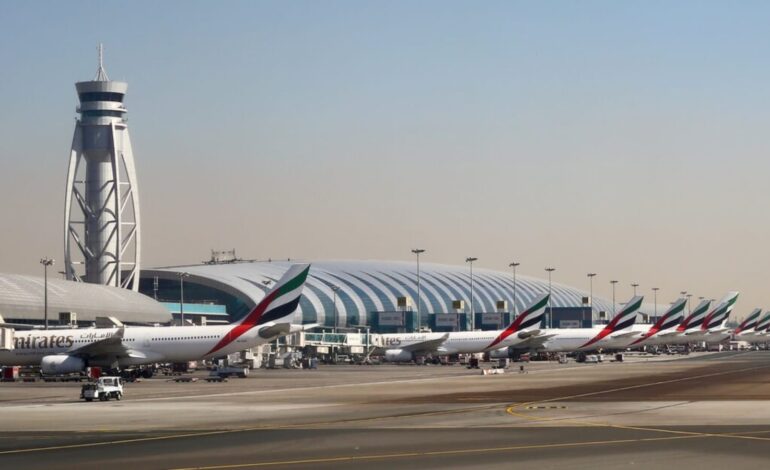

Dubai International Airport one of the world’s busiest and most strategically positioned aviation hubs has reported a record-breaking 95.2 million passengers in 2025, bringing it within striking distance of the historic 100 million traveller milestone expected in 2026. The strong performance highlights the United Arab Emirates’ sustained air travel demand, expanding global connectivity and Dubai’s continued dominance as a leading tourism, business and transit gateway.
The milestone comes amid a powerful global aviation recovery, with passengers returning to both regional and long-haul routes in large numbers. Dubai’s consistent growth underscores not only the resilience of international travel but also the emirate’s long-term strategy to remain at the centre of global aviation flows.
Dubai International Airport’s Record Year: Key Figures
In 2025, Dubai International Airport welcomed 95,227,698 passengers, marking the highest annual traffic in the airport’s history. The performance reflects strong growth across commercial flights, transit movements and cargo-linked travel activity.
Major Highlights
-
Nearly 95.2 million total passengers — an all-time record
-
Robust international transit and transfer traffic
-
Expansion across major global routes
-
Continued recovery in tourism and corporate travel
-
Strong airline network performance
These numbers place Dubai firmly on course to reach and potentially exceed the 100 million passenger benchmark in 2026, a milestone that would cement its status among the world’s elite mega-hubs.
Why Dubai Airport Is Experiencing Strong Growth
Several interconnected factors are driving the airport’s impressive passenger surge. Together, they reflect both global aviation trends and Dubai’s strategic positioning.
1. Global Air Travel Recovery Accelerates
The most significant driver behind the growth is the continued rebound of international air travel following pandemic-era disruptions. Leisure travellers, business passengers and visiting families have returned to the skies in large numbers.
Key recovery trends include:
-
Resumption of long-haul travel between continents
-
Strong regional travel within Asia, Europe and the Middle East
-
Rising demand for leisure destinations
-
Increased corporate travel and conferences
Dubai’s geographic location roughly equidistant between Europe, Asia and Africa gives it a natural advantage as a global connecting hub. Airlines continue to funnel passengers through the emirate for efficient one-stop journeys.
2. Dubai’s Tourism Boom
Dubai remains one of the world’s most attractive tourism destinations, and visitor demand has played a major role in the airport’s record numbers.
Tourists continue to be drawn by:
-
Iconic attractions and luxury experiences
-
Year-round events and festivals
-
World-class shopping and hospitality
-
Beach and desert tourism
-
Family-friendly entertainment
The emirate’s proactive tourism campaigns and visa-friendly policies have further strengthened inbound travel, feeding directly into passenger volumes at Dubai International Airport.
3. Strong Business and MICE Travel
Beyond leisure tourism, Dubai has reinforced its position as a major global business hub. The city hosts a growing calendar of:
-
International trade exhibitions
-
Corporate conferences
-
Financial and technology summits
-
Industry expos and forums
Business travel particularly from Europe, Asia and the wider Middle East continues to be a high-value contributor to airport traffic. The UAE’s reputation as a stable, business-friendly environment supports this momentum.
4. Strategic Airline Expansion
Airlines based in Dubai and the wider UAE have played a crucial role in boosting passenger throughput.
Key drivers include:
-
Expanded route networks
-
Increased flight frequencies
-
New long-haul destinations
-
Strong codeshare and alliance partnerships
-
High-capacity wide-body aircraft deployment
These developments have strengthened Dubai’s role as both an origin-destination market and a global transfer hub.
5. Advanced Airport Infrastructure
Dubai International Airport’s ability to handle massive passenger volumes is supported by continuous investment in infrastructure and operational efficiency.
The airport benefits from:
-
Multiple high-capacity terminals
-
Advanced baggage handling systems
-
Smart immigration and biometric processing
-
Efficient airside operations
-
Integrated cargo and passenger facilities
This robust infrastructure enables the airport to scale operations smoothly even during peak travel seasons.
The Road to 100 Million Passengers in 2026
With 95.2 million passengers already recorded, industry analysts widely expect Dubai International Airport to cross the 100 million annual passenger mark in 2026 if current trends continue.
Why the Milestone Matters
Reaching 100 million passengers would be both symbolic and economically significant. It would:
-
Place Dubai among the world’s busiest aviation hubs
-
Reinforce the UAE’s global connectivity leadership
-
Demonstrate post-pandemic aviation resilience
-
Strengthen investor confidence in the aviation sector
-
Highlight Dubai’s tourism strength
The achievement would also reflect years of strategic planning by aviation authorities, airlines and government stakeholders.
Economic Impact on the UAE
Dubai International Airport is far more than a transport hub it is a powerful engine of economic growth for the UAE.
1. Tourism Revenue Boost
Each international visitor contributes to multiple sectors, including:
-
Hotels and resorts
-
Retail and shopping malls
-
Restaurants and dining
-
Tour operators and attractions
-
Transport and mobility services
The surge in passenger numbers directly supports Dubai’s tourism-driven economy.
2. Job Creation Across Industries
Higher passenger volumes translate into increased employment across aviation and hospitality.
Key employment areas include:
-
Airport operations
-
Airlines and ground handling
-
Travel agencies
-
Hospitality and tourism
-
Retail and duty-free
-
Logistics and cargo
Thousands of jobs depend directly or indirectly on Dubai Airport’s performance.
3. Strengthening Global Trade and Logistics
Dubai’s aviation ecosystem is closely linked to its logistics and cargo strength. Increased flight movements improve:
-
Air freight capacity
-
Supply chain efficiency
-
Re-export activity
-
E-commerce logistics
This reinforces the UAE’s position as a global trade gateway between East and West.
4. Boosting Business Investment
High connectivity makes Dubai more attractive for multinational companies, investors and entrepreneurs.
Improved passenger flows support:
-
International business expansion
-
Foreign direct investment
-
Regional headquarters establishment
-
Startup ecosystem growth
In short, aviation growth fuels broader economic diversification.
What Airport Officials Are Saying
Senior executives at Dubai Airports have welcomed the record-breaking figures, attributing the success to coordinated efforts across the aviation ecosystem.
Officials highlighted:
-
Strong airline partnerships
-
Efficient airport operations
-
Government support for aviation growth
-
Continued passenger confidence
-
Investment in technology and experience
They also emphasised that maintaining service quality while scaling capacity remains a top priority heading into 2026.
Managing the Challenges of Rapid Growth
While the outlook is highly positive, handling nearly 100 million passengers annually brings operational challenges that authorities are actively addressing.
Key Challenges
-
Managing peak-hour congestion
-
Maintaining fast immigration processing
-
Ensuring airspace and slot efficiency
-
Preserving passenger experience quality
-
Scaling ground transport connectivity
How Dubai Airport Is Preparing
To stay ahead of demand, the airport continues investing in:
-
Biometric smart gates
-
AI-driven passenger flow management
-
Expanded lounge capacity
-
Digital payment ecosystems
-
Smart baggage solutions
-
Enhanced customer experience technology
These upgrades aim to ensure that even as passenger numbers rise, travel through Dubai remains smooth and efficient.
Aviation Outlook for 2026
Industry forecasts suggest global air travel will remain strong in 2026, supported by:
-
Continued tourism growth
-
Expanding airline capacity
-
Major international events in the UAE
-
Strong business travel demand
-
Rising middle-class travel in emerging markets
Dubai is particularly well positioned to capture this demand due to its geographic advantage, airline strength and tourism appeal.
Analysts expect the airport to either reach or surpass the 100 million passenger milestone if current momentum continues.
Why Dubai Remains a Global Aviation Leader
Several structural advantages keep Dubai International Airport at the forefront of global aviation:
-
Strategic midpoint between East and West
-
Strong home carriers with global networks
-
World-class airport infrastructure
-
Pro-travel government policies
-
High tourism appeal
-
Business-friendly environment
Few airports combine all these elements at the same scale.
Conclusion
Dubai International Airport’s record 95.2 million passengers in 2025 highlights the powerful resurgence of global air travel and the UAE’s enduring strength as an aviation powerhouse. With momentum building toward the landmark 100 million passenger milestone in 2026, Dubai is once again proving its ability to lead the world in connectivity, efficiency and travel demand.
For airlines, travellers, investors and the global business community, Dubai Airport remains a critical gateway linking continents and economies. As infrastructure expands and passenger numbers climb, the emirate is well positioned to maintain its status as one of the world’s busiest and most dynamic aviation hubs for years to come.