
Dubai Opens Two New Bridges to Ease Trade Centre Traffic
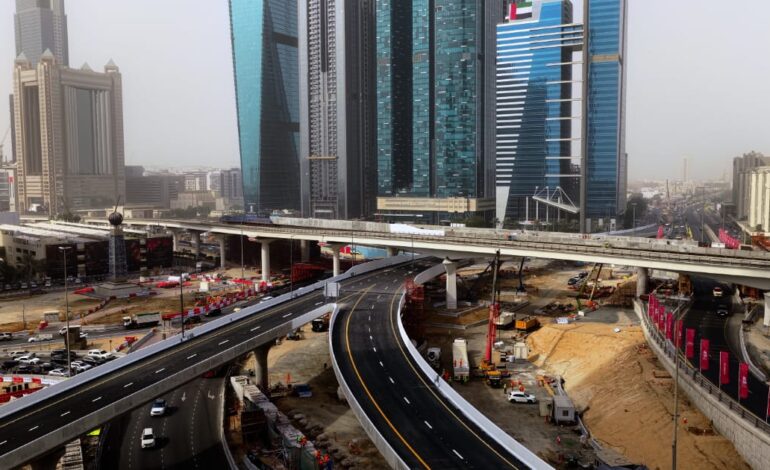

Dubai has taken a major step to ease congestion in one of its busiest districts with the opening of two new bridges in the Trade Centre area. The Roads and Transport Authority delivered the bridges as part of the Trade Centre Roundabout Development Project, designed to improve traffic flow, cut journey times, and strengthen connectivity between key commercial corridors.
The Trade Centre zone regularly experiences heavy congestion, especially during peak hours and large-scale events. As Dubai continues to host international exhibitions, conferences, and business forums, efficient transport infrastructure remains essential for residents, commuters, and visitors. The newly opened bridges directly address long-standing bottlenecks in this high-traffic area.
What Has Opened
The RTA has opened two bridges serving vehicles travelling from 2nd December Street towards Sheikh Rashid Road and Al Majlis Street, which links directly to Al Mustaqbal Street. Each bridge carries two lanes in both directions and together can accommodate up to 6,000 vehicles per hour.
Engineers completed the bridges ahead of the original mid-January schedule, allowing motorists to benefit from smoother routes earlier than expected. The early delivery highlights the RTA’s focus on accelerating high-impact infrastructure projects.
The Wider Development Project
The bridge openings form part of the AED 696 million Trade Centre Roundabout Development Project, which will ultimately include five bridges with a combined length of 5,000 metres.
The project will also replace the existing roundabout with an at-grade intersection. This redesign will allow uninterrupted traffic movement from multiple directions and significantly improve network efficiency across central Dubai.
Why This Matters for Traffic Flow
The Trade Centre Roundabout connects Sheikh Zayed Road with Sheikh Khalifa bin Zayed Street, Sheikh Rashid Road, 2nd December Street, Zabeel Palace Street, and Al Majlis Street. This intersection acts as a critical gateway linking residential districts, business hubs, and event venues.
Previously, drivers often faced extended delays, particularly during major events at Dubai World Trade Centre. The new free-flow bridges now allow vehicles to bypass the intersection smoothly, reducing pressure on surrounding roads and improving overall travel reliability.
RTA estimates show that the project will sharply reduce waiting times at the junction. Additional bridges scheduled to open in March 2026 and October 2026 will further enhance capacity and traffic distribution.
Benefits for Residents, Commuters, and Businesses
Reduced congestion:
By separating traffic streams that once converged at the roundabout, the new layout allows vehicles to move continuously even during peak periods.
Shorter travel times:
Routes that previously took up to ten minutes during rush hour can now take as little as two minutes due to uninterrupted movement.
Improved connectivity:
The upgrades strengthen access to the Trade Centre, **Dubai International Financial Centre**, Downtown Dubai, and nearby residential areas including Zabeel, Al Satwa, Al Karama, and Al Mankhool.
These improvements benefit daily commuters, residents, and visitors while supporting smoother access to workplaces, leisure destinations, and major event venues.
Boost to economic activity:
The Trade Centre area hosts global exhibitions such as GITEX, Arabian Travel Market, and Gulfood. Faster, more reliable transport improves accessibility and reinforces Dubai’s role as a leading international business and tourism hub.
How This Fits Into Dubai’s Transport Vision
Dubai continues to invest heavily in road upgrades, public transport expansion, and smart mobility solutions. The Trade Centre bridges align with this broader strategy, which also includes metro expansions, corridor improvements, and redesigned intersections aimed at reducing delays and improving travel efficiency.
Phased Openings and What Comes Next
With the first two bridges now operational, construction will continue on the remaining phases. Next year, another bridge linking Sheikh Zayed Road to Sheikh Khalifa bin Zayed Street will open, followed by further enhancements through late 2026.
Once all five bridges and the at-grade intersection are complete, motorists can expect consistently smoother journeys across central Dubai.
Broader Urban Mobility Improvements
The Trade Centre project forms part of a wider RTA programme that includes new pedestrian and cycling bridges, upgraded intersections, and expanded arterial roads. These developments aim to meet rising demand while improving safety, comfort, and travel reliability.
Public and Community Impact
Residents, commuters, and businesses have already welcomed the improvements. Many drivers report noticeably faster journeys and fewer delays since the bridges opened. Improved traffic flow also enhances road safety and enables emergency vehicles to move through the area more efficiently.
Conclusion
The opening of two new bridges in the Trade Centre area marks a significant milestone in Dubai’s transport development. By enabling free-flow connections between major roads, the project reduces congestion, shortens travel times, and supports economic activity in one of the city’s most dynamic districts.
As remaining phases progress, residents and motorists will continue to see meaningful improvements in connectivity, mobility, and overall quality of daily travel.





1 Comment
[…] Street experienced slow-moving traffic between DAMAC Hills and Dubai Sports City, an area known for dense residential developments and […]
Comments are closed.