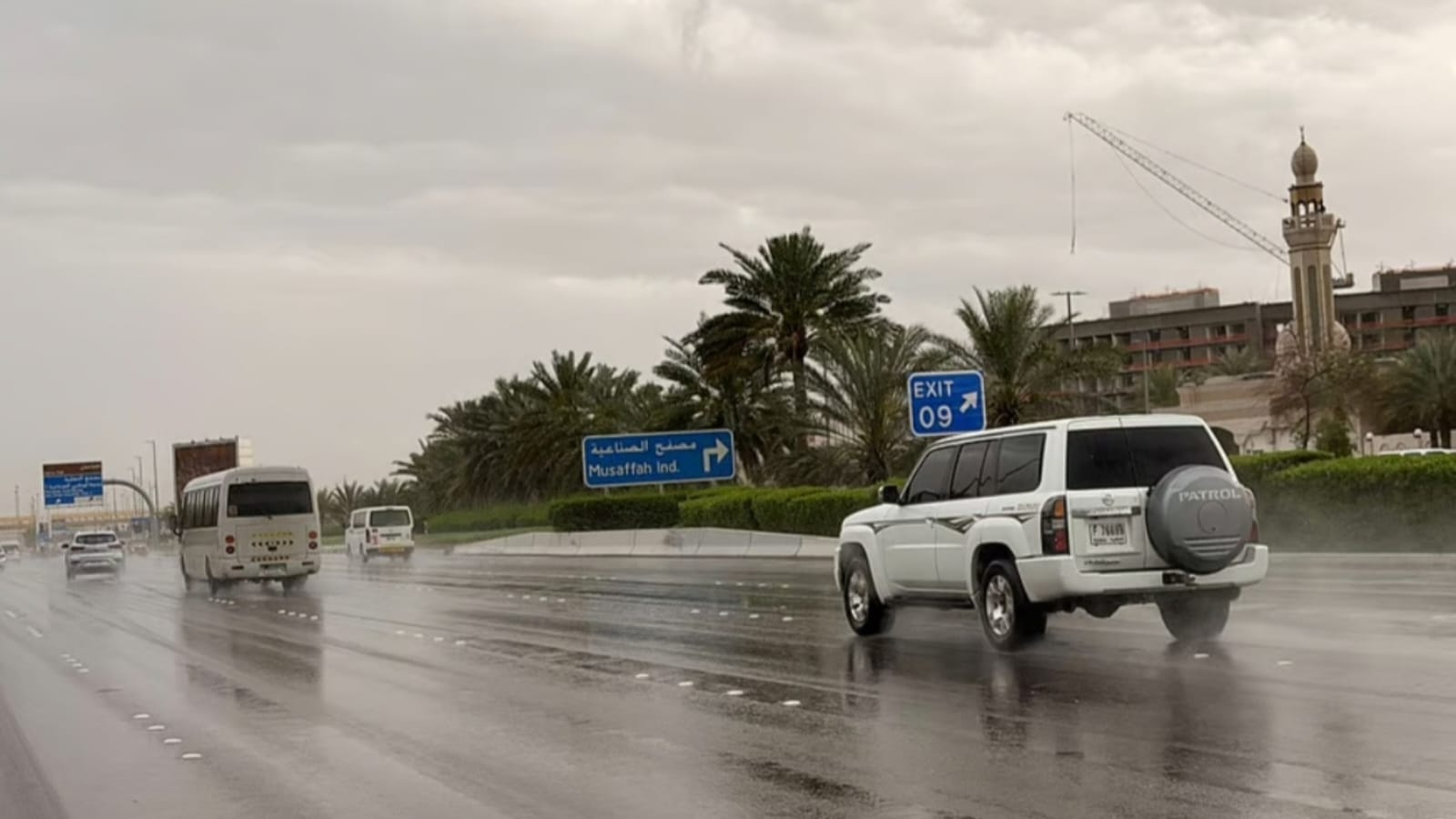

Dubai Police has reported responding to an exceptional 32,000 emergency calls within just two days as severe storm systems swept across the United Arab Emirates. Torrential rain, strong winds, and flash flooding placed intense pressure on emergency services and tested urban infrastructure across several emirates.
The storms disrupted travel, damaged property, and affected daily life for residents and visitors. In response, Dubai Police mobilised round-the-clock resources to support motorists, families, and communities during the weather emergency.
This article examines how authorities handled the surge in emergency calls, the types of assistance provided, and what the response reveals about preparedness and resilience in the UAE.
Storm Impact on Daily Life in Dubai
Heavy rain and thunderstorms hit Dubai particularly hard. Intense rainfall caused water accumulation on major roads, bridges, and low-lying areas. As a result, driving conditions became hazardous, and many vehicles stalled.
Meanwhile, weather alerts warned of unstable atmospheric conditions, reduced visibility, and strong winds. Authorities urged residents to exercise caution and avoid unnecessary travel.
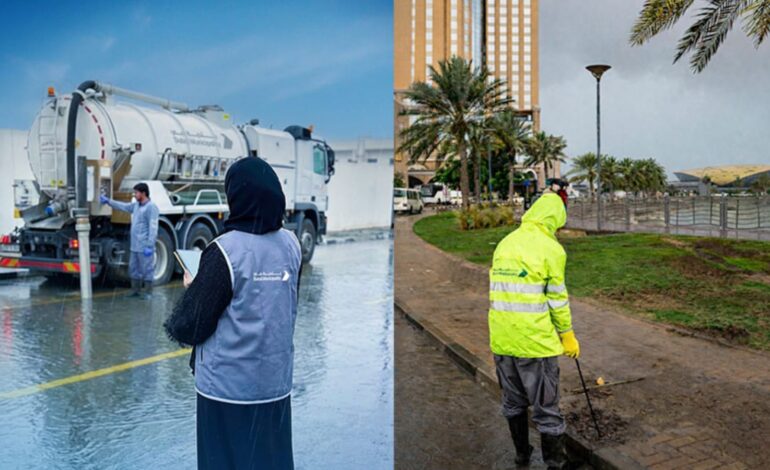
Across the city, emergency teams responded to flooded underpasses, traffic congestion, and stranded motorists. The high volume of emergency calls reflected both the intensity of the storm and the concentration of incidents within a short time.
Emergency Response: 32,000 Calls in Two Days
Dubai Police confirmed that emergency operators handled 32,000 calls over a 48-hour period as storm-related incidents escalated.
Requests for help included:
* Stranded vehicles on flooded roads
* Traffic accidents and breakdowns
* Medical emergencies requiring urgent access
* Rescue operations from homes and vehicles
* Safety hazards caused by debris and storm damage
Despite the extraordinary call volume, authorities said advance planning and established emergency protocols helped manage the pressure effectively.
How Dubai Police Managed the Surge
To cope with the demand, Dubai Police activated its severe-weather emergency response plan.
Reinforced Staffing and Resources
Authorities deployed additional call-centre operators and reassigned officers from routine duties to storm-response teams. Command centres prioritised rescue operations and life-threatening incidents.
Specialised Rescue Units
Police mobilised teams trained in water rescue, traffic management, and urban response. These units used boats, high-clearance vehicles, rescue tools, and medical equipment.
Inter-Agency Coordination
Dubai Police coordinated closely with civil defence, ambulance services, and municipal authorities. This cooperation helped reduce duplication and improved response efficiency.
Real-Time Monitoring
Command centres relied on traffic cameras, geolocation data, and live reporting to identify flooding hotspots. Real-time communication allowed teams to reach high-risk areas faster.
Types of Emergency Assistance Provided
Motorist Rescue and Road Support
Many calls came from drivers trapped in floodwater or unable to proceed. Rescue teams assisted motorists, recovered vehicles, and redirected traffic away from dangerous routes.
Medical and Ambulance Support
Emergency teams responded to medical cases where access proved difficult due to flooding. Police escorted ambulances through affected areas to ensure timely care.
Building and Area Evacuations
In some locations, rising water levels trapped residents inside homes, shops, or walkways. Police and civil defence teams helped evacuate people safely, including older residents and families with children.
Public Safety and Hazard Control
Authorities also responded to reports of fallen trees, damaged infrastructure, and blocked roads. Teams secured sites and guided the public away from danger zones.
Role of Weather Forecasting and Alerts
The National Centre of Meteorology issued advance warnings ahead of the storm. These alerts allowed emergency services to prepare staffing plans and resource deployments.
Meteorologists attributed the weather to unstable atmospheric conditions linked to seasonal transitions across the Arabian Peninsula. High humidity, low-pressure systems, and interacting air masses caused rapid cloud formation and intense rainfall.
Early warnings proved critical in helping authorities respond quickly once conditions worsened.
Public Response and Community Impact
Residents widely shared images and experiences on social media, highlighting flooded streets and travel disruptions. At the same time, many praised the efforts of Dubai Police and emergency teams.
Community members also supported one another. Neighbours checked in on older residents, assisted with clean-up efforts, and helped those affected by flooding. This community response complemented official rescue operations.
Emergency Preparedness in Dubai
Dubai’s emergency response system has evolved to address extreme weather and other crises. Authorities have invested in:
* Centralised emergency call centres
* Advanced call-triage and dispatch systems
* Specialised disaster-response units
* Inter-agency communication networks
* Training exercises and public safety campaigns
These systems allowed responders to prioritise incidents and focus on life-threatening situations during peak demand.
Challenges During the Storm Response
Emergency teams faced several obstacles:
Infrastructure strain: Flooded roads slowed vehicle movement in some areas. Teams used alternative routes and specialised vehicles.
High call volume: Tens of thousands of calls required rapid triage and decision-making.
Communication pressure: Managing simultaneous incidents demanded constant coordination between command centres and field units.
Despite these challenges, authorities maintained continuity of service.
Lessons and Future Preparedness
The storm response highlighted several priorities for future resilience:
Data-driven planning to anticipate call surges
Public awareness on storm safety and travel precautions
Ongoing technology upgrades for faster dispatch and monitoring
Authorities emphasised that preparedness, combined with public cooperation, remains essential during extreme weather events.
Conclusion
Dubai Police’s response to 32,000 emergency calls in two days demonstrates the strength and resilience of the UAE’s emergency systems. Through advance planning, inter-agency cooperation, and dedicated frontline personnel, authorities managed an unprecedented surge in demand while prioritising public safety.
Although the storms disrupted daily life, the coordinated response provided reassurance to residents and visitors alike. The episode underscores the importance of preparedness, communication, and community cooperation during severe weather emergencies.