
Emirates Suspends Dubai Flights Amid US Israel Iran conflict


Air travel across the Middle East has entered a phase of significant disruption after Emirates temporarily suspended flights to and from Dubai, following escalating military tensions involving the United States, Israel and Iran. The airline confirmed that operations were paused until 3:00pm UAE time on Sunday, March 1, citing multiple regional airspace closures linked to the rapidly evolving security situation.
The move has created uncertainty for thousands of passengers worldwide and highlights the growing vulnerability of global aviation networks to geopolitical shocks. With Dubai serving as one of the world’s busiest transit hubs, even a short suspension has sent ripple effects across international travel routes.
What Emirates Announced
Emirates issued an official statement confirming the temporary suspension of flights in and out of Dubai until 15:00 local time. The airline stressed that the decision was taken purely as a precautionary safety measure in response to regional airspace restrictions and heightened military activity.
The carrier emphasised several key points:
-
Passenger and crew safety remains the top priority
-
The situation is being actively monitored in real time
-
Coordination is ongoing with aviation and government authorities
-
Operations will resume when conditions are deemed safe
Passengers were strongly advised to check their flight status before travelling to the airport and to ensure their contact details are updated in booking records to receive timely alerts.
The airline also noted that schedules could change quickly depending on how the regional security picture evolves.
Flexible Rebooking and Refund Options
To minimise inconvenience for affected travellers, Emirates introduced flexible travel support measures. Customers scheduled to fly within the next 72 hours have been offered multiple options.
Affected passengers can:
-
Rebook within 10 days of the original travel date
-
Choose an alternative Emirates flight
-
Request a full refund
-
Modify travel plans without standard change penalties
Passengers who booked through travel agents have been instructed to contact their agents directly. Those who booked via Emirates’ website, app or call centres are advised to manage their bookings through official Emirates channels.
Travel experts say such flexibility has become standard during periods of geopolitical disruption, allowing airlines to manage sudden operational risks while maintaining customer confidence.
Why Flights Were Suspended
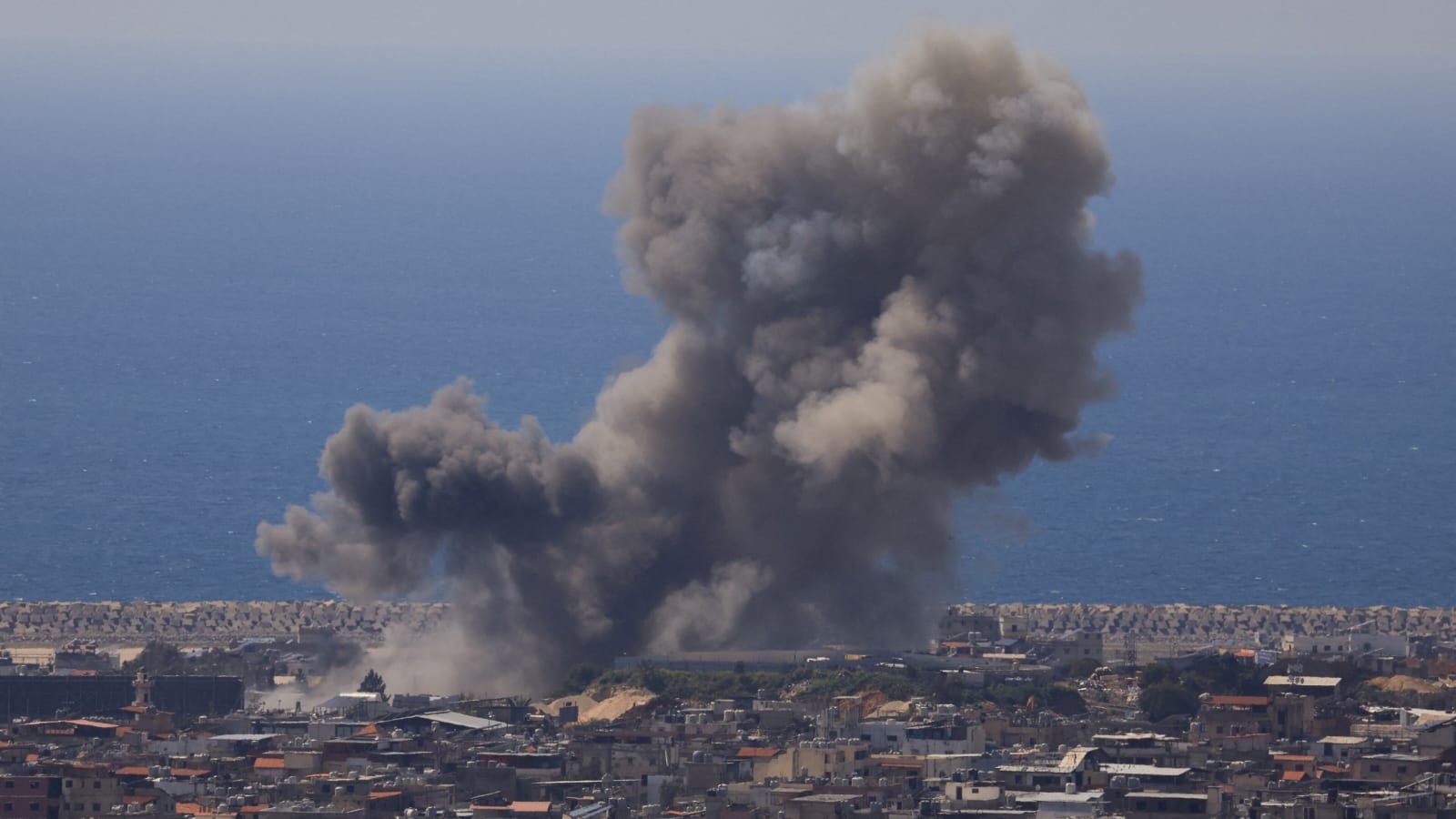
The disruption is directly tied to the escalating US–Israel–Iran tensions, which have triggered widespread airspace restrictions across parts of the Middle East.
Several key factors drove the decision:
Regional Airspace Closures
Multiple countries in the region moved to restrict or temporarily close portions of their airspace following heightened military activity. When neighbouring airspace becomes uncertain, major hubs like Dubai often face precautionary adjustments.
Heightened Military Activity
Recent military exchanges and the risk of further escalation have raised concerns about the safety of civilian aviation corridors.
Aviation Risk Assessments
Airlines continuously conduct dynamic risk assessments. When threat levels rise beyond acceptable thresholds, temporary suspensions are often implemented to prioritise safety.
Precautionary Safety Protocols
Global aviation operates on a safety-first principle. Even without direct threats to airports, the possibility of missile or drone activity in nearby airspace can trigger operational pauses.
Industry observers note that airlines typically act conservatively during fast-moving security situations.
Wider Aviation Chaos Across the Middle East
The Emirates suspension is part of a broader aviation shockwave sweeping the region. Early reports indicate widespread disruption across major Gulf and Middle Eastern aviation networks.
Key developments include:
-
Major Gulf hubs experienced operational disturbances
-
Hundreds of flights were cancelled or delayed
-
Long-haul Europe–Asia routes were rerouted
-
Passengers reported widespread schedule uncertainty
More than 700 flights across the Gulf and wider Middle East were reportedly cancelled as the crisis unfolded, though numbers continue to change as airlines adjust schedules.
Globally, the disruption has already stranded thousands of travellers and complicated tightly coordinated international flight networks.
Impact on Dubai’s Role as a Global Aviation Hub
Dubai is one of the most critical transit gateways in global aviation, connecting Europe, Asia, Africa and Australia through highly synchronised flight banks.
Even short suspensions can create outsized consequences because:
-
Dubai handles massive daily passenger volumes
-
Emirates operates a hub-and-spoke mega-network
-
Many long-haul journeys rely on Dubai connections
-
Aircraft and crew rotations depend on tight timing
When flights pause in Dubai, the effects cascade worldwide, causing missed connections, aircraft repositioning challenges and crew scheduling complications.
Aviation analysts say the current disruption demonstrates how sensitive global air travel remains to geopolitical shocks in key transit regions.
What Other Airlines Are Doing
Emirates is not alone in adjusting operations. Several regional and international carriers have taken precautionary measures.
Regional Carriers
Airlines such as flydubai and other Gulf operators have:
-
Suspended selected routes
-
Delayed departures
-
Rerouted aircraft
-
Increased monitoring of risk levels
European Airlines
Some European carriers have begun avoiding certain Middle Eastern air corridors, opting for longer alternative routes.
Asian Airlines
Several Asia-bound flights have experienced delays due to rerouting and airspace congestion.
Industry experts warn that if tensions persist, the disruption could expand further across global aviation networks.
Guidance for Travellers
Authorities and airlines are urging passengers to remain cautious and stay informed as the situation evolves. Travellers planning to fly through Dubai or the wider Middle East should take several precautions.
Before Heading to the Airport
-
Check flight status directly with the airline
-
Monitor SMS and email alerts
-
Avoid arriving without confirmed departure status
-
Keep travel documents easily accessible
During the Next Few Days
-
Allow extra travel time
-
Prepare for possible last-minute changes
-
Keep flexible travel plans where possible
-
Monitor official aviation advisories
With conditions changing rapidly, airlines warn that further schedule adjustments remain possible.
Economic and Industry Implications
While the suspension is primarily a safety measure, aviation disruptions of this scale can have broader economic implications.
Airline Operations
Short-term impacts may include:
-
Increased fuel costs due to rerouting
-
Aircraft utilisation disruptions
-
Crew scheduling challenges
-
Higher passenger rebooking volumes
Tourism and Travel Demand
If instability persists, potential effects could include:
-
Short-term booking hesitations
-
Insurance cost adjustments
-
Changes in transit patterns
-
Pressure on airline profitability
However, analysts note that aviation typically rebounds quickly once airspace stability returns.
Market and Oil Price Sensitivity
Geopolitical tensions in the Gulf are closely watched by global markets because of the region’s central role in energy supply and aviation corridors.
Historically, similar events can influence:
-
Oil price volatility
-
Aviation insurance premiums
-
Airline stock movements
-
Investor risk sentiment
So far, there has been no indication of sustained economic disruption, but markets remain in watch mode.
What Happens Next
The duration of the current aviation disruption will depend heavily on how regional security dynamics unfold in the coming days.
Key factors to monitor include:
-
Airspace reopening timelines
-
Levels of military escalation
-
Updated airline risk assessments
-
Government aviation advisories
-
Passenger demand recovery trends
If tensions ease quickly, normal operations could resume smoothly. However, prolonged instability could lead to deeper and more prolonged aviation adjustments.
Airlines typically restore schedules gradually to avoid sudden operational bottlenecks.
Emirates’ Strategic Position
Emirates’ rapid decision to suspend flights reflects its highly risk-sensitive operational model. As one of the world’s largest international airlines, the carrier must balance:
-
Passenger safety
-
Network reliability
-
Regulatory compliance
-
Brand confidence
By acting early, the airline signals a precaution-first approach designed to protect both passengers and long-term operational stability.
Industry analysts say the airline’s response is consistent with global best practices during fast-moving regional security events.
Passenger Outlook for the Coming Week
For travellers with upcoming itineraries through Dubai, the next few days will be crucial.
Passengers should expect:
-
Continued schedule monitoring
-
Possible rolling delays
-
Gradual resumption of flights
-
Heavy customer service demand
-
Busy rebooking channels
Those with non-urgent travel may benefit from keeping plans flexible until the regional situation stabilises.
Emirates’ temporary suspension of Dubai flights underscores how quickly geopolitical tensions can ripple through global aviation systems. What began as a regional security escalation has already affected thousands of passengers and hundreds of flights.
While the pause is currently described as temporary, the broader Middle East security environment remains fluid and unpredictable. Airlines, regulators and governments are now in close watch mode.
For travellers, the key message is clear: stay informed, remain flexible and rely only on official airline updates.
For the aviation industry, the episode is another reminder that in today’s interconnected world, geopolitical flashpoints can rapidly translate into global travel disruption.






2 Comments
[…] detailed guide explains why flights were disrupted, which routes are operating again, what passengers should do, and how UAE aviation hubs are managing […]
[…] Since the Iranian attacks began earlier this week, several airlines operating in the Gulf region have reduced services or temporarily suspended flights. […]
Comments are closed.