
Start your day in the UAE with a taste of tradition. Emirati breakfast is more than just food; it offers a rich cultural experience. These morning meals reflect the nation’s history as a hub for fishing and trade. They combine simple, quality ingredients with aromatic spices. The result is a unique blend of sweet and savory flavors. This guide dives into the most famous dishes. We will explore Balaleet, Chebab, and the best places to find them. Discover the authentic flavors locals love.
The Richness of Emirati Breakfast
Emirati cuisine developed from Bedouin and coastal traditions. Before the introduction of rice, simple breads and milk products were staples. Later, trade routes brought spices like saffron and cardamom. Consequently, these spices became essential to the Emirati breakfast. The meal is characterized by its comforting textures. Moreover, it is famous for its unexpected flavor pairings.
Sweet, Savory, and Spiced
The classic Emirati breakfast is a feast of contrasts.
-
Sweetness: Local dates, honey, or date syrup, called dibs, often provide the sweet element.
-
Savory Balance: Fresh eggs, cream cheese, or salty cheese like Chami provide the savory balance.
-
Aromatic Spices: Saffron and cardamom infuse almost every dish. They give the food its signature golden color and fragrance.
Families usually share this morning meal family-style. It often includes an array of breads, dips, and hot beverages. Ultimately, the meal provides a slow, warm start to the day.
Balaleet: Sweet Vermicelli Magic
Balaleet is one of the most iconic Emirati breakfast dishes. It perfectly embodies the cuisine’s sweet-and-savory contrast. Therefore, any food lover visiting the UAE must try it.
What Makes Balaleet Special?
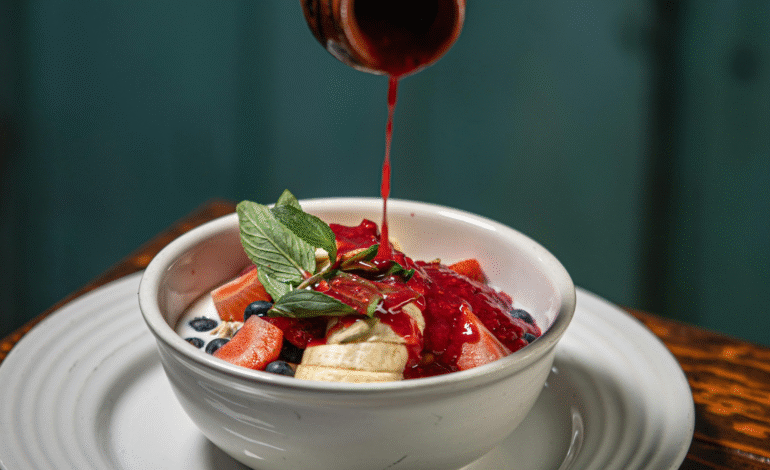
Balaleet consists of delicate vermicelli noodles. Cooks sweeten these noodles lightly with sugar. Saffron and cardamom are the primary flavors; these spices deeply infuse the noodles. They give the dish its beautiful golden hue and fragrant aroma. The sweet, warm noodles are then topped with a plain or saffron-infused egg omelette. The salty egg provides a savory balance. This process creates a truly unique flavor profile. The dish surprises and delights every first-time taster.
Cultural Significance
This dish is especially important during celebratory times. Families frequently serve Balaleet during Eid celebrations. It is also a popular starter for Iftar during the Holy Month of Ramadan. Its presence on the table signifies hospitality and tradition. Serving it acts as an expression of cultural pride. Many families hold their own slight variations of this classic recipe.
Tips for Tasting Balaleet
-
Eat it Warm: Balaleet tastes best when served hot, directly from the kitchen.
-
Mix It Up: Make sure you scoop up a forkful of both the sweet noodles and the salty egg. This action maximizes the flavor contrast.
-
Watch for Spices: You should notice the cardamom, but it should not overwhelm the dish.
Chebab: The Emirati Pancake
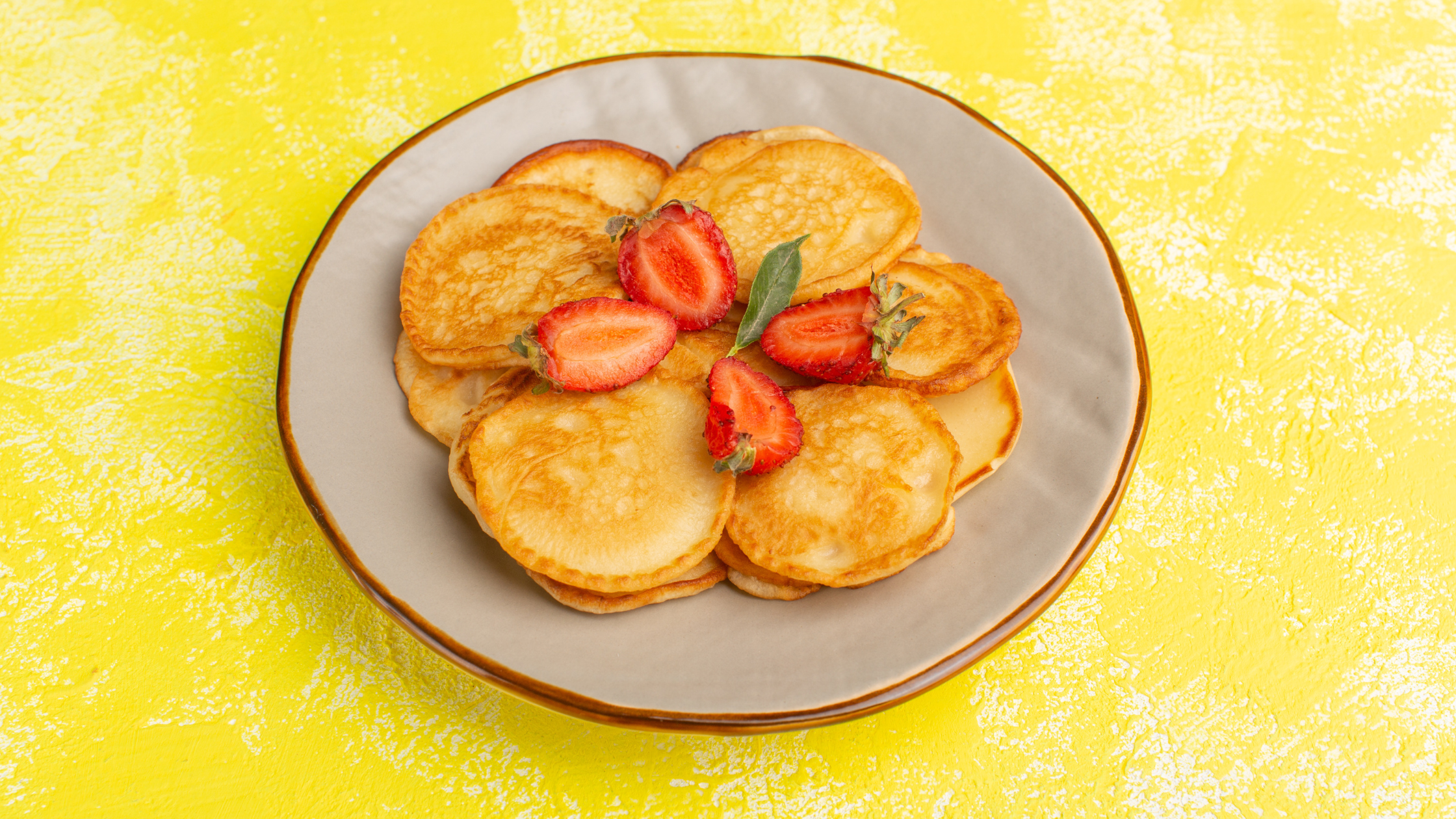
If you love pancakes, you must try Chebab. This dish is the Emirati version of a pancake. It is a popular and comforting Emirati breakfast staple. Chebab is thin and slightly spongy, similar to a crêpe.
Chebab’s Unique Preparation
What truly sets Chebab apart is its batter. Cooks make the batter with yeast, allowing the pancake to ferment briefly. This fermentation gives it a subtle, pleasant tang. They then flavor the batter with the essential Emirati spices: saffron and cardamom. When cooked, the batter forms small holes on the surface. These holes are perfect for soaking up sweet toppings. The cook quickly finishes the pancake on a flat pan until it turns golden brown.
Serving Chebab
Chebab is almost always served hot. Typically, it comes accompanied by rich, traditional sides.
-
Dibs (Date Syrup): A generous drizzle of thick, dark date syrup is common.
-
Honey: Pure local honey offers a simple, comforting sweetness.
-
Cream Cheese: Spreading a salty cream cheese on the warm Chebab remains a favorite local tradition.
The yeasted texture and the fragrant spice make Chebab a memorable breakfast. It truly elevates the simple pancake idea.
Must-Try Emirati Breads
No Emirati breakfast spread is complete without bread. Three types of bread are usually present. They are designed specifically for scooping, dipping, and filling. These breads are essential for experiencing authentic flavors.
Khameer Bread
Khameer is a round, slightly puffy flatbread. The name Khameer comes from the Arabic word for yeast. Bakers lightly sweeten this bread. They often enrich it with milk powder and a hint of saffron. The texture is soft and airy, which makes it perfect for filling. You can fill it with salty white cheese or dip it directly into date syrup. It is truly a comforting, tear-and-share bread.
Khubz Regag (Raqaq Bread)
Regag is the opposite of Khameer. It is a paper-thin, crispy, unleavened bread. Cooks make it from a water-thin dough and cook it quickly on a hot curved plate. Regag is incredibly versatile. You can eat it plain. You can also top it with egg, cheese, or honey while it is still cooking. Its delicate, crispy texture makes it a favorite street food snack.
Muhalla Bread
Muhalla is another type of sweet bread. Typically, they make it with flour and dates, giving it a slightly denser texture than Chebab. Muhalla bread is popular because of its natural, deep sweetness from the dates. People usually eat this bread on its own or with a simple cup of Gahwa (Arabic coffee).
More on the Emirati Breakfast Menu
While Balaleet and Chebab are the stars, other dishes complete the traditional feast. These savory items add body and protein to the meal. They showcase the diverse history of Emirati food.
Baith wa Tomat (Emirati Shakshuka)
Baith wa Tomat literally translates to “eggs and tomato.” It is the Emirati version of Shakshuka. This dish features eggs scrambled or poached in a tomato sauce. The sauce includes onions, bell peppers, and local spices. It is less spicy than the Levantine Shakshuka. Cooks often season it with fragrant herbs. They usually serve this dish with Khameer or Regag bread for dipping. It offers a protein-packed and satisfying start to the day.
Dango and Bajella
These are simple yet traditional legume dishes.
-
Dango: Boiled chickpeas, seasoned lightly with salt and spices.
-
Bajella: Boiled broad beans (fava beans) prepared similarly.
These simple dishes were staples in the past. They offered crucial nourishment and energy. We still find them on many traditional breakfast menus today. Dango and Bajella represent the humble origins of the cuisine.
Where to Find Emirati Breakfast in the UAE
If you want to experience an authentic Emirati breakfast easily, Abu Dhabi and Dubai offer the best locations. Look for restaurants that specialize in Khaleeji (Gulf) cuisine. These places prioritize a genuine cultural ambiance.
In Dubai: Historic and Modern Spots
Dubai offers a mix of traditional courtyards and contemporary cafes.
-
Arabian Tea House: Located in the Al Fahidi Historical Neighbourhood, this spot provides an immersive cultural setting. You eat in a traditional courtyard surrounded by heritage architecture. They serve a full, classic Balaleet and Chebab spread. This is a top choice for tourists seeking atmosphere.
-
Al Fanar Restaurant & Cafe: This restaurant is known for its 1960s-era UAE décor. It aims to recreate the authentic, good old days of Emirati life. They offer a comprehensive traditional breakfast menu. Look for their various forms of Regag and Chebab.
-
Logma: Found in modern locations like The Dubai Mall and BoxPark, Logma gives traditional Khaleeji cuisine a trendy, contemporary twist. It is a great spot to try Khameer bread and Balaleet with a sleek city view.
-
Houd Restaurant (Al Awir): For a genuinely local feel away from the tourist crowds, head here. Located closer to the Al Awir desert area, it is famous for its large, authentic breakfast platters.
In Abu Dhabi: Authentic Eateries
Abu Dhabi offers several fantastic options that focus on homemade recipes.
-
Meylas: Located in Al Muneera, this restaurant features recipes passed down through generations. The atmosphere is warm and celebrates local art. They offer superb Baith wa Tomat and fresh Chebab.
-
Yadoo’s House: This spot focuses on recipes inspired by Emirati grandmothers (Yadoo). Their breakfast platter comes highly recommended. It includes excellent Karak tea, providing a comforting, home-style experience.
-
Al Fanar Restaurant & Cafe: The Abu Dhabi branches maintain the same traditional 1960s ambiance as the Dubai locations. They are reliable spots for a full Balaleet and bread spread.
The Essential Side: Gahwa and Karak
No traditional Emirati breakfast is complete without the drinks. Beverages serve as a welcome and aid digestion. They remain as culturally important as the food itself.
Gahwa (Arabic Coffee)
Gahwa is the traditional Arabic coffee. Roasters lightly roast it, which gives it a light blonde color. They infuse it with spices, primarily cardamom and saffron. Gahwa tastes bitter; servers usually pour it into small, handleless cups called finjans. It is an essential part of hospitality. Guests receive a welcome with it and dates. The ritual of serving and receiving Gahwa is an honor.
Karak Tea
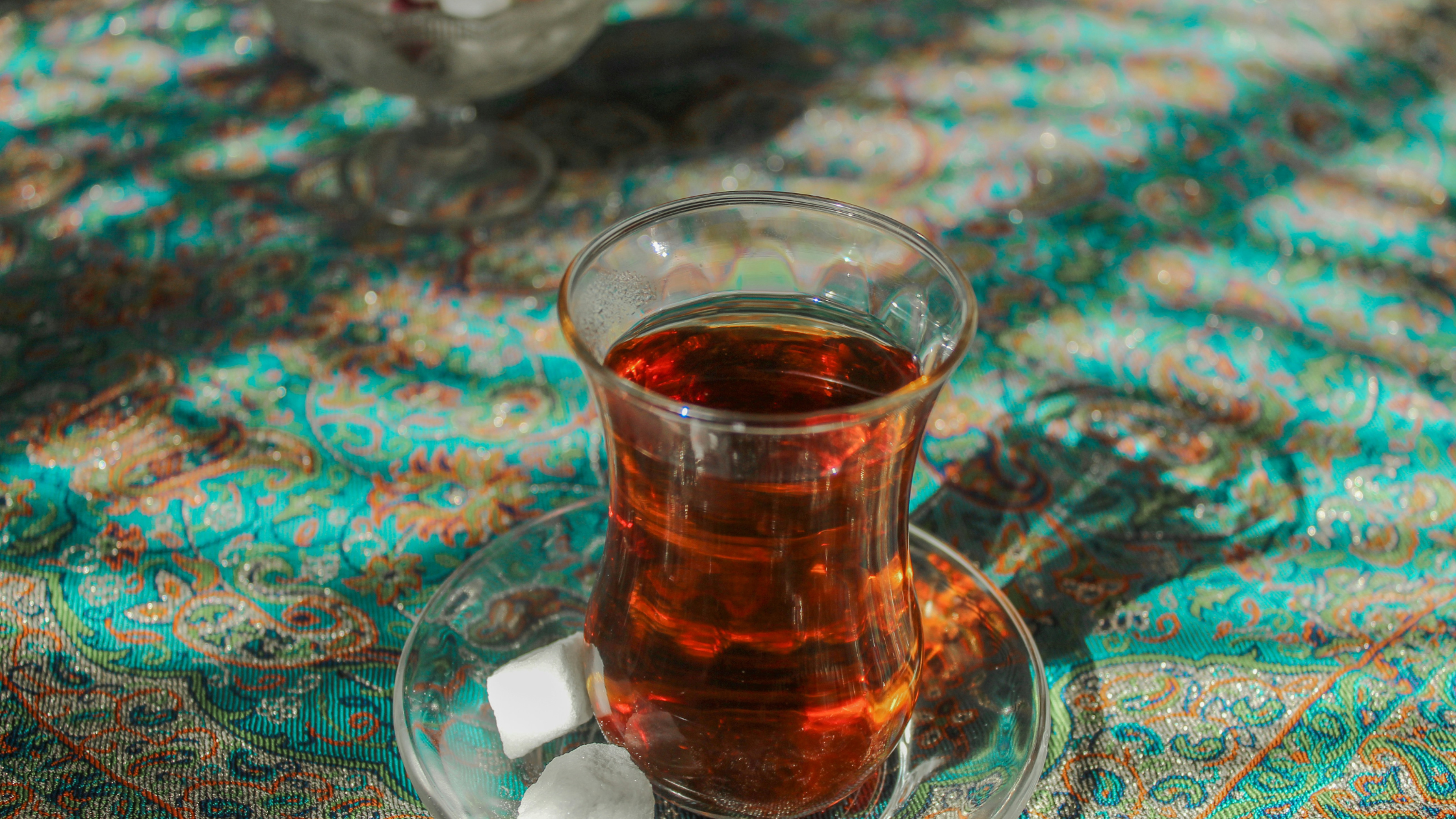
Karak tea is a popular, everyday hot beverage. It is a strong black tea boiled with evaporated milk and sugar. The name Karak means “strong.” It has Indian influences, reflecting the trade history. It tastes sweet, comforting, and packs energy. A hot cup of Karak offers the perfect finish to a substantial Balaleet and Chebab breakfast.
Exploring the Balaleet and Chebab of the UAE offers a delightful journey. It provides a deep dive into the nation’s history and warm culture. Do not miss this chance to experience the true taste of the Emirates.