Etihad Rail to Launch Passenger Trains in UAE in 2026
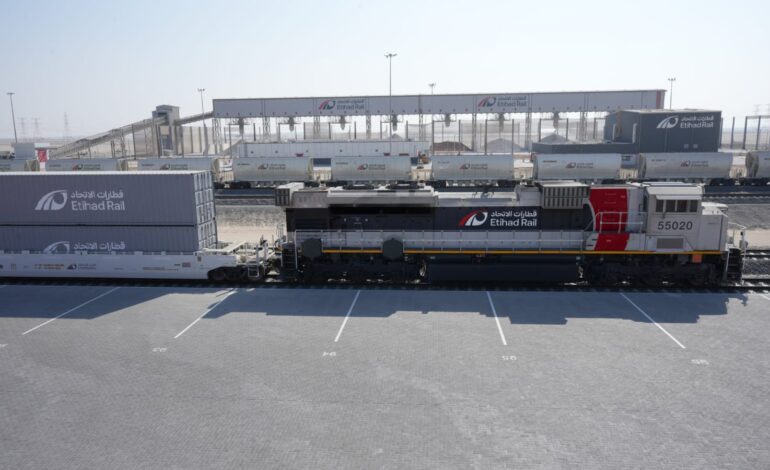

In a historic shift for public transport, Etihad Rail will launch passenger train services across the United Arab Emirates in 2026. This long awaited development marks a turning point in national mobility and signals a new chapter in how people travel between the emirates.
The project arrives nearly two decades after planners first conceived the national rail network. Once services begin, passenger trains will link major cities across the country and provide fast, reliable and sustainable transport for residents, commuters and visitors. As a result, the UAE will gain its first fully integrated inter city passenger railway.
At the same time, the launch reflects the country’s wider transport strategy. Authorities continue to prioritise integrated infrastructure, shorter travel times and seamless connectivity between urban centres. Therefore, the passenger rail system stands poised to reshape everyday movement from Abu Dhabi to Dubai and onward to Sharjah and Fujairah.
This article examines the scope of the passenger rail launch, the planned network, expected benefits, operational partnerships and why the project matters for the UAE’s long term future.
A Defining Milestone for National Transport
The introduction of passenger rail represents a major milestone for UAE public transport. For years, the country has invested heavily in highways, aviation and metro systems. However, a national inter emirate passenger railway remained a long term ambition.
Now, Etihad Rail moves that ambition into reality. After years of planning, construction and coordination, the passenger service will complement existing transport modes and expand national mobility options.
Importantly, this step builds on the proven success of Etihad Rail’s freight operations. Freight trains already connect ports, industrial zones and logistics hubs across the UAE. These services support supply chains and economic diversification. Passenger rail will now extend those benefits directly to people.
Network Coverage and Initial Stations
Passenger services will begin at stations in major emirates including Abu Dhabi, Dubai, Sharjah and Fujairah. These stations will operate as primary hubs and ensure easy access for travellers from surrounding communities.
In addition, planners designed the network to support future expansion. Over time, the railway will connect up to 11 cities and regions across the country. The full route will stretch from Al Sila in the west to Fujairah in the east, with stops such as Ruwais and Al Mirfa.
As a result, the network will serve both major population centres and strategically important industrial areas. This balanced approach supports inclusive national development.
Speed, Capacity and Ridership Targets
Etihad Rail designed its passenger trains for speed and efficiency. Trains will reach top speeds of up to 200 kilometres per hour. Consequently, travel times between emirates will fall sharply.
Each train will carry up to 400 passengers. Operators plan multiple daily services to meet growing demand. By 2030, the network aims to serve approximately 36 million passengers each year.
Notably, the Abu Dhabi to Dubai journey will take about 57 minutes. This timing positions rail as a strong alternative to driving, particularly during peak traffic periods.
Operational Partnerships and Service Standards
To deliver a world class passenger experience, Etihad Rail partnered with **Keolis**, a global public transport operator. Together, they established **Etihad Rail Mobility**, a joint venture dedicated to passenger services.
Keolis brings extensive international experience in rail operations, safety management and customer service. Therefore, the partnership combines global best practices with advanced UAE infrastructure.
From the outset, this collaboration aims to ensure punctuality, comfort and reliability. As a result, passengers can expect consistent service standards from day one.
Transforming Daily Mobility Patterns
Passenger rail will significantly alter daily travel habits across the UAE. For commuters, trains will offer faster and more predictable journeys between emirates. Consequently, many travellers may choose rail over private vehicles.
This shift will ease pressure on highways and reduce congestion. Over time, it may also improve road safety and lower travel related stress.
Meanwhile, tourists will gain a convenient way to explore multiple emirates without relying on long road journeys. Therefore, passenger rail enhances both resident mobility and visitor experience.
Supporting Sustainability and Climate Objectives
Rail transport consumes less energy per passenger than road travel. For this reason, expanding rail use directly supports national sustainability goals.
By encouraging people to shift from cars to trains, the UAE can reduce carbon emissions and fuel consumption. This transition aligns with the country’s Net Zero 2050 strategy and broader environmental commitments.
Moreover, rail supports compact urban development and smart mobility planning. As a result, passenger rail contributes to long term environmental resilience.
Strengthening National Integration
For the first time, a single passenger rail network will physically link the emirates. This connectivity strengthens economic integration by improving access to jobs, education and services.
In addition, better transport links support cultural exchange and social cohesion. Communities separated by long distances will become more accessible.
Over time, this physical connectivity reinforces a shared national identity and a more integrated economy.
Economic Impact and Employment Opportunities
Large scale transport infrastructure often drives economic growth, and Etihad Rail follows this pattern. Construction, operations and maintenance activities create direct employment opportunities.
Furthermore, improved connectivity attracts investment and boosts tourism. Businesses near stations benefit from increased footfall and easier access to labour markets.
In the long run, passenger rail can stimulate transit oriented development and reshape urban growth around key transport nodes.
Passenger Comfort and Onboard Experience
Although authorities continue to finalise details, early plans highlight a modern and comfortable onboard environment. Designers prioritised ergonomics, accessibility and convenience.
Passengers will benefit from digital ticketing systems that streamline booking and boarding. In addition, trains will offer spaces for work, relaxation and leisure. Multiple service classes will cater to different preferences.
Together, these features aim to make rail travel attractive for daily commuting and long distance trips alike.
Infrastructure Readiness and Project Progress
The national railway network spans roughly 900 kilometres and already supports freight operations. It connects ports, industrial centres and major urban areas.
Meanwhile, teams continue to complete passenger stations and supporting infrastructure. These efforts include platform construction, access roads, parking facilities and links to local transport networks.
This phased approach ensures safety, reliability and operational readiness ahead of the 2026 launch.
Regional Connectivity and the GCC Vision
Beyond domestic travel, Etihad Rail positions the UAE for future regional rail integration within the Gulf Cooperation Council.
In the future, rail links could connect the UAE with Oman and Saudi Arabia. Projects such as Hafeet Rail already lay the groundwork for cross border connections.
These links could unlock new opportunities for tourism, business travel and logistics across the Gulf region.
Implementation Challenges and Solutions
Launching a national passenger rail system involves complex coordination. Authorities must align schedules across emirates and integrate rail with buses and metro services.
Additionally, operators must manage staffing, training and safety certification. However, long term planning and experienced partners help address these challenges.
Clear communication and phased rollout strategies will further support smooth implementation.
Public Response and Expectations
Public reaction to the passenger rail announcement has remained strongly positive. Many residents welcome faster, more reliable travel options.
Businesses also recognise the benefits of improved connectivity and labour mobility. Urban planners view the network as a foundation for smarter cities.
Overall, Etihad Rail symbolises national progress and future focused development.
Conclusion
The launch of Etihad Rail passenger services in 2026 marks a defining moment for transport in the UAE. High speed trains, strategic stations and global partnerships will transform national mobility.
As rail becomes part of everyday life, it will connect communities, shorten journeys and support economic and environmental goals. With passenger services finally approaching, the UAE stands firmly on track for a new era of integrated, sustainable transport.