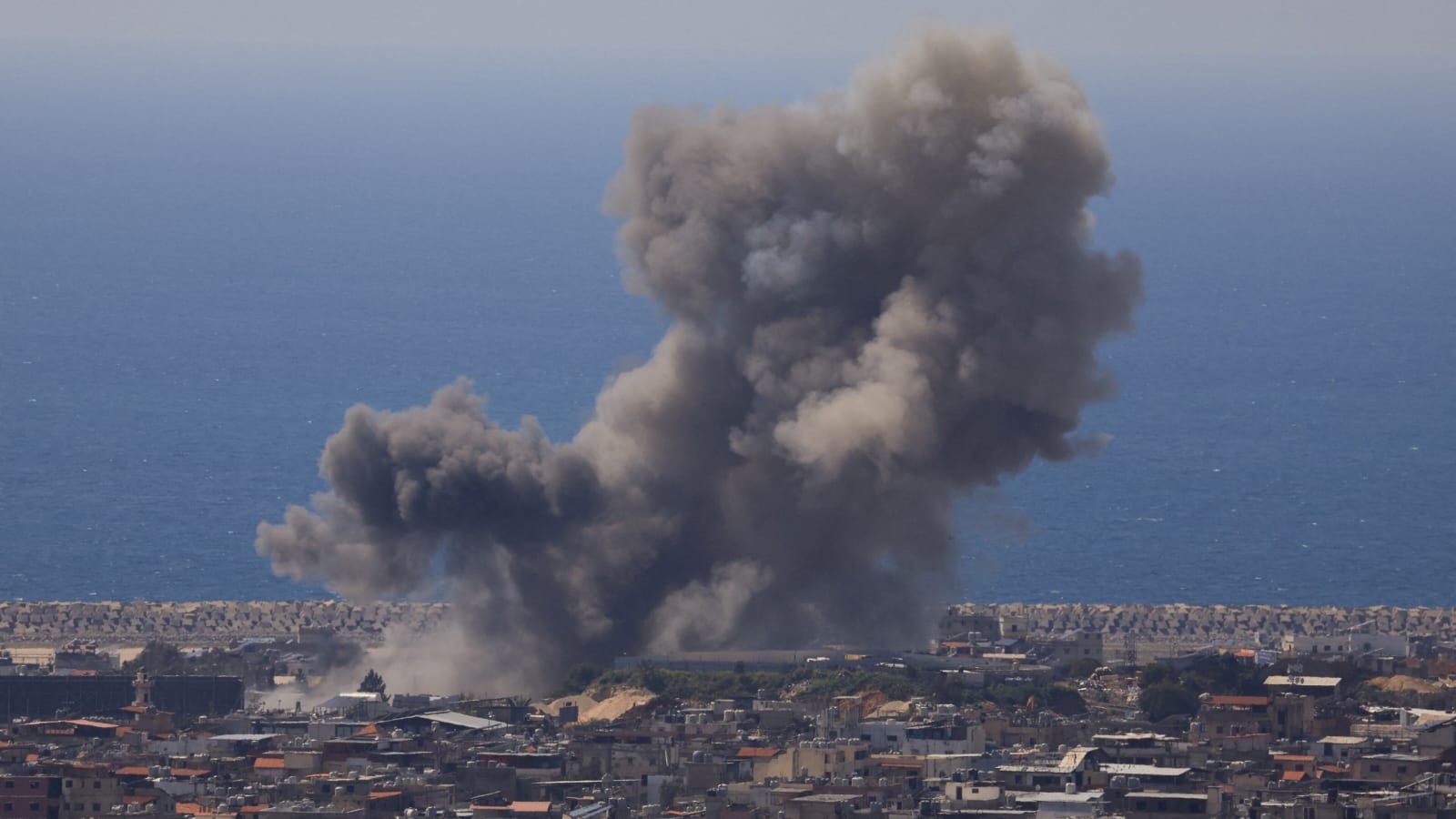

The Gulf Cooperation Council (GCC) has issued a strong and unified condemnation of recent Iranian missile and drone attacks targeting member states and the Hashemite Kingdom of Jordan. The statement followed an extraordinary ministerial meeting convened urgently to assess the rapidly escalating regional situation.
Officials described the strikes as a serious violation of sovereignty and international law, warning that the incidents threaten regional stability, civilian safety and global energy security. At the same time, the development signals growing Gulf unity at a moment of heightened geopolitical tension across the Middle East.
As security risks rise, the GCC’s coordinated response is being closely watched by regional governments, investors and international policymakers.
Emergency GCC Ministerial Meeting
The condemnation came after the 50th extraordinary session of the GCC Ministerial Council, which was held virtually and chaired by Bahrain’s Foreign Minister Dr Abdullatif bin Rashid Al Zayani.
During the high-level meeting, ministers conducted a comprehensive review of the unfolding situation.
Key agenda items included:
-
Reviewing recent regional developments
-
Assessing damage from Iranian attacks
-
Discussing coordinated security measures
-
Exploring diplomatic steps to restore stability
Importantly, the council stressed the need for urgent de-escalation while simultaneously maintaining readiness to protect member states. This dual message reflects the GCC’s attempt to balance deterrence with diplomatic restraint.
Strongest Condemnation Issued
In its official communique, the GCC expressed what it described as its “firm rejection and strongest condemnation”of the Iranian missile and drone attacks targeting GCC countries and Jordan.
According to the council, the strikes:
-
Targeted civilian facilities and residential areas
-
Caused significant material damage
-
Threatened the lives of citizens and residents
-
Spread fear among civilian populations
Furthermore, officials stressed that attacks on civilian infrastructure represent a grave breach of international humanitarian law. Because of this, the bloc framed the incidents not only as a regional security issue but also as a matter of international legal concern.
Violation of Sovereignty and International Law
GCC ministers underlined that the attacks constitute multiple serious violations under international norms.
The council stated the strikes represent:
-
A serious violation of national sovereignty
-
A breach of good neighbourliness principles
-
A clear violation of the United Nations Charter
Officials emphasised that such actions cannot be justified under any circumstances. Moreover, the bloc warned that continued escalation could have dangerous consequences for both regional and global security.
By invoking international law, the GCC appears to be building a broader diplomatic case aimed at mobilising global support.
Unified Gulf Position Sends Strong Signal
One of the most significant outcomes of the meeting was the reaffirmation of collective Gulf security principles.
The council stressed that:
-
The security of GCC states is indivisible
-
An attack on one member is an attack on all
-
Member states stand in full solidarity
-
Joint defence commitments remain active
This language reflects the bloc’s longstanding Joint Defence Agreement and signals a coordinated regional posture. In practical terms, it serves as a deterrent message while also reassuring member populations.
Analysts note that visible Gulf unity is itself a strategic signal during periods of regional tension.
Right to Self-Defence Emphasised
The GCC also made clear that member states retain their legal right to respond under Article 51 of the United Nations Charter.
This provision allows countries to act individually or collectively in self-defence in the event of armed aggression.
While the statement did not announce immediate military measures, the wording indicates that Gulf states are deliberately keeping all response options available.
The message suggests:
-
Defensive readiness is being maintained
-
Legal justification frameworks are in place
-
Escalation thresholds are being carefully managed
In diplomatic terms, this is often interpreted as calibrated signalling rather than an immediate escalation step.
Praise for Air Defence Readiness
The council commended the performance of Gulf air defence systems during the recent incidents. According to officials, many incoming missiles and drones were successfully intercepted.
The GCC said these defensive actions helped:
-
Neutralise incoming threats
-
Reduce potential damage
-
Protect civilian populations
-
Safeguard critical infrastructure
Additionally, the bloc praised the professionalism and preparedness of armed forces across member states. This emphasis serves both a reassurance function domestically and a deterrence message externally.
Call for Immediate De-escalation
Despite the strong condemnation, the GCC simultaneously stressed the importance of diplomatic solutions.
Ministers called for:
-
Immediate cessation of attacks
-
Restoration of regional security
-
Protection of maritime and air navigation
-
Stability of global energy markets
Officials warned that the stability of the Arabian Gulf is a cornerstone of global economic security. Therefore, any sustained escalation could have far-reaching international consequences.
This balanced messaging firm on security, open on diplomacy reflects the bloc’s broader strategic posture.
Message to the International Community
The GCC urged the international community, particularly the United Nations Security Council, to take a firm stance against the attacks.
Officials called for global action to:
-
Prevent further violations
-
Protect civilian lives
-
Maintain regional peace
-
Avoid wider military conflict
The bloc also expressed appreciation to countries that have already voiced solidarity with Gulf states. By internationalising the issue, the GCC appears to be seeking broader diplomatic backing.
Commitment to Dialogue with Iran
Notably, the GCC reiterated that its members have consistently supported dialogue and negotiation with Iran despite current tensions.
The council specifically praised Oman’s longstanding mediation efforts and reaffirmed that diplomacy remains the preferred path to resolve disputes.
However, ministers also issued a clear warning: continued military escalation could push the region into dangerous and unpredictable territory.
This dual-track approach openness to dialogue combined with defensive readiness has long characterised Gulf diplomatic strategy.
Broader Regional Context
The GCC statement comes during one of the most tense periods in recent Middle East history.
Recent developments shaping the environment include:
-
Iranian missile and drone launches across the region
-
Intensifying Israel–Iran confrontation
-
Rising volatility in global oil markets
-
Increased military readiness across Gulf states
Because these crises are unfolding simultaneously, security analysts say the risk of miscalculation remains elevated.
Moreover, energy markets are particularly sensitive given the region’s central role in global oil supply.
Market and Energy Implications
The GCC’s warning about energy security is especially significant for global markets.
The Gulf region:
-
Supplies a major share of global crude
-
Hosts critical export infrastructure
-
Controls key maritime chokepoints
-
Anchors global spare production capacity
Consequently, any sustained instability could quickly translate into higher oil prices, increased shipping costs and broader inflationary pressure worldwide.
For energy-importing economies, the situation bears close monitoring.
What Happens Next
Looking ahead, several key variables will determine whether the situation stabilises or escalates further.
Critical watch points include:
1. Iran’s next military posture
Whether further strikes occur will heavily influence regional risk levels.
2. GCC defensive and diplomatic moves
How Gulf states calibrate their response will shape escalation dynamics.
3. Mediation efforts
Oman and other intermediaries may play an important role.
4. International pressure
UN and major power involvement could affect the trajectory.
Because the situation remains fluid, markets and governments worldwide are monitoring developments closely.
The GCC’s forceful condemnation of the Iranian attacks underscores the seriousness of the current regional moment. By reaffirming collective defence principles while simultaneously calling for diplomacy, Gulf states are signalling both readiness and restraint.
Importantly, the bloc’s unified stance sends a strong message of regional cohesion at a time of heightened uncertainty. At the same time, the emphasis on dialogue suggests that diplomatic off-ramps remain open.
With tensions still elevated, the coming days will be critical in determining whether the region moves toward de-escalation or deeper confrontation. For now, the GCC’s message is clear: Gulf security is indivisible, and preserving regional stability remains the top priority.