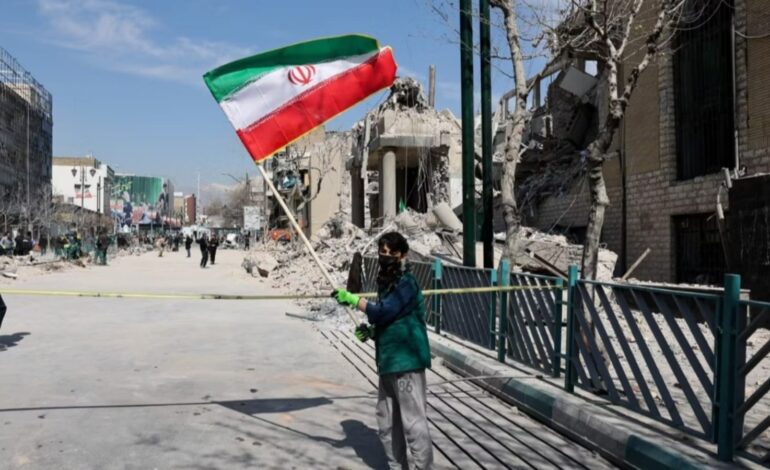

Iran has declared that diplomacy with the United States is no longer an option as the conflict involving Iran, the United States and Israel continues to escalate across the Middle East. Iranian officials say the war has reached a stage where negotiations are no longer possible, marking a major shift in Tehran’s approach to the crisis.
The announcement comes during a period of intense military activity across the region. Missile alerts were issued in the United Arab Emirates, drones were intercepted in Saudi Arabia and attacks were reported across Iraq and other parts of the Middle East.
These developments highlight the expanding scale of the conflict and its growing impact on regional security, diplomacy and global stability. Analysts warn that the situation could reshape the geopolitical landscape of the Middle East if tensions continue to rise.
Iran Declares War an Existential Fight
Kamal Kharazi, a senior adviser to Iran’s supreme leader, stated that Tehran believes it must continue fighting until the United States and its allies halt their military campaign.
In an interview with international media, Kharazi said Iran no longer sees any room for diplomatic engagement with Washington.
According to him, the trust required for negotiations has collapsed following recent military actions against Iran.
He also stated that Iran believes the conflict could continue for an extended period if necessary.
Iranian officials say they are prepared for a prolonged confrontation if the current military campaign continues.
Iranian Foreign Minister Rejects Future Talks
Iran’s Foreign Minister Abbas Araghchi has reinforced Tehran’s position that diplomatic talks with the United States are no longer being considered.
Speaking during a media interview, Araghchi said Iran had a “bitter experience” with previous negotiations and no longer believes talks with Washington would produce meaningful results.
He criticised the timing of recent military strikes, noting that they occurred while negotiations were still ongoing earlier this year.
According to Araghchi, Iran believes Washington initially expected a quick military victory and possibly regime change in Tehran.
However, Iranian officials claim those expectations have not materialised.
Araghchi suggested that both sides are now reassessing their strategies as the conflict continues.
Missile Alerts and Regional Security Concerns
While diplomatic tensions intensified, security incidents continued across the Middle East.
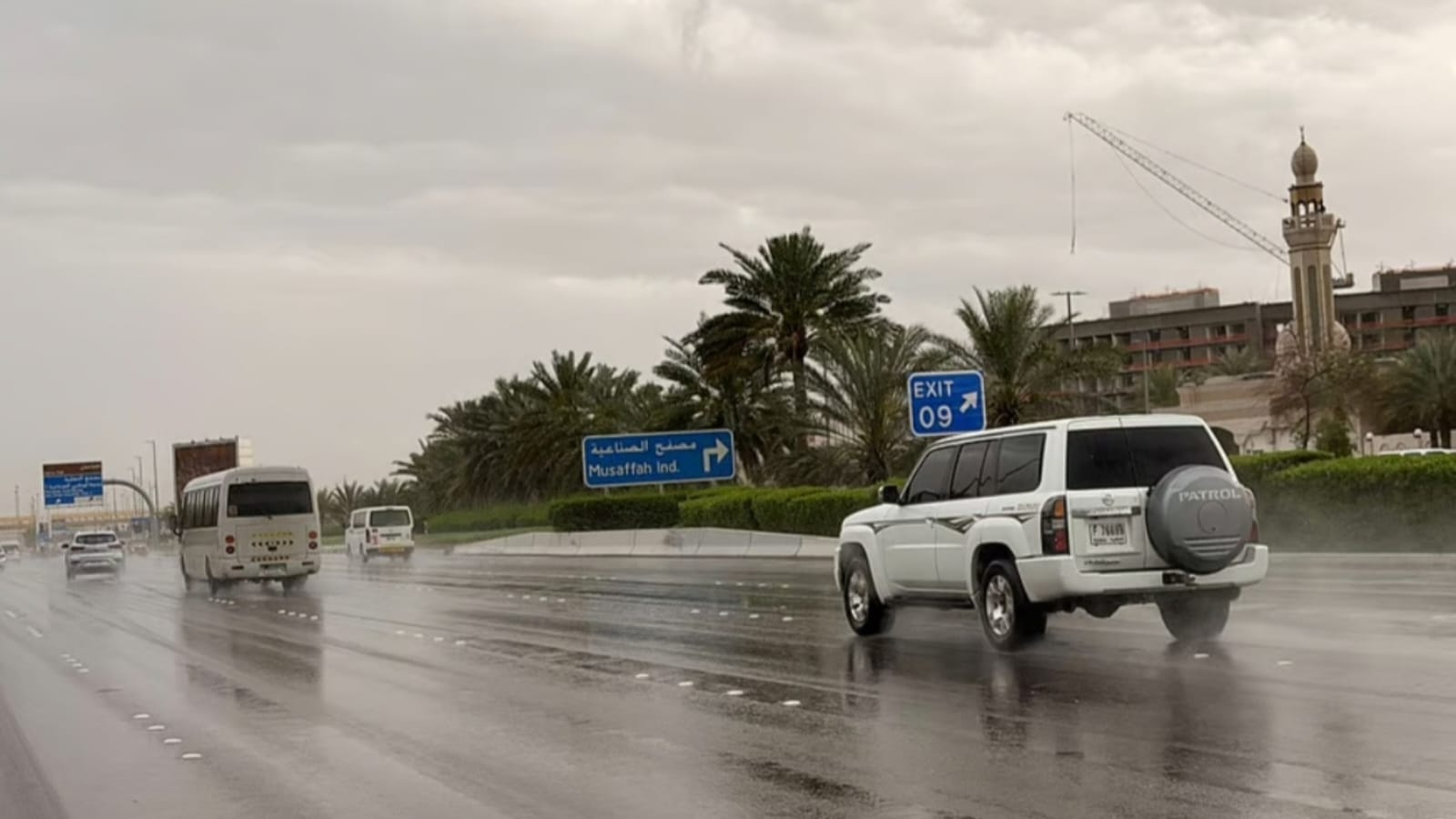
Authorities in Abu Dhabi and Dubai issued missile alerts earlier in the day after potential threats were detected. Residents were advised to seek shelter before authorities later confirmed that the situation was safe.
Saudi Arabia also reported intercepting drones heading toward its eastern region. Air defence systems successfully neutralised the aerial threats before they could reach their targets.
These incidents demonstrate how the conflict is affecting multiple countries across the Gulf region.
Governments across the Middle East have increased security measures and activated defence systems to protect critical infrastructure and civilian populations.
Iran Threatens to Block Oil Exports
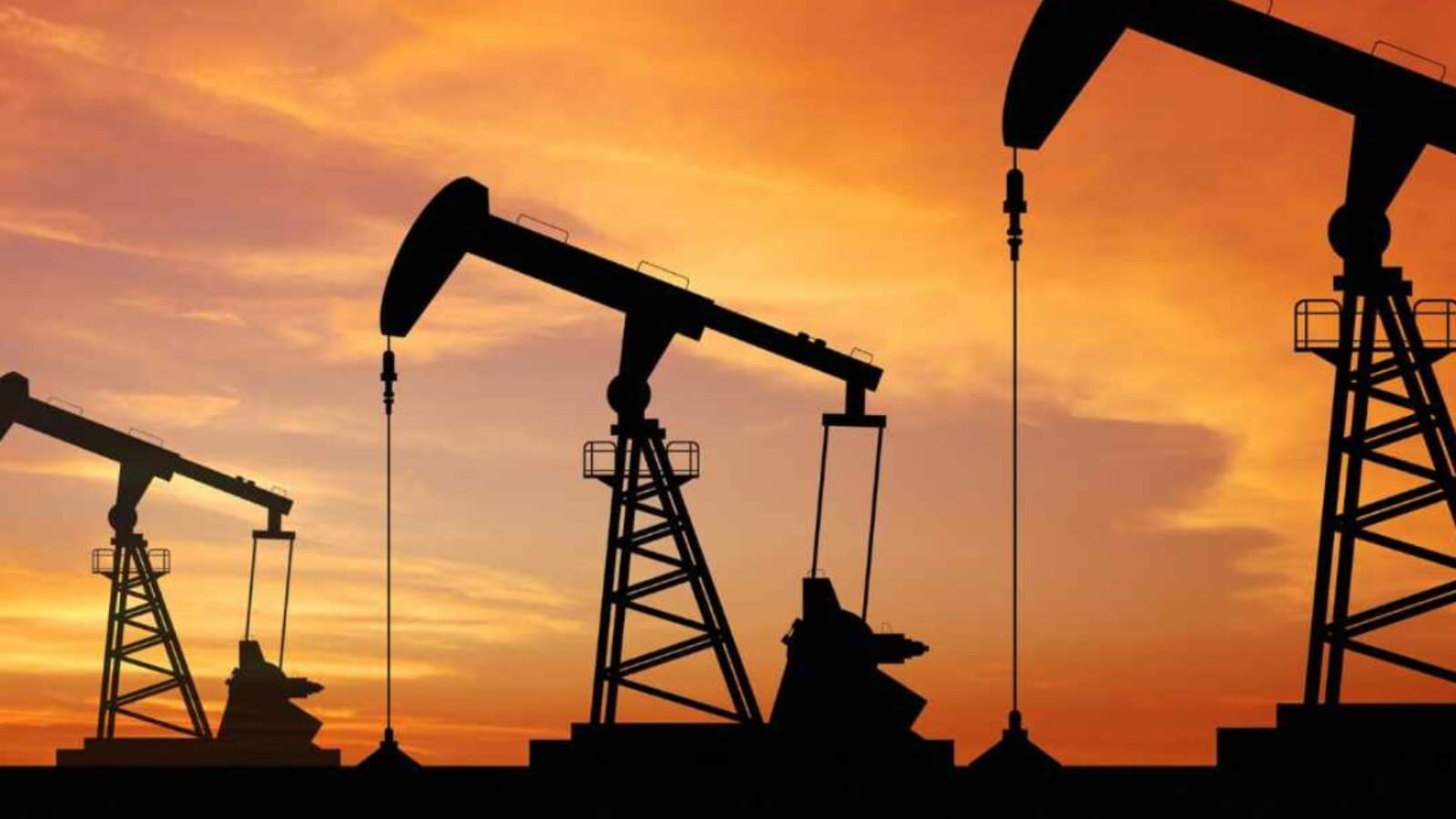
Another major concern emerging from the conflict involves Iran’s warning that it may disrupt oil exports from the region.
The Islamic Revolutionary Guard Corps has stated that Iran will not allow “one litre of oil” to leave the Middle East if military attacks against the country continue.
Such a move could have major consequences for the global economy.
The Strait of Hormuz, located between Iran and several Gulf states, is one of the world’s most important energy shipping routes.
A significant portion of global oil exports passes through this narrow waterway every day.
Any disruption to shipping through the strait could cause major increases in oil prices and create economic instability worldwide.
Energy markets closely monitor developments in this region because of its critical importance to global supply chains.
Fighting Expands Across Iraq and Lebanon
The conflict has already spread beyond Iran’s borders and now affects several countries in the region.
In Iraq, attacks were reported on militia bases linked to pro-Iran groups near the city of Kirkuk. The strikes reportedly caused casualties and damage to military infrastructure.
Militia groups operating under the banner of the Islamic Resistance in Iraq have claimed responsibility for launching multiple drone and missile attacks against enemy bases in the region.
Meanwhile, tensions have intensified in Lebanon as clashes between Israeli forces and the Iran backed group Hezbollah continue along the border.
Lebanese President Joseph Aoun has called for internationally mediated negotiations to stop the fighting and prevent further escalation.
The ongoing violence has caused significant casualties and displacement across several parts of the region.
Cyber Warfare Adds New Dimension to Conflict
The conflict is not limited to conventional military operations. Cyber warfare has become an increasingly important aspect of modern geopolitical tensions.
Officials in Washington have warned that cyber attacks linked to Iran could increase as the conflict continues.
US national cyber director Sean Cairncross said the United States would respond strongly to any digital attacks targeting critical infrastructure.
Cybersecurity experts warn that modern conflicts increasingly involve attacks on government networks, financial systems and energy infrastructure.
Such cyber operations can disrupt communication systems, financial markets and power grids.
Experts say cyber warfare allows countries to target adversaries without direct military confrontation.
Leadership Transition in Iran
Amid the escalating conflict, Iran is also experiencing a major political transition.
Following the death of longtime supreme leader Ali Khamenei, the country’s Assembly of Experts selected Mojtaba Khamenei as the new supreme leader.
The leadership change comes at a highly sensitive moment for the country.
Public demonstrations in Tehran have shown supporters gathering in major squares to express support for the new leadership.
However, analysts say the transition presents significant challenges.
The new leadership must manage internal political pressures while navigating an escalating regional conflict.
How Iran’s new leadership handles the crisis could influence the country’s future strategy.
Diplomatic Efforts Continue Despite Iran’s Position
Despite Iran’s declaration that diplomacy is no longer possible, several countries continue efforts to mediate the crisis.
Global powers including Russia, China and France have reportedly contacted Iranian officials regarding potential ceasefire discussions.
Regional leaders have also called for restraint.
Turkey’s president Recep Tayyip Erdogan has urged diplomatic solutions during conversations with Iranian officials.
Meanwhile, Oman’s Sultan Haitham bin Tariq has congratulated Iran’s new supreme leader while continuing Oman’s traditional role as a mediator between Tehran and Washington.
However, analysts warn that diplomatic progress may become increasingly difficult as military operations intensify.
Middle East Conflict Enters Critical Phase
The conflict involving Iran, the United States and Israel has pushed the Middle East into one of its most volatile periods in recent decades.
With Tehran declaring that diplomacy is no longer an option, tensions have reached a dangerous level.
Missile alerts in Gulf countries, drone interceptions in Saudi Arabia and clashes in Iraq and Lebanon demonstrate how rapidly the conflict is expanding across the region.
Governments worldwide are closely monitoring the situation due to the potential consequences for global energy markets and international security.
The coming weeks may prove critical in determining whether the crisis escalates further or moves toward negotiations.
For now, the Middle East remains on edge as the conflict continues to evolve.