Iran Urges US to Choose Diplomacy Over Confrontation After Talks
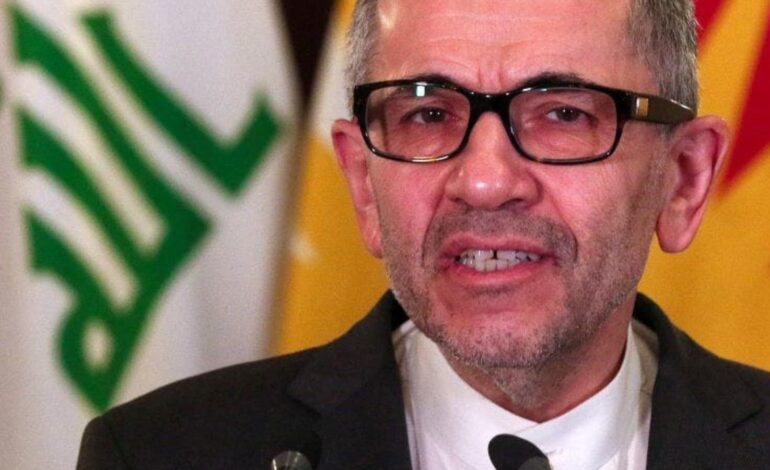

Tensions between Washington and Tehran remain elevated following the latest round of nuclear negotiations, with Iran’s Foreign Minister warning that the United States must decide between “dialogue and confrontation.” The remarks came after intensive talks in Geneva that both sides described as constructive but ultimately inconclusive.
The latest developments underscore the fragile state of US-Iran relations, where cautious diplomacy continues alongside military signalling and deep mutual mistrust. While negotiations remain active, the risk of escalation in the Middle East continues to concern global markets, energy traders and regional policymakers.
This evolving diplomatic standoff has significant implications not only for nuclear non-proliferation but also for oil prices, Gulf security and broader Indo-Pacific strategic calculations.
Iran’s Message After Geneva Talks
Iranian Foreign Minister Abbas Araghchi delivered a pointed message following the Geneva discussions, stating that Washington now faces a clear strategic choice.
According to Iranian state media, Araghchi said the United States must choose either the path of dialogue or the path of confrontation and tension. The warning reflects Tehran’s growing frustration with what it perceives as mixed signals from Washington — diplomatic engagement on one hand and continued pressure on the other.
Despite the firm tone, Iranian officials emphasised that diplomacy remains their preferred route if the United States demonstrates what they describe as genuine commitment to negotiations.
The statement appears carefully calibrated: signalling resolve domestically while keeping the diplomatic door open internationally.
Geneva Talks: Progress Without Breakthrough
The latest round of discussions in Geneva was widely viewed as cautiously positive but fell short of producing a concrete agreement.
Key developments from the talks:
-
Both sides described the discussions as constructive
-
Iran reportedly indicated willingness to pause some nuclear enrichment activities
-
Technical-level discussions are scheduled to continue in Vienna
-
Major political disagreements remain unresolved
Mediators involved in the process suggested that while momentum exists, the negotiations have now entered a more technically complex phase where progress is likely to be incremental rather than dramatic.
The talks form part of broader efforts to either revive or reshape constraints on Iran’s nuclear programme while reducing the risk of military escalation in the region.
Risk of Conflict Still Looms
Even as diplomatic engagement continues, the geopolitical backdrop remains tense.
Iranian officials have warned that the danger of conflict persists, particularly as rhetoric between the two sides hardens. Tehran continues to frame its nuclear programme as peaceful while accusing Washington of maintaining coercive pressure.
Meanwhile, US officials have attempted to calm fears of a major regional war. One senior American figure recently stated there was “no chance” that any potential strike scenario would lead to a prolonged Middle East conflict.
This contrast in messaging highlights the delicate balance currently defining US-Iran relations — a mix of negotiation, deterrence and strategic signalling.
For regional observers, the situation remains highly fluid.
Core Issues Dividing Washington and Tehran
Despite the cautiously positive tone of the Geneva talks, several fundamental disagreements continue to block a comprehensive agreement.
1. Uranium Enrichment
Iran maintains that it has the sovereign right to enrich uranium for peaceful civilian purposes under international law. Tehran has consistently rejected demands to fully halt enrichment activities.
Washington and its allies, however, remain concerned that high-level enrichment could shorten Iran’s theoretical pathway to nuclear weapons capability.
This remains the central technical dispute in the negotiations.
2. Sanctions Relief
Sanctions relief is one of Tehran’s top priorities.
Iranian officials argue that meaningful economic relief must be part of any agreement, particularly given the significant impact US sanctions have had on:
-
Oil exports
-
Banking access
-
Foreign investment
-
Currency stability
Washington has historically preferred phased or conditional sanctions relief tied to verified nuclear compliance, creating a sequencing dispute between the two sides.
3. Nuclear Safeguards and Verification
The United States and European partners are seeking stronger verification mechanisms to ensure Iran cannot develop nuclear weapons capability in the future.
Key concerns include:
-
International Atomic Energy Agency (IAEA) access
-
Monitoring of enrichment facilities
-
Transparency around advanced centrifuges
-
Long-term compliance guarantees
Iran, while open to monitoring within limits, has pushed back against what it views as excessive or politically motivated oversight.
4. Missile Programme and Regional Policies
Washington has also raised concerns about Iran’s ballistic missile programme and its regional activities across the Middle East.
Tehran has repeatedly resisted linking these issues to nuclear negotiations, insisting the talks should remain strictly focused on nuclear matters.
This disagreement continues to complicate efforts to reach a comprehensive framework.
Diplomatic Window Still Open
Despite the sharp rhetoric, both sides continue to signal interest in avoiding direct military confrontation.
Iranian officials have described the current moment as a potential historic opportunity if diplomacy is prioritised. The United States has similarly kept indirect negotiation channels open.
Role of Mediators
Regional mediators — particularly Oman — have played a crucial role in maintaining communication between Washington and Tehran. Their quiet diplomacy has helped sustain momentum during periods of heightened tension.
The upcoming technical discussions in Vienna are expected to be a key test of whether recent progress can translate into tangible outcomes.
Why the Stakes Are So High
The outcome of US-Iran nuclear negotiations carries far-reaching implications across multiple domains.
Major areas affected include:
-
Middle East security architecture
-
Global oil market stability
-
Shipping routes, especially the Strait of Hormuz
-
Regional proxy dynamics
-
International nuclear non-proliferation efforts
-
Defence spending across the Gulf
Even limited escalation could quickly ripple through global energy markets and financial risk indicators.
Conversely, a credible diplomatic breakthrough could ease geopolitical risk premiums and stabilise regional sentiment.
Market and Energy Implications
Investors and policymakers are closely monitoring the trajectory of US-Iran relations due to their historical influence on oil prices and Gulf stability.
Recent market sensitivities include:
-
Elevated geopolitical risk premiums
-
Increased oil price volatility
-
Heightened naval and military monitoring in the Gulf
-
Greater hedging activity among energy traders
-
Rising insurance costs for regional shipping
For Gulf economies, the direction of US-Iran diplomacy remains one of the most important external risk variables.
Energy markets, in particular, tend to react quickly to any signs of escalation around Iran or the Strait of Hormuz.
Strategic Calculations on Both Sides
The current negotiating posture reflects careful strategic calculations in both Washington and Tehran.
Iran’s Position
Iran appears to be pursuing a dual-track approach:
-
Maintain nuclear leverage
-
Keep diplomatic channels open
-
Push for meaningful sanctions relief
-
Avoid triggering unified international pressure
Tehran’s messaging suggests it wants economic breathing room without appearing domestically weak.
United States’ Position
Washington is balancing multiple priorities:
-
Prevent nuclear weaponisation
-
Maintain regional deterrence
-
Avoid another Middle East conflict
-
Reassure Gulf and Israeli partners
-
Manage global energy stability
This balancing act partly explains the mixed signals that Iranian officials have criticised.
What Happens Next in the Nuclear Talks
The diplomatic process is expected to proceed in phases rather than through a single breakthrough moment.
Key upcoming milestones:
-
Technical-level talks in Vienna
-
Further indirect negotiations
-
Possible confidence-building measures
-
Continued mediator engagement
-
Potential phased agreements
However, analysts caution that progress is likely to remain uneven given the deep mistrust between both sides.
Outlook: Fragile but Active Diplomacy
The latest round of talks demonstrates that US-Iran diplomacy is still alive — but fragile.
Tehran’s warning that Washington must choose between dialogue and confrontation highlights the high-stakes nature of the negotiations. At the same time, neither side currently appears eager for direct military escalation.
Instead, the situation reflects a familiar pattern in US-Iran relations: cautious engagement underpinned by strategic rivalry.
Key trends to watch:
-
Tone of upcoming Vienna technical talks
-
Any pause or adjustment in enrichment levels
-
Signals on sanctions flexibility
-
Regional military posturing
-
Oil market reactions
The latest Geneva talks have kept diplomatic momentum alive but stopped short of delivering a breakthrough in US-Iran nuclear negotiations. Iran’s pointed message that Washington must choose between dialogue and confrontation underscores the delicate and high-stakes environment surrounding the talks.
For now, both sides appear committed to keeping negotiations alive while maintaining strategic pressure. The coming weeks — particularly the technical discussions in Vienna — will be critical in determining whether the current trajectory leads toward de-escalation or renewed tension.
Given the profound implications for Middle East stability, global energy markets and nuclear non-proliferation, the world will be watching closely as the next phase of US-Iran diplomacy unfolds.