
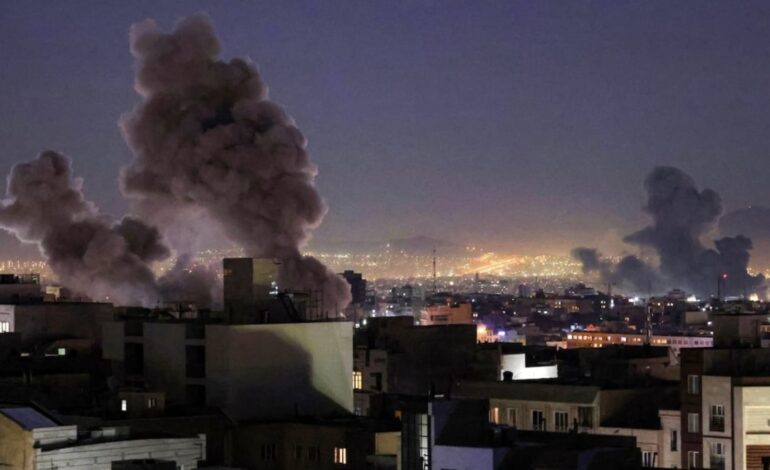

A rapidly escalating conflict involving the United States, Israel and Iran is unfolding across the Middle East, with direct and indirect consequences for Gulf states including the United Arab Emirates (UAE). What began as coordinated US–Israeli strikes on Iranian military infrastructure has evolved into a cycle of retaliation, missile interceptions, civilian casualties and heightened security measures across multiple countries.
As tensions intensify, the UAE has activated defence systems, strengthened emergency protocols and monitored airspace activity closely. The situation remains fluid, with military actions, diplomatic responses and economic repercussions developing in real time.
This in-depth analysis explains what is happening, how the UAE is affected, the regional security implications, and what may come next in this volatile geopolitical crisis.
Operation Lion’s Roar: The Initial Strikes on Iran
The escalation began with coordinated US–Israeli military strikes on Iranian targets, reportedly code-named Operation Lion’s Roar. According to official statements, the strikes targeted:
-
Iranian military command centres
-
Air defence systems
-
Strategic weapons infrastructure
-
Key leadership compounds
The stated objective was to weaken Iran’s regional military capabilities and neutralise perceived threats linked to missile and drone development.
The strikes triggered immediate retaliation from Iran, widening the conflict beyond its original scope.
Iranian Retaliation: Missile and Drone Barrages
In response, Iranian forces including units associated with the Islamic Revolutionary Guard Corps launched ballistic missiles and drones toward regional targets, including Gulf states perceived as aligned with US operations.
UAE Impact
Reports indicate that projectiles were directed toward areas in and around Abu Dhabi and Dubai. The UAE’s air defence systems intercepted the majority of incoming threats.
According to defence updates:
-
Several incoming missiles and drones were successfully neutralised
-
Emergency alerts were activated
-
Limited casualties occurred, including reported civilian deaths and injuries
-
Falling debris caused damage in select areas
This marked one of the most direct impacts of the broader conflict on UAE territory, raising concerns about further escalation.
Regional Spread of the Conflict
The confrontation has extended beyond Iran, Israel and the UAE.
-
US diplomatic facilities in Saudi Arabia reported heightened security alerts.
-
Military installations in Bahrain and Kuwait reportedly faced drone threats.
-
Gulf capitals issued public advisories and raised defence readiness levels.
The breadth of these developments underscores how quickly a bilateral military exchange can transform into a regional security crisis.
Strategically vital waterways such as the Strait of Hormuz have also been placed under intensified monitoring due to concerns about shipping disruptions.
UAE Security Response and Emergency Measures
In response to heightened risk, UAE authorities implemented precautionary measures designed to safeguard residents and infrastructure.
Key Actions Taken:
-
Activation of air defence systems on high alert
-
Emergency alerts issued through official channels
-
Temporary airspace restrictions
-
Coordination between federal and local crisis management authorities
-
Monitoring of critical infrastructure
Schools and some workplaces shifted temporarily to remote operations during peak threat periods, demonstrating precautionary planning without causing widespread panic.
Authorities have repeatedly urged residents to rely only on verified government communications and avoid spreading unconfirmed reports.
Civilian Casualties and Infrastructure Damage
Civilian harm has been reported across multiple countries involved in the conflict.
In the UAE:
-
Several fatalities were reported following Iranian strikes
-
Dozens of individuals sustained injuries
-
Structural damage occurred in certain urban areas due to intercepted missile debris
In Iran:
-
Hundreds reportedly killed following US–Israeli strikes
-
Senior military figures among casualties
-
Infrastructure damage to defence facilities
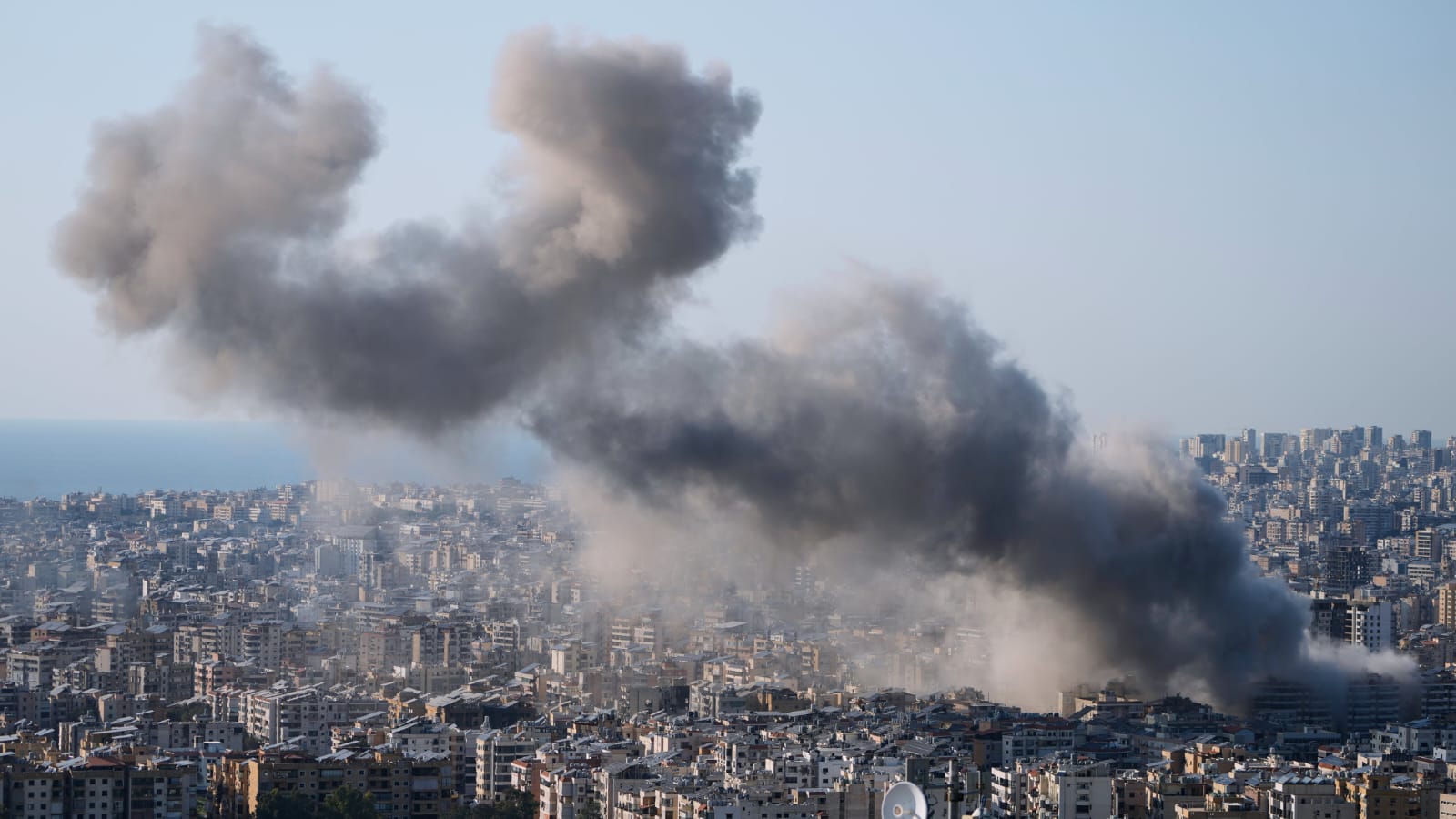
Elsewhere in the region, spillover effects have impacted civilian areas in Lebanon, Bahrain, Kuwait and Saudi Arabia.
The human cost underscores the escalating risks of prolonged military engagement.
Global Diplomatic Reactions
The crisis has drawn urgent international responses.
The United Nations and its United Nations Security Council have called for de-escalation and diplomatic dialogue.
Several governments have:
-
Evacuated non-essential diplomatic staff
-
Issued travel advisories
-
Condemned attacks perceived as violations of sovereignty
-
Reaffirmed support for affected allies
Global powers including the European Union, Russia and China have urged restraint, though positions vary regarding responsibility and strategic alignment.
Energy Markets and Economic Shockwaves
The Middle East remains central to global energy supply, and the current escalation has triggered immediate market reactions.
Oil Prices Surge
Brent crude prices rose sharply following reports of missile exchanges and threats to shipping lanes. Investors remain highly sensitive to developments near the Strait of Hormuz, through which roughly one-fifth of global oil supply passes.
Shipping and Insurance Costs
Maritime insurance premiums for vessels transiting Gulf waters have increased due to perceived risk levels. Some shipping companies are reassessing routes.
Regional Stock Markets
Gulf stock markets experienced volatility, with some temporary precautionary measures taken to stabilise trading.
Security Posture of Gulf States
Gulf nations have adjusted defence frameworks in response to rising threats.
-
Enhanced radar and interception readiness
-
Increased naval patrols
-
Joint defence consultations
-
Intelligence-sharing agreements
The UAE, Saudi Arabia and Bahrain have emphasised coordination to prevent further spillover.
These measures aim to contain escalation while maintaining national stability.
Risk of Wider Regional War
Security analysts warn that continued retaliation could draw additional actors into the conflict.
Potential risks include:
-
Involvement of non-state armed groups
-
Expanded attacks on regional infrastructure
-
Cyber warfare targeting energy facilities
-
Escalation affecting global military alliances
Without diplomatic breakthroughs, the cycle of retaliation could intensify.
What Happens Next?
Several key factors will determine the trajectory of the crisis:
1. Iranian Strategy
Will Iran continue direct strikes on Gulf states or shift to indirect tactics?
2. US and Israeli Objectives
How long will military operations continue, and what constitutes mission completion?
3. Diplomatic Engagement
Are backchannel negotiations underway to prevent broader war?
4. Global Power Involvement
How will Russia, China and the European Union influence mediation efforts?
5. Public and Political Pressure
Domestic responses within involved countries could shape decision-making timelines.
Statements from Israeli and US leaders suggest military objectives may extend for weeks, though diplomatic efforts are reportedly ongoing behind the scenes.
Impact on UAE Residents and Daily Life
For residents of the UAE, the crisis has introduced:
-
Heightened security awareness
-
Temporary air travel disruptions
-
Increased emergency preparedness communications
-
Greater monitoring of public spaces
Despite these measures, daily life continues largely uninterrupted, reflecting strong institutional readiness.
Authorities emphasise calm, vigilance and reliance on official communication channels.
The live escalation between the United States, Israel and Iran has evolved into one of the most serious Middle East crises in recent years. With Iranian missile and drone strikes reaching Gulf states including the UAE, the conflict is no longer geographically contained.
Beyond immediate security concerns, the crisis carries profound implications for global energy markets, international law, regional alliances and civilian safety.
The coming days will prove critical in determining whether diplomacy prevails or military escalation deepens. For now, the UAE remains on high alert, balancing defensive readiness with efforts to preserve stability in an increasingly volatile regional environment.





4 Comments
[…] regional security, global energy markets and international diplomacy all at stake, the coming weeks will be crucial […]
[…] did not reveal the exact location where the evacuation flight departed from. Officials cited security concerns and operational considerations as the reason for withholding specific […]
[…] incident highlights growing security concerns in the Middle East as regional tensions continue to […]
[…] Tehran intensifies. Speaking during remarks at the White House, Trump claimed that coordinated strikes by US and Israeli forces have already caused major damage to Iran’s naval assets, air defence systems, missile […]
Comments are closed.